

 Preview
 Send
Send Share
Share
 Details

 Download
 Similars
 X-Ray
X-Ray Diaporama
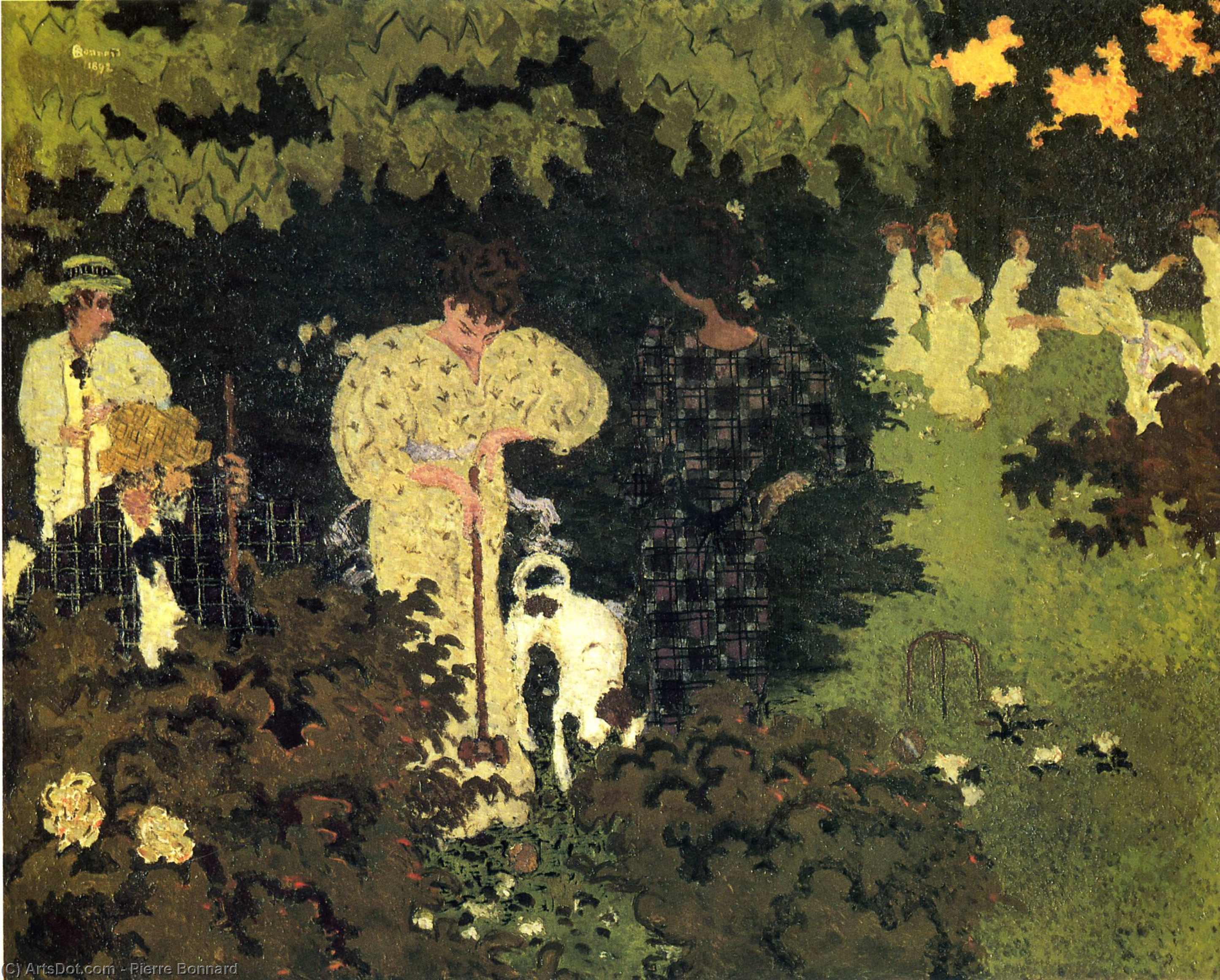
Dusk, or A Round of Croquet
 Acrylic
- WallArt
- Japonistic Impressionism
 1892
1892 162.0 x 130.0 cm
 Read More
Purchase a high-resolution, enhanced digital image, far superior to the online preview.
Each file is meticulously prepared by our in-house specialists using advanced tools and expert manual retouching. We ensure every image has exceptional clarity, precise color accuracy, and fine detail.
The final file is delivered via email within 72 hours, optimized for immediate use in professional, editorial, and print environments. This is the same quality trusted by top-tier design studios, publishers, and galleries.
Digital Image
Download a high-resolution file for personal display, printing, and creative projects. ( Buy Print Buy Hand Made Painting)
Included in Every Digital Image Order
Expert Digital Delivery, Guaranteed
When you choose ArtsDot.com, you're not just getting an image - you're receiving a professionally enhanced digital artwork, crafted with precision and backed by a satisfaction guarantee. Here's everything that comes with your order, automatically:

Fast Email Delivery
Your high-resolution digital image file will be emailed to you within 72 hours of ordering - ready for immediate use.

AI-Enhanced Digital File
Your artwork is professionally optimized using advanced AI tools and manual editing, ensuring maximum detail, clarity, and color accuracy.

Free Lifetime Re-Delivery
Accidentally deleted or lost your file? No worries - we'll resend it to you anytime, free of charge.

No Import Fees - Ever
Enjoy your artwork instantly with zero customs, duties, or delivery fees - digital downloads are always tax-free.

Color Accuracy Guarantee
We ensure your digital image reflects the original colors as closely as possible using professional tools and color management.

60-Day Satisfaction Guarantee
If you're not satisfied with your digital image, we'll revise it or refund 100% within 60 days - no questions asked.

100% Money-Back Guarantee
Not satisfied? Get a full refund within 60 days of receiving your digital file - no questions asked.

Bulk Order Discounts
Buy 3 images, save 10% - Buy 5, save 15% - Buy 10+, save 20%. Great for creative projects, galleries, and agencies.
Collectible Description
A Moment Frozen in Pastel Light
Pierre Bonnard’s “Dusk, or A Round of Croquet,” painted in 1892, captures a deceptively simple tableau—a leisurely afternoon game of croquet enjoyed by friends in a sun-drenched garden. Yet, beneath the surface tranquility lies a profound exploration of color and perception that firmly establishes Bonnard as a pivotal figure within the burgeoning Japonisme movement.
- Subject Matter: The painting depicts an idyllic domestic scene—a group of individuals engaged in croquet amidst lush greenery. Bonnard eschews grand narratives, focusing instead on capturing fleeting moments of everyday life and human connection.
- Style & Technique: Bonnard’s distinctive style is characterized by flattened perspectives and a deliberate rejection of academic realism. He employs a technique known as cloisonné painting—a method borrowed from Japanese prints—which divides the canvas into distinct planes of color, creating an illusionistic depth that prioritizes tonal harmony over precise detail.
- Historical Context: Bonnard’s work emerged during a period of significant artistic experimentation in Paris. The Nabis group, to which he belonged, actively challenged prevailing artistic conventions and sought inspiration from Japanese art, particularly woodblock prints (ukiyo-e). This influence is palpable in the muted palette and simplified forms of “Dusk,” reflecting the aesthetic ideals of the time.
The Language of Color: Japonisme’s Influence
The pervasive use of pastel hues—particularly yellows, oranges, and blues—is central to Bonnard's artistic vision. These colors aren’t merely decorative; they represent a conscious effort to distill visual experience into its purest form. Bonnard meticulously observed how light interacts with surfaces, translating these observations onto canvas with remarkable accuracy. The careful layering of tones contributes to the painting’s ethereal quality, conveying a sense of warmth and intimacy.
- Color Palette: Bonnard's palette is deliberately restrained, favoring subtle gradations rather than bold contrasts. This approach aligns perfectly with the principles of Japonisme, where artists sought to capture the essence of nature through simplified color schemes.
- cloisonné Painting Technique: Bonnard’s technique—the cloisonné method—further enhances the painting's visual impact. By dividing the canvas into distinct planes of color, he creates a sense of spatial depth that is both convincing and emotionally resonant.
Symbolism Beyond Surface Beauty
"Dusk, or A Round of Croquet" transcends its seemingly casual subject matter to explore deeper themes related to perception and memory. Bonnard’s depiction of the garden—complete with trees, bushes, and a fence—suggests a retreat from urban life into the restorative embrace of nature. The presence of a dog and a cat adds an element of domestic tranquility, reinforcing the painting's comforting atmosphere.
- Garden Motif: Bonnard frequently employed garden imagery in his work, symbolizing serenity and contemplation.
- Domestic Tranquility: The inclusion of animals—the dog and cat—contributes to the painting’s overall mood of peaceful companionship.
Emotional Resonance
Ultimately, “Dusk, or A Round of Croquet” succeeds in conveying a profound sense of emotion—a quiet joy derived from shared experience and an appreciation for the beauty of everyday life. Bonnard's masterful manipulation of color and form captures not just what is seen but how it feels to be present in that moment. It’s a painting that invites contemplation, prompting viewers to consider the significance of seemingly insignificant details within the larger context of human existence.
Related Artworks

Artist Biography
A Life Bathed in Light: The World of Pierre Bonnard
Pierre Bonnard, born in 1867 in the Parisian suburb of Fontenay-aux-Roses, wasn’t destined for a life steeped in artistic expression. His father, a high-ranking official in the French Ministry of War, envisioned a legal career for his son. Young Pierre dutifully pursued law studies, earning his license in 1888, but his heart lay elsewhere—in the captivating world of color and form. This duality, this tension between expectation and passion, would subtly inform his artistic journey, lending a unique intimacy to his work. He initially dabbled in caricature, honing an observational skill that would later blossom into exquisitely rendered domestic scenes. However, it was at the Académie Julian where Bonnard truly found his path, encountering kindred spirits who shared his burgeoning rejection of academic conventions and embraced the avant-garde spirit sweeping through Paris. This encounter led him to the Nabis, a group of artists—including Maurice Denis, Paul Sérusier, and Édouard Vuillard—who sought to infuse art with spirituality and symbolism, moving beyond mere representation towards an exploration of inner experience.The Nabi Years and the Cultivation of Intimacy
Bonnard’s association with the Nabis proved pivotal. The group's emphasis on flattened forms, bold color palettes, and a rejection of traditional perspective resonated deeply with his artistic sensibilities. Inspired by Japanese prints—their elegant lines and harmonious compositions—and the Symbolist movement’s exploration of subjective emotion, Bonnard began to develop his signature style. He wasn’t interested in grand narratives or historical allegories; instead, he turned inward, focusing on the quiet moments of everyday life: a woman bathing, a family gathered for dinner, a sun-drenched garden. These weren't merely depictions of scenes but distillations of feeling—evocations of memory and atmosphere. This focus on intimate domesticity earned him the label “Intimist,” a term that perfectly captures the emotional resonance of his work. His paintings aren’t about *what* is depicted, but *how* it feels to be present in those moments. He worked from memory, sketching extensively and then translating those impressions onto canvas with a remarkable sensitivity to light and color.Color as Emotion: A Master Colorist
Bonnard’s mastery of color is arguably his most defining characteristic. He didn't simply *use* color; he *felt* it, allowing it to dictate the mood and atmosphere of his paintings. His palette was vibrant yet nuanced, often employing unexpected combinations that created a sense of shimmering luminosity. He famously would revisit completed canvases, subtly adjusting colors across multiple works to achieve perfect harmony—a testament to his obsessive dedication to chromatic balance. This wasn’t about realistic representation; it was about capturing the subjective experience of color, its ability to evoke emotion and memory. He moved away from direct observation, preferring instead to paint from recollection, allowing him to imbue his scenes with a dreamlike quality. His landscapes weren't simply depictions of places but emotional responses to them—filtered through the lens of personal experience.Later Life and Lasting Legacy
As Bonnard matured, his artistic focus shifted further towards the exploration of color and light. He spent increasing amounts of time in the south of France, captivated by the Mediterranean landscape and its intense luminosity. His relationship with Marthe de Meligny, his wife and lifelong muse, remained central to his life and work. She appears frequently in his paintings, often depicted bathing or engaged in everyday activities, her presence radiating a quiet grace and intimacy. In 1912, he purchased “La Roulotte” in Vernonnet, near Giverny, establishing a close friendship with Claude Monet. This proximity to the master of Impressionism further fueled Bonnard’s exploration of light and color, though he always maintained his own distinct artistic vision. He continued painting until shortly before his death in 1947, leaving behind a body of work that continues to captivate and inspire. Bonnard's influence on subsequent generations of artists is undeniable. His emphasis on subjective experience, his masterful use of color, and his celebration of the everyday have left an indelible mark on modern art. He demonstrated that beauty could be found not in grand gestures or heroic narratives, but in the quiet moments of life—bathed in light and imbued with emotion.Notable Works & Collections
- Woman in Checkered Dress (1890): An early example of his Nabi-influenced style, showcasing flattened forms and bold color combinations.
- The Dining Room (1913): A quintessential Intimist scene, capturing the warmth and intimacy of domestic life.
- Bowl of Fruit (c. 1933): Demonstrates his mastery of still life, with vibrant colors and a sense of luminous depth.
- The Almond Tree in Blossom (1947): One of his last paintings, completed just days before his death, showcasing his continued exploration of color and light.
- Musée Marmottan Monet, Paris, France
- Art Institute of Chicago
- Museum of Modern Art, New York City
- Tate Modern, London
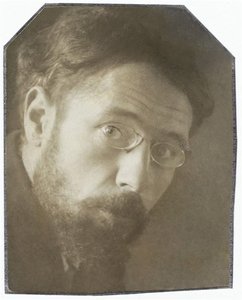
Pierre Bonnard
1867 - 1947 , France
Quick Facts
- Artistic Movement Or Style: Post-Impressionism, Intimism
- Artists Or Movements Influenced By This Artist:
- Les Nabis
- Intimism
- Artists Who Influenced This Artist:
- Paul Gauguin
- Hokusai
- Date Of Birth: October 3, 1867
- Date Of Death: January 23, 1947
- Full Name: Pierre Bonnard
- Nationality: French
- Notable Artworks:
- Woman in Checkered Dress
- The Almond Tree in Blossom
- Place Of Birth: Fontenay-aux-Roses, France

