 Preview
 Send
Send Share
Share
 Details

 Download
 Similars
 X-Ray
X-Ray Diaporama
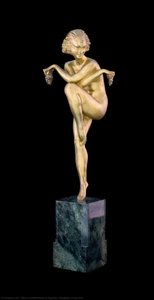
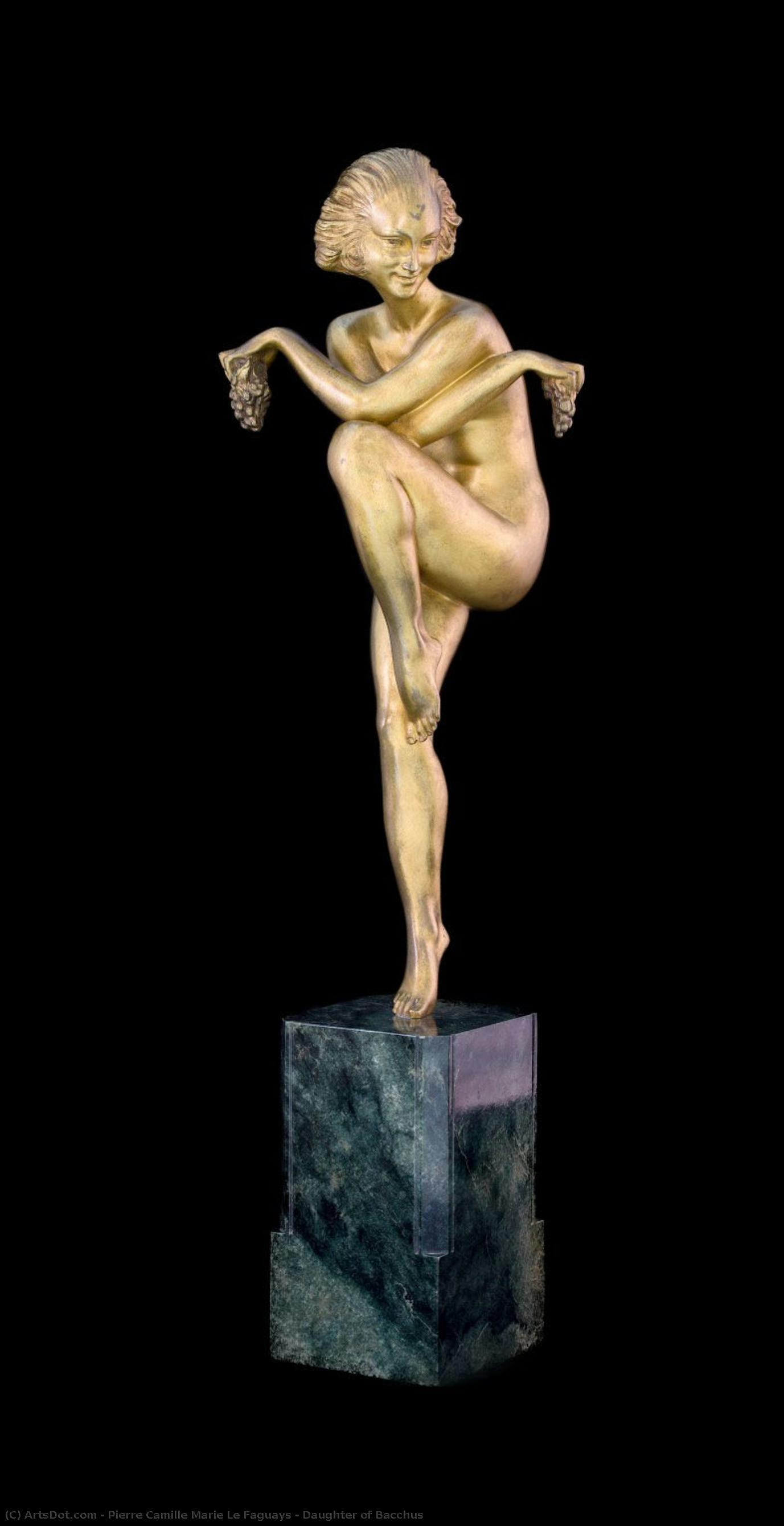
Daughter of Bacchus


 Read More
Giclée / Art Print
Museum-quality giclée or canvas print with fast production and flexible finish options. ( Buy Hand Made Painting Buy Image)




































Pick from our preset sizes that match the artwork's original proportions.

You may enter your own dimensions to fit a specific frame or space. If your selected size does not match the original image's proportions, we will either crop the artwork or extend the image with a mirrored or solid-fill edge. A digital mockup will be sent for your approval before production begins.
Please note that the on-screen preview does not reflect the actual cropping or extension. Only the mockup will accurately show the final composition.
While custom sizes are available, we recommend selecting a dimension from the predefined list to preserve the original proportions.
Worldwide Delivery () in 2 weeks instead of standard 4/5 weeks. (31 August)

Free Worldwide Express Shipping

High-Quality Linen Canvas

Full Shipping Insurance

Customs Tax Refund Guarantee

True Color Matching Guarantee

60-Day Return Policy (Defects Only)

100% Money-Back Guarantee

Bulk Discount Offer
 Glass option is only available in size under 110 CM

Daughter of Bacchus
Giclée / Art Print
Reproduction Size
-


Total Price
$ 63
Related Artworks





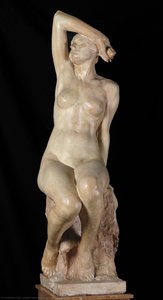
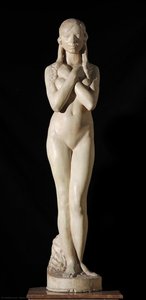
Artist Biography
Pierre Le Faguays: Sculptor of Art Deco Elegance
Pierre Camille Marie Le Faguays (1892-1962), known professionally as Pierre Le Faguays or Fayral, was a French sculptor who emerged during the vibrant Art Deco period. Born in Nantes, France, he honed his artistic skills at the Geneva University of Art and Design under the tutelage of James Vibert, establishing a foundation for his distinctive sculptural style. His personal life intertwined with that of fellow sculptor Andrée Guebre (Raymonde Guerbe), whom he married without children; Guebre served as a frequent muse for Le Faguays’ creations, reflecting the collaborative spirit characteristic of the era.- Early Influences and Training: Le Faguays’ artistic journey began with formal training at Geneva University, where he absorbed the principles of Art Nouveau and its successor, Art Deco—styles defined by geometric forms, stylized ornamentation, and a fascination with exotic materials. Vibert instilled in him an appreciation for craftsmanship and meticulous attention to detail, shaping his approach to sculpture.
- Salon Exhibitions and Recognition: His participation in prestigious salons like the Salon des Artistes Français and Salon d’automne cemented his reputation as a sculptor of considerable talent, showcasing pieces crafted from diverse mediums including bronze, terracotta, pâte de verre (glass fusing technique), stone, zinc, wood, alabaster, wrought iron, and ivory. These exhibitions provided crucial exposure for Le Faguays' work and established him within the artistic circles of his time.
Sculptural Style and Techniques
Le Faguays’ sculptures are instantly recognizable by their streamlined aesthetic—a hallmark of Art Deco—characterized by simplified shapes, smooth surfaces, and restrained ornamentation. He skillfully manipulated materials to achieve textural contrasts and visual impact, demonstrating mastery over techniques such as casting bronze and terracotta, fusing glass, carving stone, and assembling intricate constructions from zinc and wood. Notably, his work frequently incorporated alabaster and ivory, reflecting the opulent tastes of the period.- Collaborations with Foundries: Le Faguays’ sculptures benefited from partnerships with renowned foundries, including Susse Frères, Edmond Etling, Max Le Verrier, Les Neveux de Jules Lehmann, and Arthur Goldscheider. These collaborations ensured the production of high-quality pieces using advanced casting methods—a testament to his commitment to excellence.
- Notable Commissions and Reproductions: His sculptures gained widespread acclaim and were reproduced extensively during the 1960s, often bearing the signature “Favral” or “Fayral.” This prolific output ensured that Le Faguays’ artistic legacy endured beyond his lifetime, appearing in museum collections across Europe—particularly at Musée d'Orsay, Museum of Fine Arts Houston, and Casa Lis in Salamanca.
Legacy and Artistic Significance
Pierre Le Faguays stands as a significant figure within Art Deco sculpture. His work embodies the stylistic ideals of the era—a fusion of geometric abstraction and decorative embellishment—while simultaneously reflecting the humanist spirit of his time. The inclusion of Guebre’s likeness in many sculptures underscores the importance of artistic collaboration and celebrates the beauty of female form. Le Faguays' enduring presence in museum collections serves as a reminder of Art Deco’s lasting influence on visual culture, securing his place among the most celebrated sculptors of the period.- Museum Collections: Le Faguays’ sculptures are housed in prominent museums worldwide, including Musée d'Orsay (Paris), Museum of Fine Arts Houston, and Casa Lis (Salamanca). These collections offer visitors a valuable opportunity to appreciate his artistic vision and the enduring beauty of Art Deco sculpture.
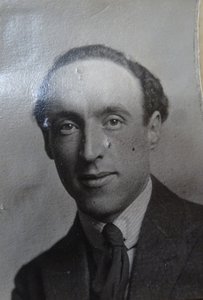
pierre camille marie le faguays
1892 - 1962 , France
Quick Facts
- Artistic Movement Or Style: Art Deco
- Artists Or Movements Influenced By This Artist: ['Art Nouveau']
- Artists Who Influenced This Artist: ['James Vibert']
- Date Of Birth: 1892 Nantes, France
- Date Of Death: 1962 Paris, France
- Full Name: Pierre Camille Marie Le Faguays
- Nationality: French
- Notable Artworks: ['Daughter of Bacchus']
- Place Of Birth: Nantes