

 Preview
 Send
Send Share
Share
 Details

 Download
 Similars
 X-Ray
X-Ray Diaporama
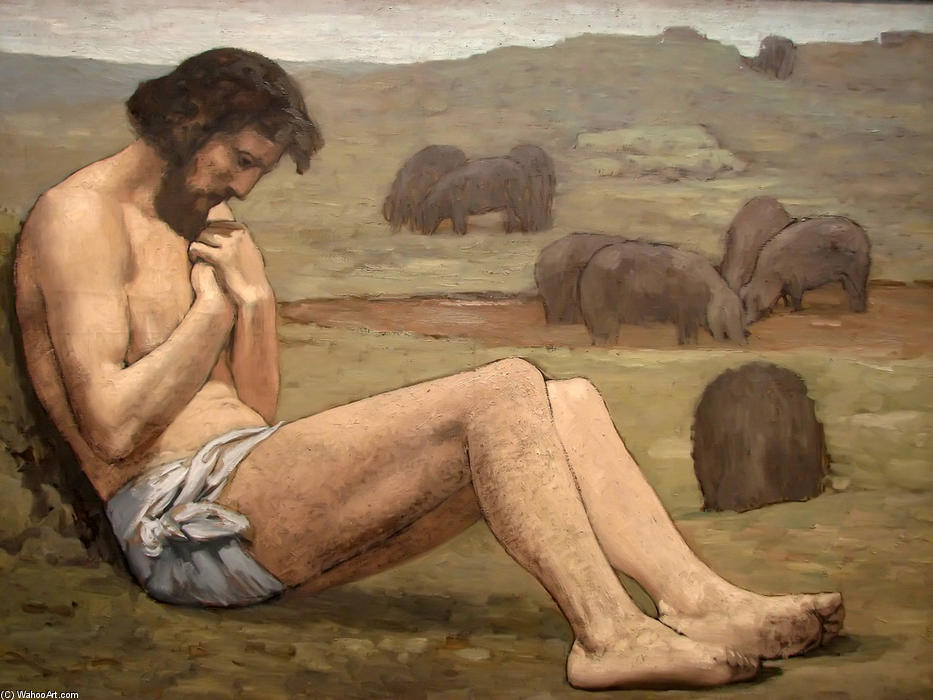
The Prodigal Son


 Read More
Purchase a high-resolution, enhanced digital image, far superior to the online preview.
Each file is meticulously prepared by our in-house specialists using advanced tools and expert manual retouching. We ensure every image has exceptional clarity, precise color accuracy, and fine detail.
The final file is delivered via email within 72 hours, optimized for immediate use in professional, editorial, and print environments. This is the same quality trusted by top-tier design studios, publishers, and galleries.
Digital Image
Download a high-resolution file for personal display, printing, and creative projects. ( Buy Print Buy Hand Made Painting)
Included in Every Digital Image Order
Expert Digital Delivery, Guaranteed
When you choose ArtsDot.com, you're not just getting an image - you're receiving a professionally enhanced digital artwork, crafted with precision and backed by a satisfaction guarantee. Here's everything that comes with your order, automatically:

Fast Email Delivery
Your high-resolution digital image file will be emailed to you within 72 hours of ordering - ready for immediate use.

AI-Enhanced Digital File
Your artwork is professionally optimized using advanced AI tools and manual editing, ensuring maximum detail, clarity, and color accuracy.

Free Lifetime Re-Delivery
Accidentally deleted or lost your file? No worries - we'll resend it to you anytime, free of charge.

No Import Fees - Ever
Enjoy your artwork instantly with zero customs, duties, or delivery fees - digital downloads are always tax-free.

Color Accuracy Guarantee
We ensure your digital image reflects the original colors as closely as possible using professional tools and color management.

60-Day Satisfaction Guarantee
If you're not satisfied with your digital image, we'll revise it or refund 100% within 60 days - no questions asked.

100% Money-Back Guarantee
Not satisfied? Get a full refund within 60 days of receiving your digital file - no questions asked.

Bulk Order Discounts
Buy 3 images, save 10% - Buy 5, save 15% - Buy 10+, save 20%. Great for creative projects, galleries, and agencies.
Collectible Description
A Vision of Redemption: Exploring Puvis de Chavannes’ “The Prodigal Son”
Pierre Cécile Puvis de Chavannes, a singular figure in the artistic landscape of late 19th century France, wasn't merely painting; he was sculpting ideas into visual form. Born in Lyon in 1824, his journey from aspiring engineer to celebrated artist exemplifies the transformative power of passion and dedication—a dedication that would ultimately define his contribution to monumental art and solidify his reputation as “the painter for France.” This distinction isn’t accidental; Puvis de Chavannes consciously sought to imbue public spaces with narratives that resonated deeply with the moral and spiritual concerns of his era, shaping the collective memory of a nation undergoing significant societal shifts. He approached painting not as an exercise in aesthetic beauty alone, but as a vehicle for conveying profound philosophical truths.The Narrative Landscape: Symbolism and Biblical Allegory
“The Prodigal Son,” completed in 1872, exemplifies Puvis de Chavannes’ distinctive style—Symbolism—a movement that prioritized emotion and psychological depth over literal representation. Unlike Impressionists preoccupied with capturing fleeting moments of light and color, Puvis delved into the realm of inner experience, translating biblical stories into evocative landscapes populated by archetypal figures. The painting depicts a solitary man seated upon the earth, his hands clasped together in contemplation—a posture instantly recognizable as representing repentance and humility. This central figure is framed against a vast expanse of grassy plain dotted with grazing animals: two elephants and three horses. These animals aren’t merely decorative elements; they serve as potent symbols of wisdom and stability, contrasting sharply with the man's vulnerability. The artist skillfully employs impasto technique—thickly applied paint—creating textured surfaces that convey both physicality and emotional intensity. This deliberate manipulation of materiality underscores Puvis de Chavannes’ belief in painting as a medium capable of communicating spiritual truths beyond mere visual perception.Historical Context: France at the Dawn of Modernity
The artistic fervor of the Second Empire, fueled by industrial progress and nationalist sentiment, provided fertile ground for Symbolism's emergence. Puvis de Chavannes responded to this climate with an unwavering commitment to portraying moral narratives—stories that explored themes of faith, redemption, and human suffering—themes particularly pertinent in a period marked by anxieties about social upheaval and the decline of traditional values. The painting’s deliberate avoidance of detailed realism aligns perfectly with Symbolism's rejection of academic conventions, prioritizing emotional resonance over technical precision. It speaks to a broader cultural preoccupation with confronting existential questions and grappling with the complexities of human experience—a legacy that continues to inspire artists today.Emotional Resonance: A Portrait of Solitude and Reflection
“The Prodigal Son” transcends its biblical subject matter to offer a timeless meditation on solitude, repentance, and acceptance. Puvis de Chavannes’ masterful use of color—muted earth tones—creates an atmosphere of quiet contemplation, inviting viewers to contemplate the profound implications of moral transformation. The man's posture embodies humility before divine grace, while the animals symbolize enduring wisdom and steadfastness. More than just illustrating a biblical tale, Puvis de Chavannes crafted a visual emblem of spiritual renewal—a testament to his belief in painting’s capacity to communicate universal human emotions and aspirations.Provenance & Legacy
The artwork's journey through history began with its creation by Puvis de Chavannes himself and continued through the estate sales of prominent collectors like Jerome Stonborough and Chester Dale, culminating in its current presence within ArtsDot.com’s impressive collection. Its enduring appeal lies not only in its artistic merit but also in its ability to provoke contemplation about fundamental questions concerning faith, morality, and the human condition—a legacy that ensures “The Prodigal Son” remains a cornerstone of Symbolist art and an inspiration for discerning collectors worldwide.Related Artworks
Artist Biography
A Life Dedicated to Monumental Visions
Pierre Cécile Puvis de Chavannes, a name often simply rendered as Puvis de Chavannes, occupies a unique and pivotal position in 19th-century French art. Born in Lyon in 1824, he rose to become known as “the painter for France,” a testament to his profound impact on public art during the early years of the Third Republic. His legacy extends far beyond mere decoration; Puvis de Chavannes crafted visual narratives that embodied national ideals and resonated with a generation grappling with political and social transformation. He wasn’t merely illustrating history, but actively shaping its visual memory for the future. His influence on subsequent artists, particularly those aligned with Symbolism and Art Nouveau, is undeniable, and his collaborative spirit extended to working alongside medallists, offering designs and insightful suggestions.From Engineering Aspirations to Artistic Devotion
The early life of Pierre-Cécile Puvis was marked by a trajectory that initially diverged from the world of art. Born into a family of modest means – his father an engineer descended from Burgundy nobility – he received an education at Amiens College and Lycée Henri IV in Paris, preparing him for a career following in his father’s footsteps. However, a serious illness proved to be a turning point, forcing a period of convalescence that allowed space for introspection and the burgeoning of artistic inclinations. A transformative journey to Italy ignited within him a passion for painting, prompting a decisive shift away from engineering and towards a life dedicated to creative expression. He embraced his ancestral heritage by incorporating “de Chavannes” into his name, a subtle assertion of identity and lineage. His formal training included brief mentorships under luminaries like Eugène Delacroix, Henri Scheffer, and Thomas Couture, yet he ultimately favored independent study, establishing a spacious studio near the Gare de Lyon that became a hub for artistic exploration. He diligently honed his understanding of anatomy through classes at the Académie des Beaux Arts, laying a solid foundation for his later monumental works.The Genesis of a Symbolist Style
Puvis de Chavannes’s artistic style is generally categorized as Symbolist, though it evolved from roots in Romanticism. His work is instantly recognizable by its simplified forms, rhythmic linear compositions, and a distinctive, muted palette reminiscent of fresco painting. He wasn't interested in photographic realism; instead, he sought to distill essence, to capture the underlying spirit of his subjects. He frequently drew inspiration from classical antiquity and idealized landscapes, weaving allegorical themes into grand narratives. His early commissions, beginning in the 1860s at the Musée de Picardie in Amiens – including *Concordia*, *Bellum*, *Le Travail* (Work), and *Le Repos* (Rest) – established his reputation for large-scale mural paintings. These weren’t simply decorative elements; they were carefully considered statements about civic virtue, labor, and the pursuit of harmony. Later, a significant series of murals commissioned for the Museum of Fine Arts in Lyon further cemented his position as a leading figure in public art. Notable works like *The Woodcutters* (1873), currently housed at the San Antonio Museum of Art, demonstrate his ability to imbue everyday scenes with symbolic weight and poetic grace. Paintings such as *Massilia, Greek Colony*, and *Sacred Grove* exemplify his characteristic style and thematic interests, showcasing nude figures within evocative landscapes that invite contemplation.A Lasting Legacy: Influence and Historical Significance
The impact of Puvis de Chavannes on the artistic landscape of France – and beyond – was profound. He is credited with influencing an entire generation of painters and sculptors, particularly those associated with Modernism. His emphasis on simplified forms, decorative patterns, and allegorical themes resonated deeply with artists seeking to break away from traditional academic constraints. Georges de Feure was among his notable protégés, benefiting directly from his guidance and mentorship. Beyond painting, Puvis actively collaborated with medallists, providing designs and suggestions that enriched their work. Émile Zola eloquently lauded his art as “an art made of reason, passion, and will,” capturing the intellectual and emotional depth inherent in his creations. His most celebrated achievement lies in his contribution to the development of public art during a period of significant political and social change in France. His murals weren’t merely aesthetic enhancements; they were intended to embody national ideals and provide visual narratives for civic spaces, fostering a sense of collective identity and shared values. The monumental murals at the Panthéon in Paris, illustrating the life of St. Geneviève, stand as enduring testaments to his skill and vision. Puvis de Chavannes remains an important figure in 19th-century French art, bridging the gap between Romanticism and Symbolism and paving the way for the artistic innovations of the modern era. His work continues to inspire awe and admiration, reminding us of the power of art to shape our understanding of history, culture, and the human condition.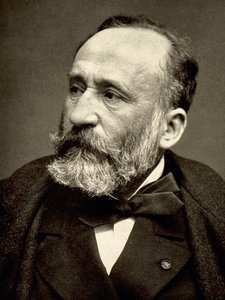
Pierre Cécile Puvis de Chavannes
1824 - 1898 , France
Quick Facts
- Artistic Movement Or Style: Symbolism
- Artists Or Movements Influenced By This Artist:
- Robert Genin
- Art Nouveau
- Modernism
- Artists Who Influenced This Artist:
- Delacroix
- Scheffer
- Couture
- Date Of Birth: December 14, 1824
- Date Of Death: 1898
- Full Name: Pierre Cécile Puvis de Chavannes
- Nationality: French
- Notable Artworks:
- The Woodcutters
- Massilia
- Sacred Grove
- Peace
- Study for Patriotism
- Place Of Birth: Lyon, France

