 Preview
 Send
Send Share
Share
 Details

 Download
 Similars
 X-Ray
X-Ray Diaporama
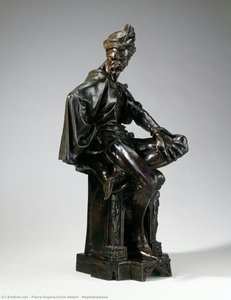
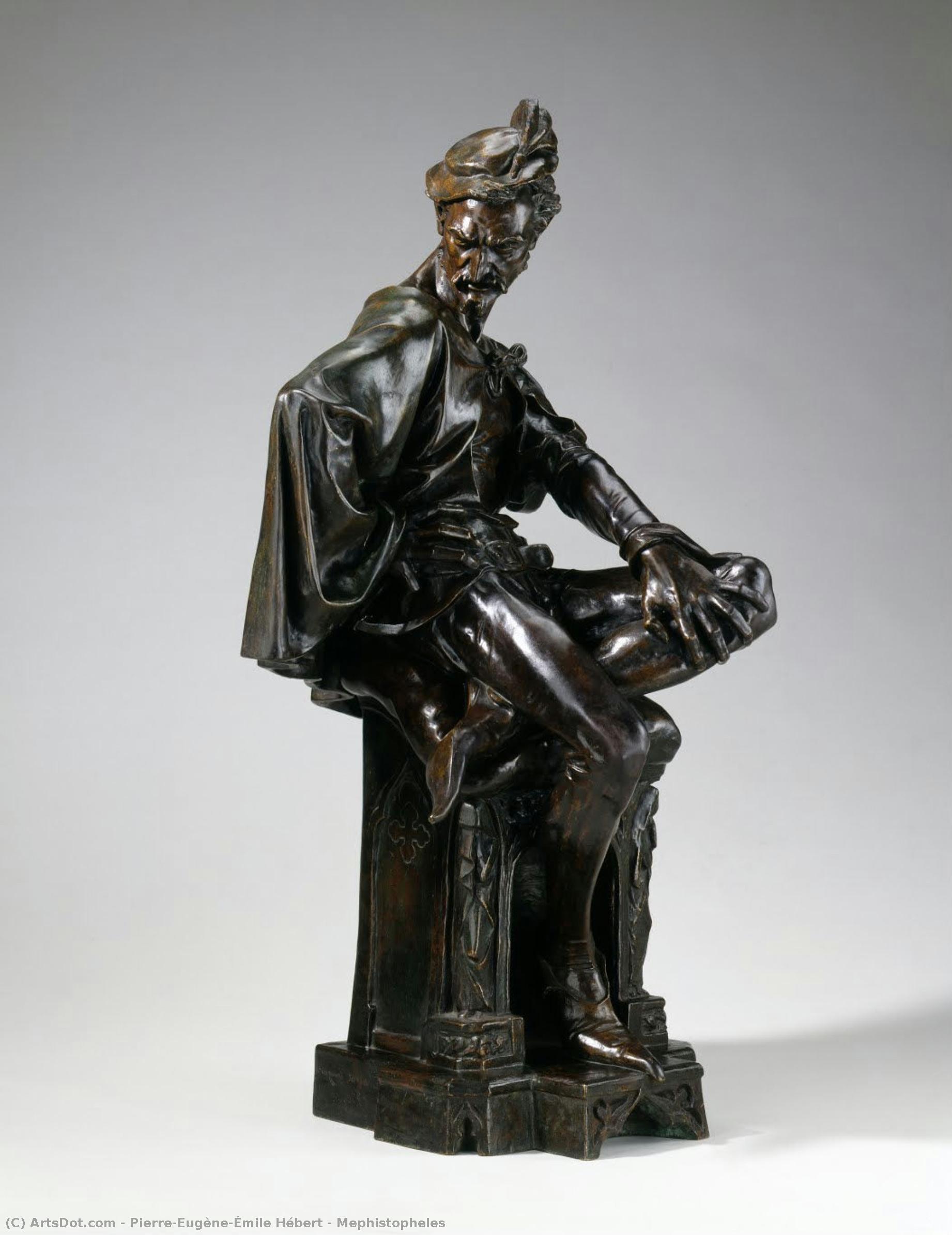
Mephistopheles


 Read More
Hand Made Oil Reproduction
Hand-painted oil on canvas in your size and frame, made to order by our artists. ( Buy Print Buy Image)




































Pick from our preset sizes that match the artwork's original proportions.

You may enter your own dimensions to fit a specific frame or space. If your selected size does not match the original image's proportions, we will either crop the artwork or extend the painting with additional hand-painted elements. A digital mockup will be sent for your approval before production begins.
Please note that the on-screen preview does not reflect the actual cropping or extension. Only the mockup will accurately show the final composition.
While custom sizes are available, we recommend selecting a dimension from the predefined list to preserve the original proportions.
After order, ArtsDot.com team will email client for instructions and provide a mockup preview
Worldwide Delivery () in 3/4 weeks instead of standard 5 weeks. (17 August). No compromise on quality.

Free Worldwide Express Shipping

High-Quality Linen Canvas

Full Shipping Insurance

Customs Tax Refund Guarantee

True Color Matching Guarantee

60-Day Return Policy (Defects Only)

100% Money-Back Guarantee

Bulk Discount Offer
 Glass option is only available in size under 110 CM

Mephistopheles
Reproduction Medium
Reproduction Size
-


Total Price
$ 263
Related Artworks
Artist Biography
Pierre-Eugène-Emile Hébert: Sculptor of Dramatic Visions
Pierre-Eugène-Emile Hébert (October 12 or 20, 1823 – 1893) emerged from the artistic milieu of Paris during a period marked by Romantic fervor and burgeoning academic tradition. Born into a family steeped in sculpture—his father, Pierre Hébert, was himself a respected artist—Émile’s formative years were shaped by exposure to groundbreaking sculptural techniques and an unwavering dedication to capturing emotion and narrative within stone. His early training under Jean-Jacques Feuchère, a fellow sculptor known for his meticulous realism, instilled in him a foundational understanding of anatomical precision and expressive modeling that would permeate his oeuvre throughout his career.- Early Life & Training: Hébert’s father's influence extended beyond mere instruction; Pierre Hébert championed the pursuit of artistic excellence and fostered an environment conducive to intellectual curiosity. This upbringing instilled in Émile a lifelong passion for sculpting and cemented his commitment to mastering the craft.
- Salon Years & Artistic Recognition: Hébert debuted at the Salon de Paris in 1855, showcasing “La Comédie” and “Le Drame”—two monumental sculptures commissioned for the Théâtre Vaudeville—demonstrating his ability to translate theatrical concepts into compelling visual representations. These works immediately established him as a significant figure within the Parisian artistic landscape and garnered critical acclaim for their dramatic intensity and masterful execution.
Notable Sculptures & Artistic Style
Émile Hébert’s sculptural style is characterized by a blend of Romantic idealism and Neo-Classical restraint, reflecting the dominant aesthetic currents of his time. He skillfully employed techniques honed during his father's tutelage—particularly meticulous anatomical modeling—to imbue his figures with palpable vitality and psychological depth. However, unlike some of his contemporaries who embraced flamboyant ornamentation, Hébert favored a more austere approach, prioritizing clarity of form and conveying emotion through subtle gestures and expressive drapery. His sculptures frequently explored themes of mythology, heroism, and human drama, often imbued with symbolic resonance.- Iconic Works: Among Hébert’s most celebrated creations are “Mephistopheles,” a brooding bronze depiction of Lucifer commissioned for Stanford University (1855), and “Et Toujours! Et Jamais!”—a haunting marble sculpture commemorating the death of Victor Hugo, housed in Toronto’s Joey and Toby Tanenbaum Collection. These pieces exemplify Hébert's ability to distill complex ideas into powerfully evocative imagery.
- Collaboration with Georges Servant: Hébert forged a fruitful partnership with Georges Servant, one of France’s foremost bronze fondeurs, resulting in sculptures that benefited from Servant’s unparalleled mastery of casting techniques—particularly the Neo-Grecian style—enhancing their visual impact and preserving them for posterity.
Monumental Commissions & Legacy
Émile Hébert achieved considerable renown through his involvement in ambitious public commissions, notably the bas-reliefs adorning the façade of La Rochelle Cathedral commemorating Admiral Duperré’s victory—a testament to his dedication to serving the artistic ambitions of his nation. His work on Alexandre Tessier Monument and Balzac Bust further solidified his reputation as a sculptor capable of capturing the essence of prominent figures in French culture. Hébert's sculptures continue to inspire admiration for their expressive power and technical virtuosity, securing his place among the most influential sculptors of the second half of the 19th century. His legacy resides not only in the enduring beauty of his artworks but also in his contribution to shaping the artistic sensibilities of a generation captivated by Romantic drama and Neo-Classical elegance.Further Exploration
For more information about Pierre Hébert’s life and work, consult Wikipedia: Pierre-Eugène-Emile Hébert. Also explore his contribution to the Musée Hébert.Pierre-Eugène-Emile Hébert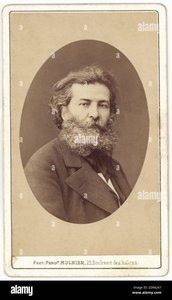
pierre-eugène-émile hébert
1823 - 1893 , France
Quick Facts
- Artistic Movement Or Style: Academic Sculpture
- Artists Or Movements Influenced By This Artist: ['Georges Servant']
- Artists Who Influenced This Artist:
- Jean-Jacques Feuchère
- Pierre Hébert
- Date Of Birth: October 12 or 20, 1823
- Date Of Death: 1893
- Full Name: Pierre-Eugène-Emile Hébert
- Nationality: French
- Notable Artworks:
- La Comédie
- Le Drame
- Mephistopheles
- Et Toujours! Et Jamais!
- Bellerophon
- Place Of Birth: Paris, France