

 Preview
 Send
Send Share
Share
 Details

 Download
 Similars
 X-Ray
X-Ray Diaporama
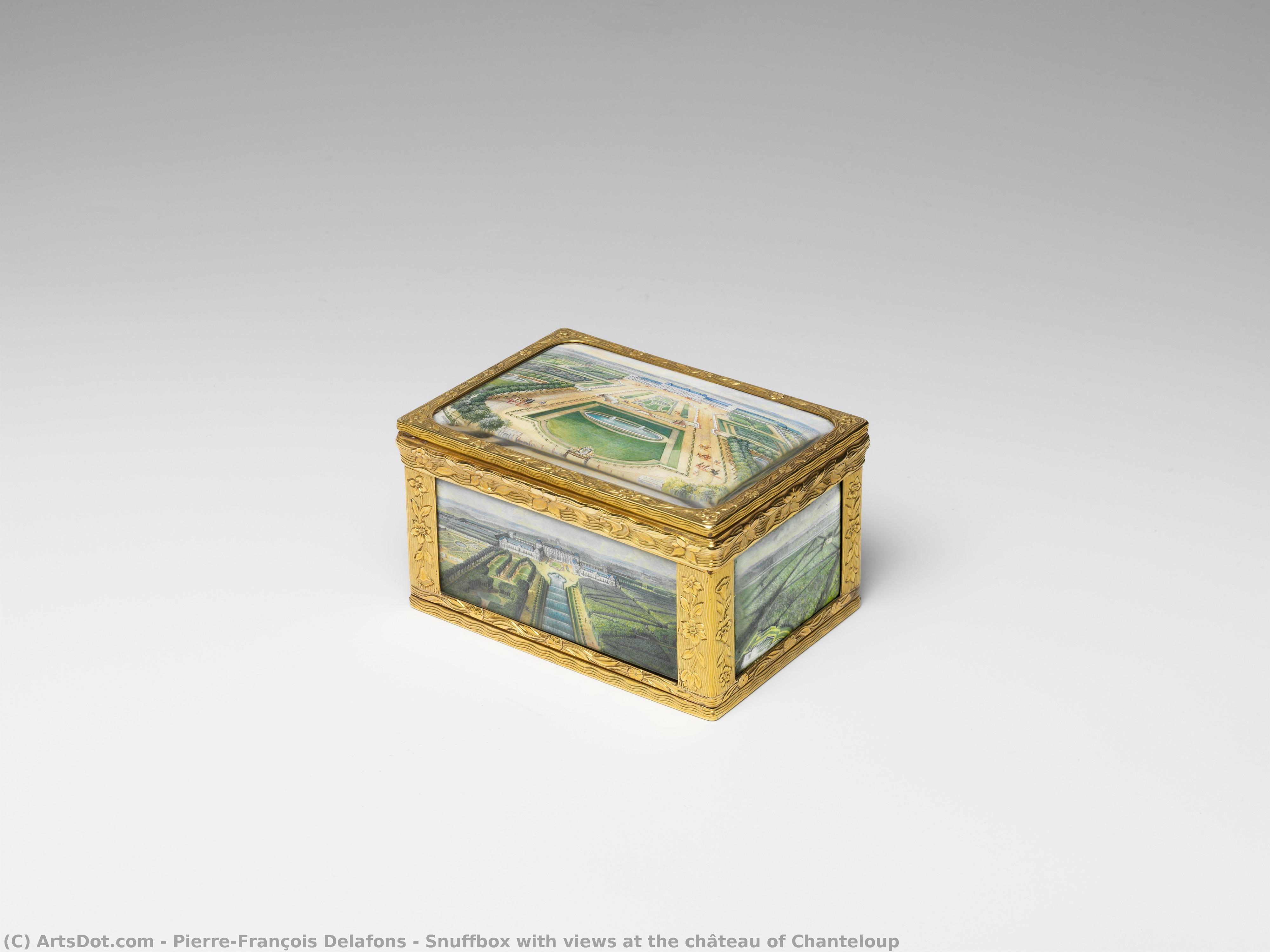
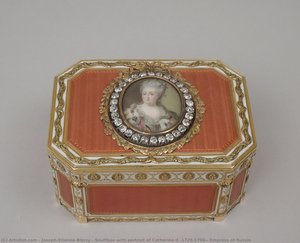
Snuffbox with views at the château of Chanteloup
 Acrylic On Canvas
- WallArt
- Rococo
 1767
1767 4.0 x 8.0 cm
 Metropolitan Museum of Art
 Read More
Purchase a high-resolution, enhanced digital image, far superior to the online preview.
Each file is meticulously prepared by our in-house specialists using advanced tools and expert manual retouching. We ensure every image has exceptional clarity, precise color accuracy, and fine detail.
The final file is delivered via email within 72 hours, optimized for immediate use in professional, editorial, and print environments. This is the same quality trusted by top-tier design studios, publishers, and galleries.
Digital Image
Download a high-resolution file for personal display, printing, and creative projects. ( Buy Print Buy Hand Made Painting)
Included in Every Digital Image Order
Expert Digital Delivery, Guaranteed
When you choose ArtsDot.com, you're not just getting an image - you're receiving a professionally enhanced digital artwork, crafted with precision and backed by a satisfaction guarantee. Here's everything that comes with your order, automatically:

Fast Email Delivery
Your high-resolution digital image file will be emailed to you within 72 hours of ordering - ready for immediate use.

AI-Enhanced Digital File
Your artwork is professionally optimized using advanced AI tools and manual editing, ensuring maximum detail, clarity, and color accuracy.

Free Lifetime Re-Delivery
Accidentally deleted or lost your file? No worries - we'll resend it to you anytime, free of charge.

No Import Fees - Ever
Enjoy your artwork instantly with zero customs, duties, or delivery fees - digital downloads are always tax-free.

Color Accuracy Guarantee
We ensure your digital image reflects the original colors as closely as possible using professional tools and color management.

60-Day Satisfaction Guarantee
If you're not satisfied with your digital image, we'll revise it or refund 100% within 60 days - no questions asked.

100% Money-Back Guarantee
Not satisfied? Get a full refund within 60 days of receiving your digital file - no questions asked.

Bulk Order Discounts
Buy 3 images, save 10% - Buy 5, save 15% - Buy 10+, save 20%. Great for creative projects, galleries, and agencies.
A Gilded Window on the Past: The Snuffbox of Choiseul
The “Snuffbox with Views at the Château de Chanteloup,” crafted in 1767 by the master miniaturist Pierre-François Delafons for the esteemed Duke of Choiseul, is more than a mere decorative object; it’s a meticulously constructed microcosm of aristocratic life and a testament to the artistry of the late eighteenth century. This exquisite piece, now housed within the Louvre's collection, offers a rare glimpse into the world of a powerful statesman, his opulent residences, and the intricate social rituals that defined the French court. It is a delicate dance between miniature painting and goldsmithing, a fusion that elevates the snuffbox from a functional object to a captivating work of art.
Delafons’ skill lies not just in his technical proficiency – the incredibly detailed gouache miniatures on vellum are remarkably vibrant considering their diminutive scale – but also in his ability to capture the essence of a specific moment. The six scenes depicted within the box aren't simply representations of Chanteloup; they are carefully staged tableaux, designed to showcase the château’s grandeur and the Duke’s refined tastes. The primary view of the Château de Chanteloup itself, signed “Van Blarenberghe,” immediately establishes a sense of stately formality, its imposing façade hinting at the power and influence held within. The other scenes – glimpses of the interior of the Hôtel de Choiseul in Paris, the meticulously manicured gardens of Chanteloup, and even a representation of the Duke’s office – offer intimate portraits of his daily life and the elaborate displays of wealth that were characteristic of the era.
The Art of Miniature: Technique and Craftsmanship
To fully appreciate the “Snuffbox,” one must consider the extraordinary techniques employed by Delafons and his fellow artisans. The miniatures themselves are painted with a precision that borders on obsessive, utilizing a technique known as *gouache*, which lends them a luminous quality and remarkable depth of color. The delicate layering of pigments creates subtle gradations of light and shadow, bringing the scenes to life with astonishing realism. Crucially, these miniature paintings were then meticulously inlaid into a framework of gold, creating an architectural effect that elevates the entire box beyond its functional purpose. The *à cage* construction – where the miniatures are set within a gilded border – not only provides structural support but also serves as a framing device, further emphasizing their importance.
The gold frame itself is a masterpiece of craftsmanship, bearing the Paris warden’s mark from 1748-49, indicating its creation during a period when such frameworks were common. This allowed for the easy replacement of miniatures as fashion trends shifted and new scenes became desirable. The intricate detailing of the gold – the delicate filigree work, the subtle textures – speaks to the skill and dedication of the goldsmiths involved in this ambitious project. The overall effect is one of opulent elegance, a testament to the wealth and sophistication of the French court.
A Window into Choiseul’s World
Beyond its aesthetic beauty, the snuffbox offers invaluable insights into the life and times of Étienne-François de Choiseul-Stainville, the Duke of Choiseul. As a key figure in Louis XV's government, he was a man of immense power and influence, responsible for shaping French foreign policy and overseeing vast administrative reforms. The scenes depicted within the box – his Parisian apartment, his office, and the meticulously designed gardens of Chanteloup – reveal a man who valued both luxury and order, both political acumen and artistic patronage.
Chanteloup itself holds significant historical importance. Originally a modest farmhouse, it was transformed into a magnificent château under Choiseul’s direction, becoming a symbol of his wealth and status. The decision to commission miniature paintings of the château and its surroundings reflects Choiseul's desire to showcase his achievements and maintain a carefully cultivated image of grandeur. The box, therefore, becomes more than just a container for snuff; it is a visual record of Choiseul’s legacy – a testament to his political power, his artistic sensibilities, and the splendor of his court.
Collecting and Displaying a Masterpiece
Reproductions of the “Snuffbox with Views at the Château de Chanteloup” offer an accessible way to appreciate the artistry and historical significance of this remarkable object. When selecting a reproduction, consider the level of detail and the quality of materials used. A faithful recreation will capture the delicate nuances of Delafons’ miniature paintings and the exquisite craftsmanship of the gold framework.
This piece would be particularly well-suited for display in a study or library, where its historical context and artistic merit can be fully appreciated. Its elegant design and intricate details make it a captivating addition to any collection of fine art or decorative objects. The “Snuffbox with Views at the Château de Chanteloup” is not merely a beautiful object; it’s a portal into the world of 18th-century France, offering a glimpse into the life of a remarkable man and the artistry that defined his era.
Related Artworks

Artist Biography
Jean-Honoré Fragonard: A Master of Rococo Sensuality
Born in 1732 in the Provençal town of Grasse, Jean-Honoré Fragonard’s life was a fascinating blend of artistic apprenticeship, courtly patronage, and ultimately, a quiet retreat from the spotlight. His early years were marked by a swift relocation to Paris, where he began his training under the watchful eye of Jean-Siméon Chardin, a respected still-life painter. This initial exposure provided him with fundamental skills in observation and composition, but it was his subsequent enrollment in François Boucher’s atelier that truly shaped his artistic trajectory. Boucher, a leading figure of the Rococo style, instilled in Fragonard a deep appreciation for elegance, ornamentation, and – crucially – a playful approach to subject matter.
Fragonard's early career was characterized by a remarkable ability to mimic Boucher’s style, producing faithful reproductions of his master’s works. However, he quickly transcended mere imitation, developing a distinctive voice that blended the influence of Boucher with elements of Italian Baroque painting and the vibrant colors of Dutch landscape art. In 1752, he achieved a significant milestone by winning the prestigious Prix de Rome, a competition that granted him access to study in Italy for five years. This period proved transformative; Fragonard immersed himself in the artistic heritage of Rome, Naples, and Venice, meticulously copying works by masters such as Caravaggio, Rembrandt, and Titian. These studies weren’t simply exercises in imitation; they instilled in him a profound understanding of technique, composition, and the expressive potential of light and shadow.
The Rise to Prominence: Courtly Commissions and Rococo Flourish
Returning to Paris in 1761, Fragonard swiftly established himself as a sought-after painter for wealthy patrons. He quickly gained recognition for his “cabinet pictures”—small-scale paintings designed to be displayed in private rooms—that captured the essence of Rococo aesthetics. These works were characterized by their intimate settings, often depicting scenes of flirtation, leisure, and aristocratic indulgence. His most celebrated achievement during this period was *Coresus and Callirhoë* (1765), a dramatic depiction of two young men succumbing to lustful passion. The painting’s audacious composition, vibrant colors, and suggestive atmosphere caused a sensation at the Salon, securing Fragonard’s position as one of the most fashionable artists in Paris.
Fragonard's success was fueled by his ability to anticipate and cater to the tastes of his clientele. He skillfully blended classical allusions with contemporary sensibilities, creating works that were both visually stunning and subtly erotic. His paintings frequently featured billowing silk clothing, languid poses, and a pervasive atmosphere of playful seduction—elements characteristic of the Rococo style. He was particularly adept at capturing fleeting moments of emotion and interaction, imbuing his scenes with a sense of immediacy and spontaneity.
A Departure from Tradition: Figures de Fantaisie and Artistic Freedom
Despite his initial success within the established framework of the Royal Academy, Fragonard ultimately rejected the constraints of academic painting. He deliberately eschewed official commissions in favor of working directly for private collectors, a decision that allowed him to pursue his own artistic vision with greater freedom. This shift is particularly evident in his series of “*Figures de fantaisie*”—imaginary portraits featuring archaic costumes and fantastical elements—which showcased his extraordinary technical skill and inventive spirit. These works, characterized by their rapid brushwork and exuberant color palette, defied conventional notions of portraiture and demonstrated Fragonard’s willingness to experiment with form and style.
Fragonard's technique evolved dramatically during this period. He abandoned the meticulous blending techniques favored by Boucher in favor of a more direct and expressive approach, allowing his brushstrokes to remain visible—a characteristic that contributed to the “fire” and “genius” so admired by his collectors. His drawing style also underwent a transformation, moving away from precise academic studies towards looser, more gestural sketches that captured the essence of his subjects with remarkable immediacy.
Legacy and Historical Context
Fragonard’s career coincided with a period of profound social and political change in France. The Rococo style, which he so brilliantly embodied, was increasingly viewed as frivolous and decadent by those who championed Neoclassical ideals. Following the French Revolution, Fragonard's paintings were deemed symbols of the *ancien régime* and fell into disfavor. He retreated to his family estate in Grasse, where he spent his final years largely out of public view.
Despite this relative obscurity during his lifetime, Fragonard’s work has since been recognized as a cornerstone of Rococo art. His paintings continue to captivate audiences with their sensual beauty, technical brilliance, and enduring appeal. Fragonard's legacy lies not only in his individual masterpieces but also in his pioneering spirit—his willingness to challenge conventions, embrace artistic freedom, and create works that celebrate the pleasures of life.
pierre-françois delafons
1732 - 1787 , France
Quick Facts
- Artistic Movement Or Style: Rococo
- Artists Or Movements Influenced By This Artist:
- Antoine Watteau
- Rococo
- Artists Who Influenced This Artist:
- François Boucher
- Jean-Siméon Chardin
- Date Of Birth: April 5, 1732
- Date Of Death: August 22, 1806
- Full Name: Jean-Honoré Fragonard
- Nationality: French
- Notable Artworks:
- The Swing
- A Young Girl Reading
- The Bolt
- Place Of Birth: Grasse, France

