 Preview
 Send
Send Share
Share
 Details

 Download
 Similars
 X-Ray
X-Ray Diaporama
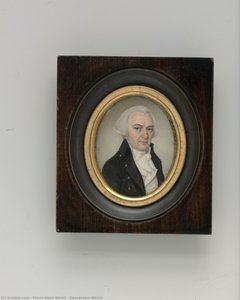
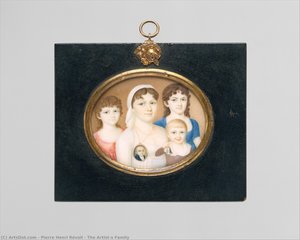
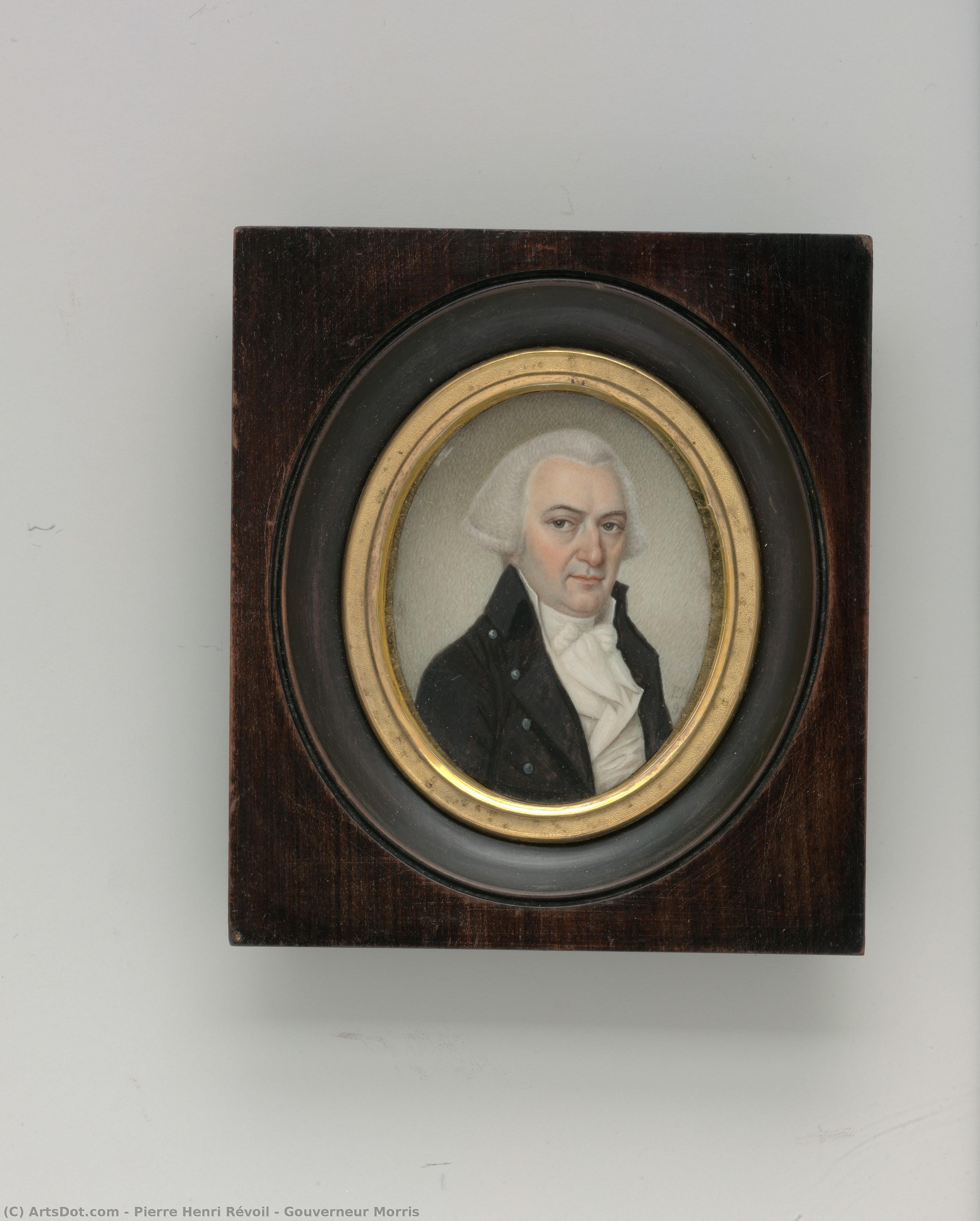
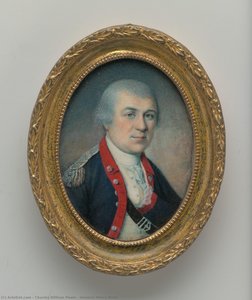
Gouverneur Morris
 1798
1798 7.0 x 5.0 cm
 Read More
Hand Made Oil Reproduction
Hand-painted oil on canvas in your size and frame, made to order by our artists. ( Buy Print Buy Image)




































Pick from our preset sizes that match the artwork's original proportions.

You may enter your own dimensions to fit a specific frame or space. If your selected size does not match the original image's proportions, we will either crop the artwork or extend the painting with additional hand-painted elements. A digital mockup will be sent for your approval before production begins.
Please note that the on-screen preview does not reflect the actual cropping or extension. Only the mockup will accurately show the final composition.
While custom sizes are available, we recommend selecting a dimension from the predefined list to preserve the original proportions.
After order, ArtsDot.com team will email client for instructions and provide a mockup preview
Worldwide Delivery () in 3/4 weeks instead of standard 5 weeks. (17 August). No compromise on quality.

Free Worldwide Express Shipping

High-Quality Linen Canvas

Full Shipping Insurance

Customs Tax Refund Guarantee

True Color Matching Guarantee

60-Day Return Policy (Defects Only)

100% Money-Back Guarantee

Bulk Discount Offer
 Glass option is only available in size under 110 CM

Gouverneur Morris
Reproduction Medium
Reproduction Size
-


Total Price
$ 263
Artwork Description
Related Artworks
Artist Biography
John Constable: Bridging the Divide Between Observation and Emotion
Born in East Bergholt, Suffolk, on June 11th, 1776, John Constable emerged as a pivotal figure in British landscape painting, forever altering its course. His life was one of quiet dedication to capturing the essence of nature—a pursuit that initially clashed with his family’s expectations and ultimately defined his artistic legacy. Unlike his contemporary, J.M.W. Turner, who embraced dramatic light and fleeting effects, Constable sought a more profound connection with the subject matter, striving to convey not just what he saw but also how he felt in its presence. This intimate relationship with the land became the cornerstone of his distinctive style.
Constable’s early years were shaped by a pragmatic upbringing. His father, Golding Constable, was a prosperous corn merchant and owner of Flatford Mill, a working mill that provided a constant source of visual stimulation. Despite being expected to follow in his family's footsteps and manage the estate, Constable harbored an undeniable passion for art. He received limited formal training, primarily through self-study and observation, immersing himself in the works of Dutch masters like Ruisdael and Rembrandt – artists who prioritized capturing light and atmosphere above meticulous detail. This early exposure to the nuances of light and shadow would profoundly influence his later approach.
His artistic journey began with a series of sketches documenting the landscapes surrounding his home, particularly Dedham Vale. These preliminary studies, executed *en plein air* – directly from nature – became the foundation for his most celebrated works. Constable’s technique was revolutionary for its time. He deliberately avoided the smooth, polished surfaces favored by many of his contemporaries, opting instead for a rough, vigorous brushwork that conveyed the texture and movement of the natural world. He wasn't interested in creating perfect representations; he aimed to capture the *feeling* of a place – the warmth of sunlight on water, the rustle of leaves in the breeze, the subtle shifts in color with changing light. This commitment to direct observation and emotional expression set him apart and earned him both admiration and criticism during his lifetime.
The Hay Wain and Beyond: Defining Constable’s Style
Perhaps Constable's most iconic work, *The Hay Wain* (1820-1821), perfectly encapsulates his artistic philosophy. This seemingly simple depiction of a rural scene – a wagon laden with hay pulled along the River Stour – is far more complex than it appears. It’s not merely a record of a specific moment but an evocation of the tranquility and beauty of the Suffolk countryside, imbued with Constable's personal feelings. The painting’s loose brushwork, vibrant colors, and atmospheric perspective create a sense of immediacy and intimacy, drawing the viewer into the scene.
Other significant works include *Dedham Vale* (1820-1821), which offers a panoramic view of his beloved landscape, and numerous depictions of Suffolk’s rivers, meadows, and woodlands. Constable's dedication to capturing the ever-changing effects of light and weather is evident in these paintings, each one a testament to his meticulous observation and artistic skill. He frequently returned to the same locations over many years, patiently studying their subtle variations and incorporating them into his evolving style.
Influence and Legacy
Despite facing considerable challenges during his lifetime – including financial difficulties and skepticism from some critics – Constable’s influence on subsequent generations of British landscape painters was profound. His emphasis on direct observation, emotional expression, and the use of loose brushwork paved the way for the Romantic movement and inspired artists such as J.M.W. Turner (who acknowledged Constable's debt), John Brett, and Frank Bramley. His approach to capturing light and atmosphere challenged traditional artistic conventions and demonstrated that landscape painting could be a vehicle for personal expression.
Furthermore, Constable’s dedication to working *en plein air* – directly from nature – helped to establish the practice of outdoor sketching as an essential component of artistic training. His meticulous studies of Dedham Vale became invaluable resources for art students and continue to inspire artists today. His legacy extends beyond his individual paintings; he fundamentally changed the way British landscape painting was conceived and executed.
A Life Dedicated to Observation
John Constable died on March 31st, 1837, in Hampstead, London, at the age of 60. He never achieved widespread recognition during his lifetime, largely due to the prevailing artistic tastes of the time and his reluctance to engage in the commercial aspects of art production. However, his work gradually gained appreciation after his death, and today he is widely regarded as one of the greatest landscape painters in British history – a master of capturing the beauty and spirit of the natural world.
His paintings are treasured for their honesty, emotional depth, and technical brilliance, offering viewers a glimpse into the heart and soul of Constable’s artistic vision. The enduring appeal of his work lies not only in its aesthetic qualities but also in its profound connection to the land and the human experience.
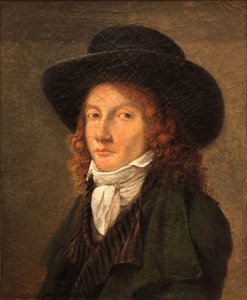
pierre henri révoil
1776 - 1842
Quick Facts
- Artistic Movement Or Style: Romanticism
- Artists Or Movements Influenced By This Artist:
- Delacroix
- Barbizon School
- Artists Who Influenced This Artist:
- Gainsborough
- Ruisdael
- Date Of Birth: 11 June 1776
- Date Of Death: 31 March 1837
- Full Name: John Constable
- Nationality: English
- Notable Artworks:
- The Hay Wain
- Dedham Vale
- Wivenhoe Park
- Place Of Birth: East Bergholt, Suffolk