 Preview
 Send
Send Share
Share
 Details

 Download
 Similars
 X-Ray
X-Ray Diaporama
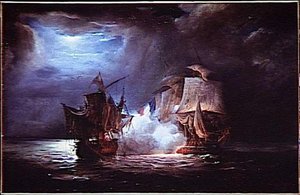
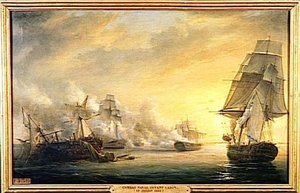
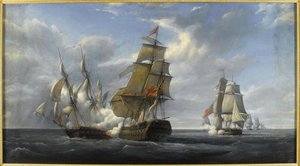
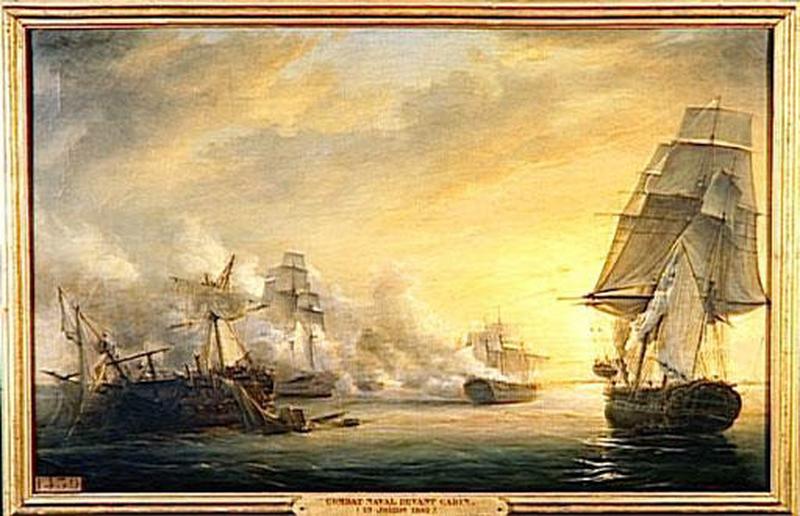
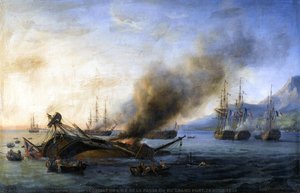
COMBAT NAVAL DEVANT CADIX.13 JUILLET 1801

 Read More
Hand Made Oil Reproduction
Hand-painted oil on canvas in your size and frame, made to order by our artists. ( Buy Print Buy Image)




































Pick from our preset sizes that match the artwork's original proportions.

You may enter your own dimensions to fit a specific frame or space. If your selected size does not match the original image's proportions, we will either crop the artwork or extend the painting with additional hand-painted elements. A digital mockup will be sent for your approval before production begins.
Please note that the on-screen preview does not reflect the actual cropping or extension. Only the mockup will accurately show the final composition.
While custom sizes are available, we recommend selecting a dimension from the predefined list to preserve the original proportions.
After order, ArtsDot.com team will email client for instructions and provide a mockup preview
Worldwide Delivery () in 3/4 weeks instead of standard 5 weeks. (20 August). No compromise on quality.

Free Worldwide Express Shipping

High-Quality Linen Canvas

Full Shipping Insurance

Customs Tax Refund Guarantee

True Color Matching Guarantee

60-Day Return Policy (Defects Only)

100% Money-Back Guarantee

Bulk Discount Offer
 Glass option is only available in size under 110 CM

COMBAT NAVAL DEVANT CADIX.13 JUILLET 1801
Reproduction Medium
Reproduction Size
-


Total Price
$ 263
Related Artworks

Artist Biography
Pierre-Julien Gilbert: A Master of the French Naval Canvas
The world of 19th-century art is replete with figures who captured pivotal moments in history, and among them stands Pierre-Julien Gilbert (1783 – 1860), a French painter whose legacy rests primarily on his dramatic depictions of naval battles and maritime scenes. More than just historical recordists, Gilbert possessed a remarkable ability to infuse his canvases with the dynamism and spectacle of combat, earning him recognition within the academic circles of his time and establishing a lasting place for his work in the annals of French art.
Gilbert’s early life offered little indication of the artistic path he would ultimately pursue. Born in Brest, a vital naval port in Brittany, he was immersed from an early age in the rhythms of maritime life – the clang of shipyards, the cries of sailors, and the ever-present drama of the sea. This intimate connection to the ocean profoundly shaped his artistic sensibilities, informing his meticulous attention to detail and his profound understanding of nautical techniques. He began his formal training under Pierre Ozanne, a respected marine painter known for his realistic depictions of ships and seascapes, and later benefited from the guidance of Louis-Philippe Crépin, another prominent figure in the French school of maritime art. These formative influences instilled in Gilbert a deep respect for tradition while simultaneously encouraging him to develop his own distinctive style.
The Rise of a Naval Artist
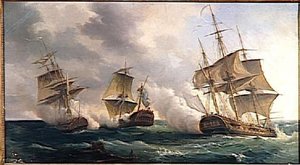
Gilbert’s career gained momentum during the Napoleonic era, a period marked by intense naval conflict between France and Britain. This turbulent backdrop provided fertile ground for his artistic endeavors, as he was commissioned to document key battles and engagements. His most celebrated work, “La Canonnère” (1806), depicting the clash between the French frigate La Canonnère and an English warship, exemplifies this period of intense activity. The painting’s dramatic composition, vibrant colors, and meticulous rendering of cannon fire and billowing sails capture the chaos and intensity of naval combat with remarkable skill. Similarly, “Le Combat du vaisseau Français Le Romulus contre trois vaisseaux anglais à l'entrée de la rade de Toulon” (1814) vividly portrays a pivotal engagement during the Napoleonic Wars, showcasing Gilbert’s ability to convey both the strategic importance and the brutal reality of naval warfare.
Beyond these grand-scale historical paintings, Gilbert also produced a significant body of work depicting smaller scenes of maritime life – fishing boats returning to port, sailors repairing their vessels, and coastal landscapes. These works demonstrate his versatility as an artist and his ability to capture the essence of everyday life in a naval community. Notably, he was even granted permission to accompany the French Navy during the Invasion of Algiers in 1830, providing him with invaluable firsthand experience and inspiration for his future paintings.
Technique and Influences
Gilbert’s artistic style is often described as a blend of academic realism and Romanticism. He meticulously studied the techniques of earlier marine painters, particularly those of the Dutch Golden Age – masters like Willem van de Velde and Jan Wappers – whose works he admired for their dramatic compositions and skillful rendering of light and shadow. However, Gilbert’s paintings are distinguished by a heightened sense of emotion and dynamism, reflecting the Romantic movement's emphasis on subjective experience and intense feeling. He employed loose brushwork and vibrant color palettes to create a sense of movement and energy, capturing the turbulent nature of the sea and the frenetic pace of naval combat.
His use of light was particularly noteworthy. Gilbert skillfully manipulated light and shadow to heighten the drama of his scenes, creating a palpable sense of depth and atmosphere. He often employed dramatic contrasts between bright highlights and deep shadows, drawing the viewer’s eye to key elements within the composition and enhancing the overall impact of the painting.
Legacy and Recognition
Despite facing periods of relative obscurity, Pierre-Julien Gilbert's contribution to French art is now widely recognized. His paintings are held in prominent museums throughout France and beyond, including the Musée National de la Marine in Paris. His works offer a valuable insight into the naval history of 19th-century France and demonstrate the artistic skill and dramatic vision of a talented painter. Gilbert’s legacy extends beyond his individual achievements; he helped to establish marine painting as a respected genre within the French art world, paving the way for future generations of artists who sought to capture the beauty and drama of the sea.
His influence can be seen in the works of later naval painters, and his paintings continue to resonate with viewers today due to their powerful depiction of human courage, skill, and the ever-present force of nature. Pierre-Julien Gilbert remains a significant figure in French art history – a master of the canvas who brought the drama of the sea to life.
pierre julien gilbert
1783 - 1860
Quick Facts
- Artistic Movement Or Style: Marine art, Historical painting
- Artists Who Influenced This Artist:
- Pierre Ozanne
- Louis-Philippe Crépin
- Date Of Birth: March 15, 1783
- Date Of Death: September 21, 1860
- Full Name: Pierre Julien Gilbert
- Nationality: French
- Notable Artworks:
- Combat de la frégate française La canonnière contre le vaisseau anglais Le Tremendous
- Combat du vaisseau français Le Romulus contre trois vaisseaux anglais à l'entrée de la rade de Toulon
- Place Of Birth: Brest, France