 Preview
 Send
Send Share
Share
 Details

 Download
 Similars
 X-Ray
X-Ray Diaporama
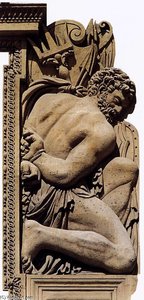
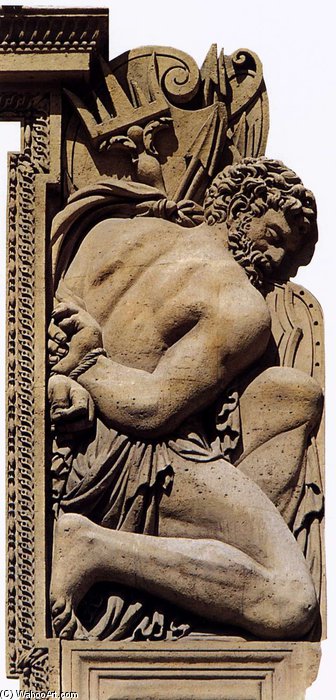
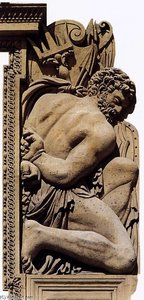
Attic Of The Facade Of The Louvre
 Read More
Giclée / Art Print
Museum-quality giclée or canvas print with fast production and flexible finish options. ( Buy Hand Made Painting Buy Image)




































Pick from our preset sizes that match the artwork's original proportions.

You may enter your own dimensions to fit a specific frame or space. If your selected size does not match the original image's proportions, we will either crop the artwork or extend the image with a mirrored or solid-fill edge. A digital mockup will be sent for your approval before production begins.
Please note that the on-screen preview does not reflect the actual cropping or extension. Only the mockup will accurately show the final composition.
While custom sizes are available, we recommend selecting a dimension from the predefined list to preserve the original proportions.
Worldwide Delivery () in 2 weeks instead of standard 4/5 weeks. (29 August)

Free Worldwide Express Shipping

High-Quality Linen Canvas

Full Shipping Insurance

Customs Tax Refund Guarantee

True Color Matching Guarantee

60-Day Return Policy (Defects Only)

100% Money-Back Guarantee

Bulk Discount Offer
 Glass option is only available in size under 110 CM

Attic Of The Facade Of The Louvre
Giclée / Art Print
Reproduction Size
-


Total Price
$ 63
Related Artworks





Artist Biography
Pierre Lescot: Architect of Renaissance Splendor
Pierre Lescot (c. 1515 – September 10, 1578) stands as a cornerstone figure in French Renaissance architecture, shaping the aesthetic sensibilities and structural innovations that defined the era’s artistic landscape. Born into a wealthy Parisian family steeped in legal tradition, Lescot's early education encompassed mathematics, architecture, and sculpture—a foundation that would prove invaluable to his illustrious career. He swiftly ascended through the ranks of royal patronage under Francis I, becoming instrumental in transforming the Louvre Palace from a medieval château into the opulent symbol of French monarchy it remains today.- Early Influences & Training: Lescot’s formative years were marked by exposure to humanist ideals and classical scholarship, fostered by his family's intellectual pursuits. He studied diligently under Jean Goujon, mastering the techniques of sculptural carving and gaining insight into the principles of Roman architecture—influences that would permeate his subsequent designs.
- The Louvre Project: Lescot’s magnum opus was undoubtedly the ambitious reconstruction of the Louvre Palace. Recognizing the limitations of the existing structure, he championed a bold vision inspired by Sebastiano Serlio's theoretical treatise – a plan to create a grand courtyard enclosed by monumental apartments and crowned with soaring pavilions adorned with sculptures. This project fundamentally altered French architectural practice, establishing a precedent for incorporating classical grandeur.
Notable Achievements & Architectural Style
Lescot’s contribution extended beyond the Louvre; he oversaw numerous other significant projects across Paris, including the Fontaine des Innocents—a magnificent baroque fountain embodying the spirit of humanist celebration—and contributed to embellishing Sainte-Chapelle with sculptures that showcased his mastery of Mannerist style. His architectural style prioritized symmetry, proportion, and ornamentation derived from classical models, reflecting a deep understanding of Roman aesthetics. The Louvre’s west wing, completed during Henry II's reign, exemplifies this approach: its façade features recessed arches, delicate fluted pilasters, and intricately carved sculptures—a testament to Lescot’s artistic vision.- The Fontaine des Innocents: This monumental fountain is a masterpiece of Baroque sculpture and architecture. Its tiered basins are adorned with sculptures depicting biblical scenes and allegorical figures, reflecting the humanist values prevalent during Lescot's time.
- Sainte-Chapelle Sculptures: Lescot’s sculptural contributions to Sainte-Chapelle elevated its spiritual grandeur through exquisitely crafted depictions of saints and biblical narratives—a showcase of his artistic skill and stylistic innovation.
Legacy & Historical Significance
Pierre Lescot's influence resonated throughout French art history, establishing a new paradigm for architectural design. He championed the revival of classical forms and techniques, propelling French architecture into an era of unprecedented splendor and sophistication. His work at the Louvre served as a blueprint for subsequent royal palaces, shaping the visual identity of France for centuries to come. Lescot’s legacy continues to inspire architects and artists today—a testament to his enduring contribution to the artistic heritage of Europe.- Classical Influence: Lescot's architectural style decisively shifted French architecture away from Gothic traditions toward the elegance and grandeur of classical ideals, profoundly impacting subsequent generations of builders.
- Louvre’s Symbolism: The Louvre Palace itself became a symbol of royal power and cultural prestige—a legacy inextricably linked to Lescot’s transformative vision.
Pierre Lescot
1515 - 1578 , France
Quick Facts
- Artistic Movement Or Style: Renaissance Architecture
- Artists Or Movements Influenced By This Artist: ['French Classicism']
- Artists Who Influenced This Artist: ['Sebastiano Serlio']
- Date Of Birth: Paris, France (1515)
- Date Of Death: 1578
- Full Name: Pierre Lescot
- Nationality: French
- Notable Artworks:
- Fontaine des Innocents
- Aile Lescot (Louvre)
- Place Of Birth: Paris