

 Preview
 Send
Send Share
Share
 Details

 Download
 Similars
 X-Ray
X-Ray Diaporama
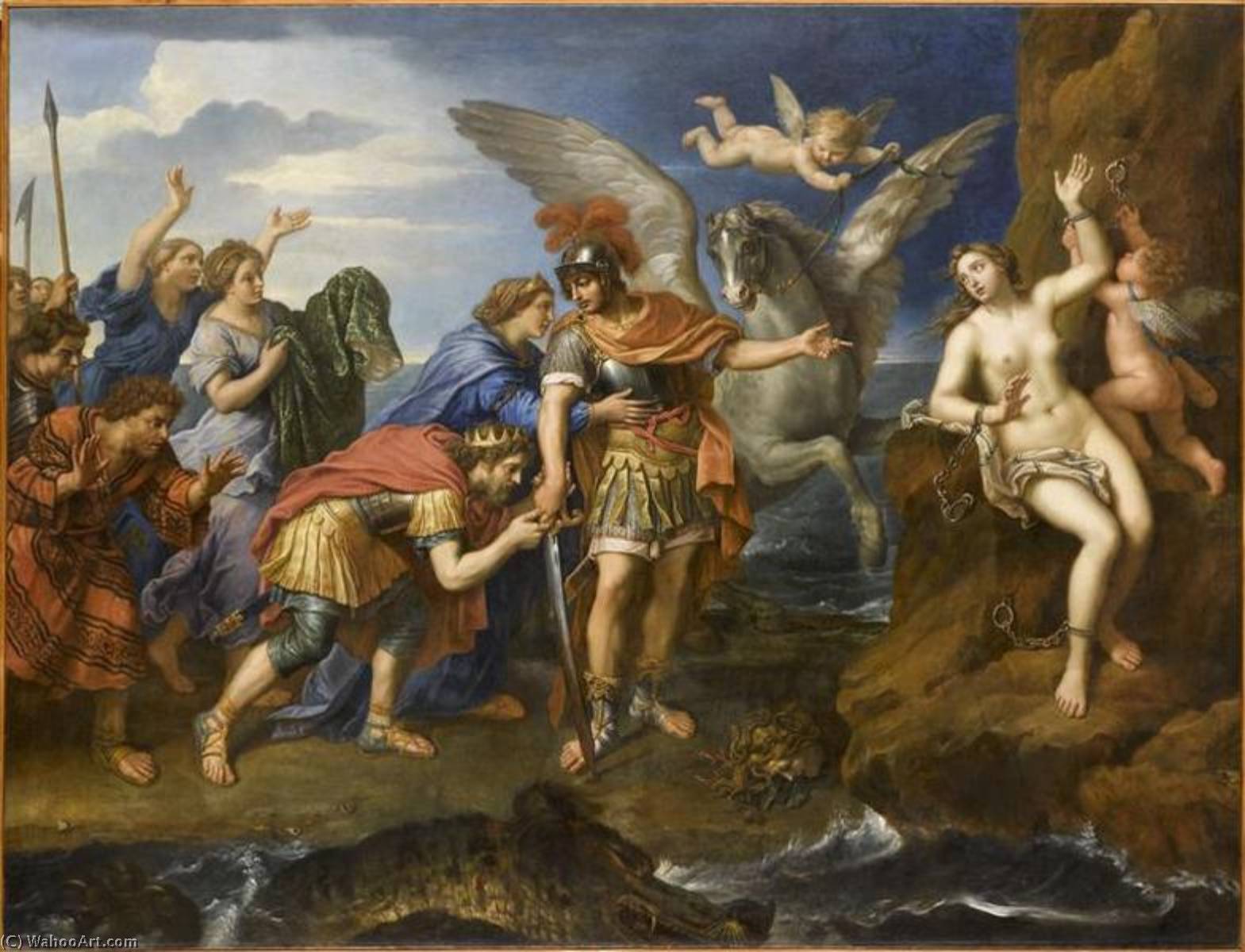
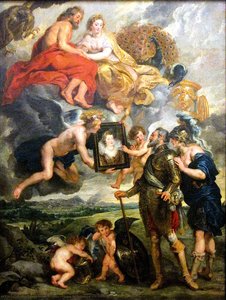
Le roi Céphée et la reine Cassiopée remerciant Persée d'avoir délivré leur fille Andromède dit aussi La délivrance d'Andromède Persée délivrant Andromède (autre titre)


 Read More
Purchase a high-resolution, enhanced digital image, far superior to the online preview.
Each file is meticulously prepared by our in-house specialists using advanced tools and expert manual retouching. We ensure every image has exceptional clarity, precise color accuracy, and fine detail.
The final file is delivered via email within 72 hours, optimized for immediate use in professional, editorial, and print environments. This is the same quality trusted by top-tier design studios, publishers, and galleries.
Digital Image
Download a high-resolution file for personal display, printing, and creative projects. ( Buy Print Buy Hand Made Painting)
Included in Every Digital Image Order
Expert Digital Delivery, Guaranteed
When you choose ArtsDot.com, you're not just getting an image - you're receiving a professionally enhanced digital artwork, crafted with precision and backed by a satisfaction guarantee. Here's everything that comes with your order, automatically:

Fast Email Delivery
Your high-resolution digital image file will be emailed to you within 72 hours of ordering - ready for immediate use.

AI-Enhanced Digital File
Your artwork is professionally optimized using advanced AI tools and manual editing, ensuring maximum detail, clarity, and color accuracy.

Free Lifetime Re-Delivery
Accidentally deleted or lost your file? No worries - we'll resend it to you anytime, free of charge.

No Import Fees - Ever
Enjoy your artwork instantly with zero customs, duties, or delivery fees - digital downloads are always tax-free.

Color Accuracy Guarantee
We ensure your digital image reflects the original colors as closely as possible using professional tools and color management.

60-Day Satisfaction Guarantee
If you're not satisfied with your digital image, we'll revise it or refund 100% within 60 days - no questions asked.

100% Money-Back Guarantee
Not satisfied? Get a full refund within 60 days of receiving your digital file - no questions asked.

Bulk Order Discounts
Buy 3 images, save 10% - Buy 5, save 15% - Buy 10+, save 20%. Great for creative projects, galleries, and agencies.
Collectible Description
The Drama of Divine Rescue: Pierre Mignard’s *Le roi Céphée et la reine Cassiopée remerciant Persée d'avoir délivré leur fille Andromède*
Pierre Mignard’s “Le roi Céphée et la reine Cassiopée remerciant Persée d’avoir délivré leur fille Andromède” is more than a mythological scene; it’s a carefully orchestrated tableau of gratitude, heroism, and the precarious balance between fate and divine intervention. Painted in 1679 during the height of Mignard's career, this work exemplifies his masterful blend of Italianate grandeur with distinctly French elegance – a style honed through rigorous training under masters like Simon Vouet and marked by a profound understanding of Baroque composition. The painting captures a pivotal moment from Ovid’s *Metamorphoses*, where the grateful King Céphée and Queen Cassiopée bestow their thanks upon Perseus for rescuing Andromeda from her terrifying fate as a sacrifice to the sea monster Cetus.
Mignard's skill lies not merely in depicting figures, but in imbuing them with palpable emotion. The central focus is undeniably Perseus, rendered as a youthful and resolute hero, his sword held aloft – a symbol of victory over primal chaos. His posture exudes confidence and strength, yet there’s also a hint of vulnerability, acknowledging the perilous journey he undertook. Beside him stand the regal figures of Céphée and Cassiopée, their expressions a mixture of relief, joy, and profound gratitude. The angels flanking the scene – one on the left, another in the center, and two more on the right – aren’t simply decorative elements; they represent divine approval and the intervention of higher powers, reinforcing the narrative's themes of salvation and redemption.
A Baroque Symphony of Light and Shadow
Technically, the painting is a testament to Mignard’s mastery of oil on canvas. He employs a dramatic chiaroscuro – a stark contrast between light and shadow – to heighten the emotional impact and create a sense of theatricality. The figures are bathed in a warm, golden light that emanates from an unseen source, drawing the viewer's eye towards the central action while simultaneously casting the surrounding elements into deeper shadows. This technique not only adds depth but also emphasizes the heroic nature of Perseus’s deed, highlighting his role as the bringer of light and hope.
Mignard’s attention to detail is remarkable. The folds of the royal robes are rendered with exquisite precision, suggesting luxurious fabrics and a sense of opulence. The musculature of Perseus's body is subtly defined, conveying his physical strength and endurance. Even the expressions on the faces of the figures – from the serene gratitude of Céphée to the palpable relief of Cassiopée – are remarkably lifelike, demonstrating Mignard’s keen observation skills and ability to capture human emotion.
Symbolism and Mythological Resonance
Beyond its immediate narrative, the painting is rich in symbolic meaning. The sea monster Cetus, though largely obscured, represents the forces of chaos and destruction that threaten humanity. Perseus's victory over Cetus symbolizes the triumph of order over disorder, reason over instinct, and ultimately, the power of human courage to overcome adversity. The presence of angels underscores the divine sanction of Perseus’s actions – a reminder that even the most heroic deeds are ultimately guided by a higher purpose.
Andromede herself, though chained and seemingly resigned to her fate, embodies resilience and dignity. Her expression suggests a quiet acceptance of her situation, but also a glimmer of hope for rescue. The entire composition speaks to the cyclical nature of mythology – the constant struggle between gods and monsters, heroes and villains, light and darkness – and Mignard’s painting offers a compelling visual interpretation of this timeless drama.
A Reproduction Worth Cherishing
ArtsDot is proud to offer meticulously crafted hand-painted reproductions of Pierre Mignard's “Le roi Céphée et la reine Cassiopée remerciant Persée d’avoir délivré leur fille Andromède.” These reproductions capture the essence of the original painting – its dramatic lighting, rich colors, and profound emotional depth – while providing a timeless addition to any art collection or interior space. Whether you are an admirer of Baroque art, a collector seeking a statement piece, or simply someone who appreciates the beauty of classical mythology, this reproduction offers a stunning opportunity to experience the enduring power of Mignard’s masterpiece.
Related Artworks

Artist Biography
A Life Immersed in Baroque Splendor
Pierre Mignard, born in Troyes, France, in 1612, was a pivotal figure in the French Baroque painting scene, though often overshadowed by his contemporary and rival, Charles Le Brun. From humble beginnings within a family of artisans, Mignard demonstrated an early artistic inclination that led him to Bourges for initial training under Jean Boucher, a painter steeped in Mannerist traditions. This foundational period instilled in him a sensitivity to form and composition, which he further refined through diligent copying of works at the Château de Fontainebleau – a veritable schoolroom of established artistic principles. Crucially, his studies continued within the Parisian studio of Simon Vouet, a master who championed classical influences and possessed extensive international connections. These formative experiences laid the groundwork for Mignard’s distinctive style, one that would blend Italianate grandeur with French elegance.Roman Reverie and the Birth of “Mignardises”
A defining chapter in Mignard's artistic journey began in 1635 with his relocation to Rome. For approximately twenty-two years, he immersed himself in the vibrant heart of Italian Baroque art. It was here that he truly blossomed, gaining renown for his tender and captivating depictions of the Madonna and Child – images so charming and delicate they became affectionately known as “mignardises,” a testament to their sweet and refined quality. The influence of Italian masters is palpable in his Roman works; dramatic compositions, masterful use of light and shadow, and an overall sense of theatricality characterize this period. Beyond religious commissions, Mignard honed his technical skills through reproductive engraving, meticulously copying the works of Annibale Carracci, deepening his understanding of artistic principles. His talent extended to portraiture as well, securing commissions from prominent Roman figures – popes, cardinals, and members of the elite – establishing a reputation for capturing not only likeness but also character with both skill and grace.Return to Paris and Artistic Contention
Around 1657, Mignard returned to Paris, summoned by Cardinal Mazarin, marking his entry into the competitive world of French court painting. He quickly gained patronage from influential figures, including King Louis XIV himself, yet his ascent coincided with the dominance of Charles Le Brun, who held the prestigious title of *peintre du roi*. This inevitably led to a protracted and often bitter rivalry between the two artists. Mignard actively opposed the authority of the Académie Royale de Peinture et Sculpture, distancing himself from its established hierarchy and advocating for artistic independence. Despite this conflict, he flourished as a portraitist, immortalizing prominent individuals such as Turenne, Molière, Bossuet, and Madame de Maintenon on canvas. His portraits are celebrated not merely for their accurate representation but also for the psychological insight they reveal – capturing the essence of his sitters with remarkable sensitivity.Legacy and Lasting Influence
Pierre Mignard’s artistic legacy rests primarily upon his exquisite portraits, admired for their elegance, meticulous detail, and ability to convey character. His religious works, particularly those depicting the Madonna and Child created during his Roman period, also hold a significant place in art history. Following Le Brun's death in 1690, Mignard assumed many of his former positions, demonstrating the respect he commanded within artistic circles – a testament to his enduring talent. While often overshadowed by Le Brun’s greater fame and official recognition, Mignard remains an important figure in French Baroque painting. He represents a distinct stylistic approach characterized by classical grace, refined technique, and a meticulous attention to detail that set him apart. His influence can be seen in subsequent generations of French portraitists who sought to emulate his ability to capture both the physical likeness and inner life of their subjects. Mignard le Romain, as he was known, left behind a body of work that continues to captivate and inspire, offering a glimpse into the opulent world of 17th-century France and the artistry of a master portraitist.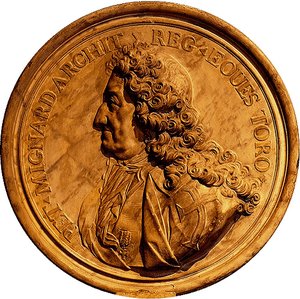
Pierre Mignard
1612 - 1695 , France
Quick Facts
- Artistic Movement Or Style: Baroque
- Artists Or Movements Influenced By This Artist: ['French portraitists']
- Artists Who Influenced This Artist:
- Simon Vouet
- Annibale Carracci
- Date Of Birth: 1612
- Date Of Death: 1695
- Full Name: Pierre Mignard
- Nationality: French
- Notable Artworks:
- God the Father
- Virgin of the Grapes
- La Fortune
- Place Of Birth: Troyes, France

