

 Preview
 Send
Send Share
Share
 Details

 Download
 Similars
 X-Ray
X-Ray Diaporama
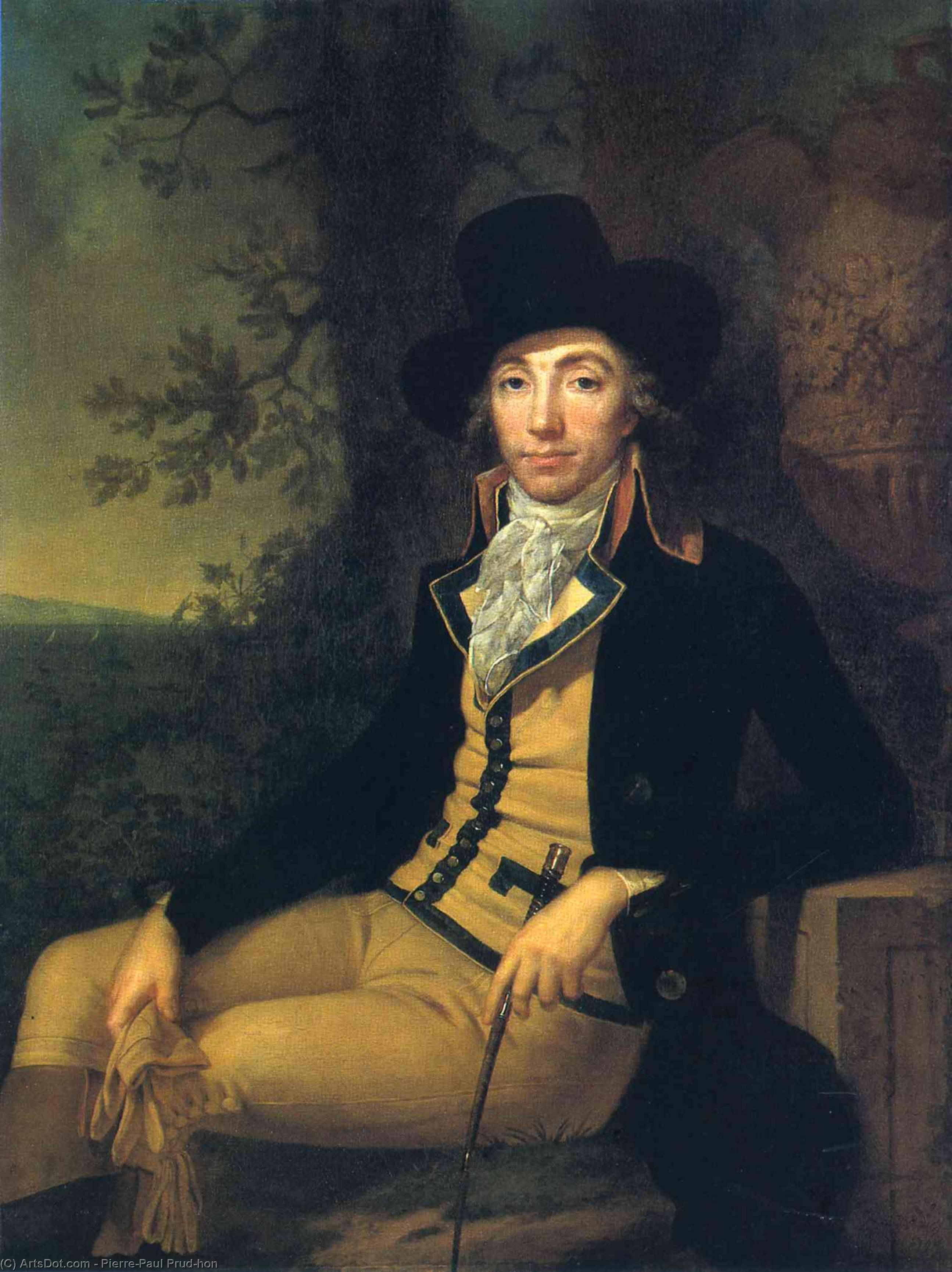
The Man in the Riding Habit
 Oil
Oil- WallArt
- Neoclassicism
 1791
1791- 19th Century
 115.0 x 89.0 cm
 Read More
Purchase a high-resolution, enhanced digital image, far superior to the online preview.
Each file is meticulously prepared by our in-house specialists using advanced tools and expert manual retouching. We ensure every image has exceptional clarity, precise color accuracy, and fine detail.
The final file is delivered via email within 72 hours, optimized for immediate use in professional, editorial, and print environments. This is the same quality trusted by top-tier design studios, publishers, and galleries.
Digital Image
Download a high-resolution file for personal display, printing, and creative projects. ( Buy Print Buy Hand Made Painting)
Included in Every Digital Image Order
Expert Digital Delivery, Guaranteed
When you choose ArtsDot.com, you're not just getting an image - you're receiving a professionally enhanced digital artwork, crafted with precision and backed by a satisfaction guarantee. Here's everything that comes with your order, automatically:

Fast Email Delivery
Your high-resolution digital image file will be emailed to you within 72 hours of ordering - ready for immediate use.

AI-Enhanced Digital File
Your artwork is professionally optimized using advanced AI tools and manual editing, ensuring maximum detail, clarity, and color accuracy.

Free Lifetime Re-Delivery
Accidentally deleted or lost your file? No worries - we'll resend it to you anytime, free of charge.

No Import Fees - Ever
Enjoy your artwork instantly with zero customs, duties, or delivery fees - digital downloads are always tax-free.

Color Accuracy Guarantee
We ensure your digital image reflects the original colors as closely as possible using professional tools and color management.

60-Day Satisfaction Guarantee
If you're not satisfied with your digital image, we'll revise it or refund 100% within 60 days - no questions asked.

100% Money-Back Guarantee
Not satisfied? Get a full refund within 60 days of receiving your digital file - no questions asked.

Bulk Order Discounts
Buy 3 images, save 10% - Buy 5, save 15% - Buy 10+, save 20%. Great for creative projects, galleries, and agencies.
Collectible Description
A Study in Neo-Classical Elegance
In the quiet, somber depths of Pierre-Paul Prud'hon’s 1791 masterpiece, The Man in the Riding Habit, we encounter a moment frozen in time, captured with the exquisite precision that defined the late 18th century. The portrait presents a gentleman seated with a poised, almost contemplative stillness, his figure emerging from a shadowy, atmospheric background. Clad in a striking black coat accented by bold red lapels, the subject embodies the refined dignity of the Neo-Classical era. Every detail, from the crisp white of his shirt to the way his hand rests naturally upon his thigh while clutching a top hat, speaks to a period where attire was not merely clothing, but a profound statement of social standing and character. The composition is masterfully framed by dark, subtle foliage that creeps into the periphery, creating an intimate sense of depth that draws the viewer’s eye directly to the luminous face of the sitter.
The technical brilliance of Prud'hon lies in his sophisticated command of chiaroscuro—the dramatic interplay between light and shadow. As a painter who famously bridged the gap between the structured order of Neoclassicism and the emotive intensity of Romanticism, Prud'hon utilizes a muted, tonal palette to evoke a sense of profound psychological depth. The lighting is soft and subdued, casting gentle shadows that sculpt the man’s features and highlight the intricate textures of his hair and heavy fabric. This delicate brushwork does more than replicate reality; it breathes life into the canvas, allowing the viewer to sense the weight of the cloth and the warmth of the skin. The artist's ability to balance clarity and shadow creates a mood that is both melancholic and majestic, making the portrait feel less like a static image and more like a living memory.
A Timeless Addition to the Sophisticated Interior
For the discerning collector or interior designer, The Man in the Riding Habit offers much more than mere decoration; it provides an anchor of historical gravity and artistic soul. The painting’s dark, moody aesthetic makes it a versatile centerpiece for a variety of high-end environments. In a contemporary study or a traditional library, its somber tones can complement rich wood paneling and leather textures, while in a modern, minimalist space, the stark contrast of the black and red attire provides a sophisticated focal point that commands attention without overwhelming the room. The artwork invites conversation, prompting reflections on the fleeting nature of time and the enduring elegance of classical portraiture.
Owning a high-quality reproduction of this work allows one to bring the prestige of French art history into the private home. It is an investment in atmosphere, offering a sense of permanence and cultural richness. Whether placed in a gallery-style hallway or as a statement piece above a mantle, this portrait serves as a window into the late 18th century—a period of transition, grace, and profound human emotion. To display such a piece is to surround oneself with the legacy of Pierre-Paul Prud'hon, celebrating a mastery of light and a timeless devotion to the beauty of the human spirit.
Related Artworks
Artist Biography
Pierre-Paul Prud'hon: A Life in Art
- Born: Cluny, France (1758)
- Died: 1823
- Nationality: French
Pierre-Paul Prud’hon was a pivotal figure in French art, bridging the transition from Neoclassicism to Romanticism. Born in Cluny, Saône-et-Loire, France, his artistic journey reflects the changing aesthetic landscape of late 18th and early 19th century Europe. He is celebrated for both his allegorical paintings and portraits, demonstrating a mastery of chiaroscuro and realism that captivated audiences and influenced subsequent generations.
Early Life and Training
- Provincial Beginnings: Prud’hon received his initial artistic training in the French provinces.
- Dijon Scholarship: In 1774, he secured a municipal scholarship to attend the École de Dessin in Dijon, marking a significant step towards formal artistic education.
- Rome and Neoclassical Influences: He traveled to Rome in 1784, where he immersed himself in the study of classical art, particularly admiring the works of Canova and Correggio. This period profoundly shaped his early style, imbuing it with a sense of elegance and idealized form characteristic of Neoclassicism.
Artistic Career and Royal Patronage
- Revolutionary Allegories: Prud’hon's work gained prominence during the French Revolution, producing vignettes, book illustrations, and allegorical paintings that resonated with republican ideals.
- Napoleon's Court Painter: His talent attracted the attention of Napoleon Bonaparte, who commissioned him to paint portraits of both Joséphine de Beauharnais and Marie-Louise d’Autriche. The portrait of Joséphine, in particular, depicted her not as an empress but as a captivating woman, fueling speculation about a possible romantic relationship between the artist and the former queen.
- Bridging Styles: Prud'hon skillfully navigated the evolving artistic trends of his time, incorporating elements of both Neoclassicism and Romanticism into his work. While maintaining a classical foundation in composition and form, he infused his paintings with emotional depth and dramatic lighting that foreshadowed the Romantic movement.
Major Works and Artistic Legacy
- Madame Georges Anthony and Her Two Sons (1796): An early example of his portraiture skills, showcasing a refined elegance.
- The Soul Breaking the Links Holding it to the Earth: A powerful allegorical work demonstrating his ability to convey complex emotions through symbolic imagery.
- The Dream of Happiness: A poignant exploration of human aspirations and desires.
- Crucifixion (1822): Commissioned for St. Etienne's Cathedral in Metz, now housed in the Louvre, this work is considered one of his most significant achievements.
- Justice and Divine Vengeance Pursuing Crime: A monumental masterpiece that anticipates the dramatic intensity of Géricault’s *The Raft of the Medusa*.
Influence and Historical Significance
Prud'hon exerted a considerable influence on subsequent generations of French artists. His mastery of chiaroscuro, his ability to imbue portraits with psychological depth, and his synthesis of Neoclassical and Romantic styles made him a highly respected figure in the art world. Artists such as Théodore Géricault and Eugène Delacroix acknowledged his impact, drawing inspiration from his dramatic compositions and emotional expressiveness. Stendhal, Millet, and Baudelaire also recognized Prud'hon’s artistic merit, further solidifying his place in French cultural history.
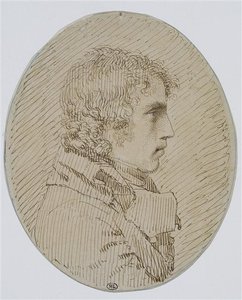
Pierre-Paul Prud'hon
1758 - 1823 , France
Quick Facts
- Artistic Movement Or Style: Neoclassicism & Romanticism
- Artists Or Movements Influenced By This Artist:
- Théodore Géricault
- Delacroix
- Artists Who Influenced This Artist:
- Antonio Canova
- Leonardo da Vinci
- Correggio
- Date Of Birth: April 4, 1758
- Date Of Death: February 16, 1823
- Full Name: Pierre-Paul Prud'hon
- Nationality: French
- Notable Artworks:
- Madame Georges Anthony and her sons
- The Soul Breaking the Links
- The Dream of Happiness
- Crucifixion
- Justice and Divine Vengeance
- Place Of Birth: Cluny, France

