 Preview
 Send
Send Share
Share
 Details

 Download
 Similars
 X-Ray
X-Ray Diaporama
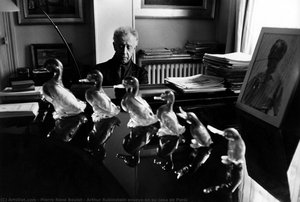
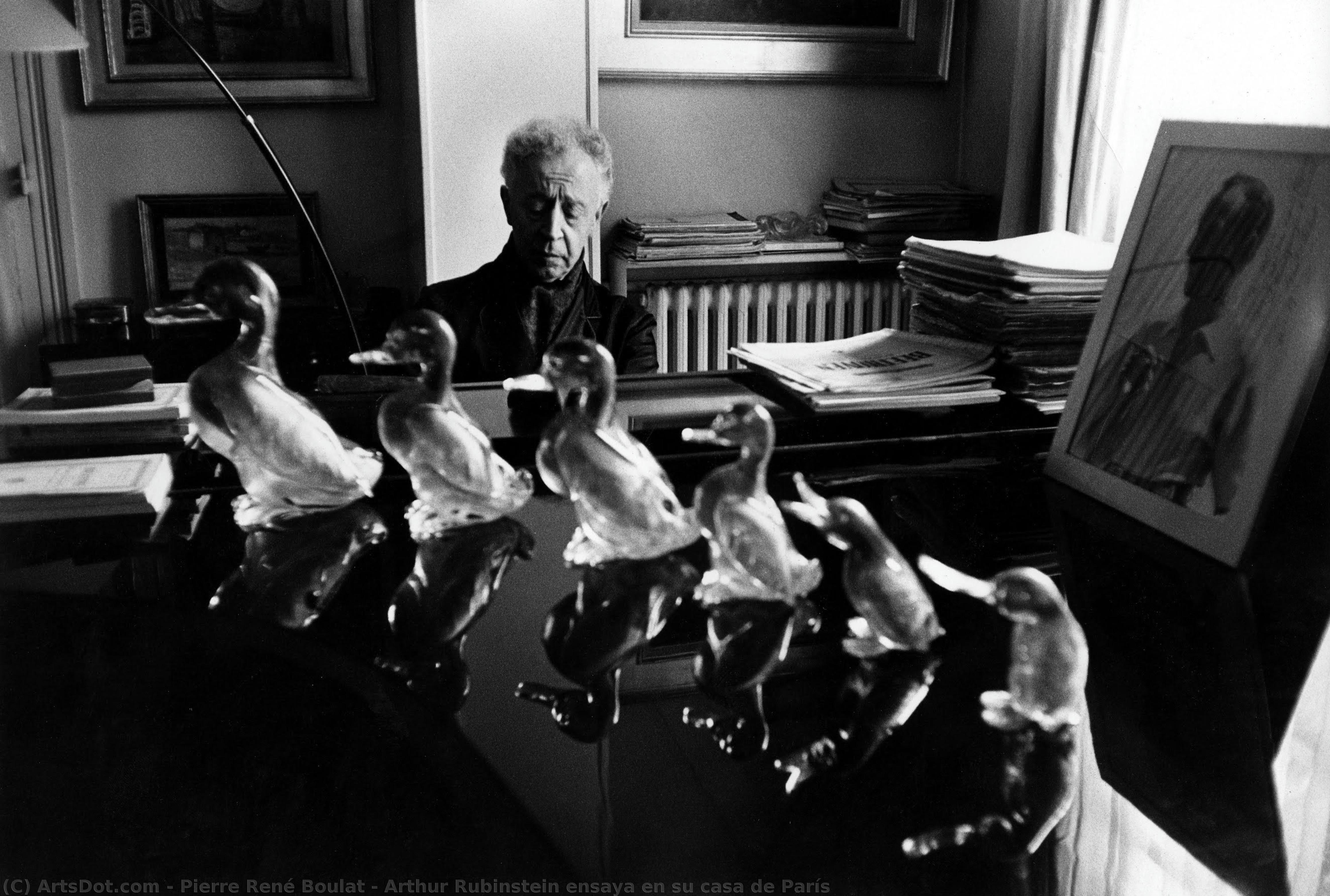
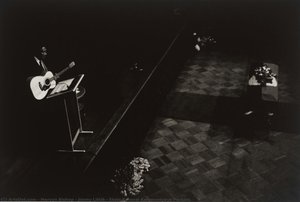
Arthur Rubinstein ensaya en su casa de París
 1959
1959 34.0 x 23.0 cm
 Reina Sofía School of Music
 Read More
Giclée / Art Print
Museum-quality giclée or canvas print with fast production and flexible finish options. ( Buy Hand Made Painting Buy Image)




































Pick from our preset sizes that match the artwork's original proportions.

You may enter your own dimensions to fit a specific frame or space. If your selected size does not match the original image's proportions, we will either crop the artwork or extend the image with a mirrored or solid-fill edge. A digital mockup will be sent for your approval before production begins.
Please note that the on-screen preview does not reflect the actual cropping or extension. Only the mockup will accurately show the final composition.
While custom sizes are available, we recommend selecting a dimension from the predefined list to preserve the original proportions.
Worldwide Delivery () in 2 weeks instead of standard 4/5 weeks. (25 August)

Free Worldwide Express Shipping

High-Quality Linen Canvas

Full Shipping Insurance

Customs Tax Refund Guarantee

True Color Matching Guarantee

60-Day Return Policy (Defects Only)

100% Money-Back Guarantee

Bulk Discount Offer
 Glass option is only available in size under 110 CM

Arthur Rubinstein ensaya en su casa de París
Giclée / Art Print
Reproduction Size
-


Total Price
$ 63
Related Artworks







Artist Biography
A Witness to the Century: The Life and Legacy of Pierre Boulat
Pierre René Boulat, born in Condé-Saint-Liaire, France, in 1924, was more than a photographer; he was a chronicler of his time. Emerging from the shadows of World War II, Boulat dedicated his life to documenting a world grappling with change, conflict, and the enduring spirit of humanity. His career began modestly, working for the journal *Samedi Soir* in post-war France, but it quickly ascended as he became the first Western journalist permitted entry into the Soviet Union in 1955 – a pivotal moment that would define his early work and establish him as a fearless observer on the global stage. This access allowed Boulat to capture a rarely seen glimpse of life behind the Iron Curtain, offering a nuanced perspective during the height of the Cold War. He wasn’t simply taking pictures; he was building bridges through imagery, fostering understanding in an era defined by division.Parisian Life and Global Reportage
The 1950s and 60s saw Boulat evolve into a truly international photojournalist. While his Soviet Union work garnered initial acclaim, he refused to be confined by geographical boundaries or singular narratives. He became a regular contributor to prestigious magazines like *Elle*, *Paris Match*, *Life*, *National Geographic*, and *People*, allowing him to traverse the globe and document events as they unfolded. Boulat’s lens wasn't drawn solely to grand political moments, though he certainly captured those with striking clarity. Equally compelling were his intimate portraits of Parisian life – scenes of everyday existence imbued with a sense of poetry and melancholy. He possessed an uncanny ability to find beauty in the mundane, elevating ordinary people and places to subjects worthy of attention. This duality—the epic scope of global news alongside the quiet intimacy of personal stories—became a hallmark of his style. His work during this period wasn’t about sensationalism; it was about observation, empathy, and a deep respect for the human condition.A Collaborative Spirit and Independent Vision
Boulat's approach to photography was deeply collaborative. He understood that true storytelling often required building trust with his subjects, spending time in their communities, and allowing them to shape the narrative. This commitment to authenticity is evident throughout his extensive body of work. In 1973, he made a conscious decision to work independently, freeing himself from the constraints of magazine assignments and pursuing projects driven by personal passion. This period allowed him greater creative control and enabled him to delve deeper into long-term investigations, resulting in more profound and impactful imagery. He wasn’t chasing headlines; he was following his own artistic compass, guided by a desire to understand the complexities of the world around him.The Enduring Power of Black and White
Boulat almost exclusively worked in black and white, a stylistic choice that profoundly shaped his aesthetic. While color photography was gaining prominence during his career, Boulat remained steadfastly committed to the tonal richness and emotional depth of monochrome imagery. His use of light and shadow wasn’t merely technical; it was symbolic, often mirroring the ambiguities and contradictions inherent in the subjects he photographed. The absence of color forced viewers to focus on form, texture, and emotion, creating a more intimate and contemplative experience. His black-and-white photographs are not simply records of events; they are evocative interpretations that resonate with timeless power.A Legacy Continued
Pierre Boulat passed away in 1998, leaving behind an extraordinary archive of images that continue to captivate and inspire. His daughter, Alexandra Boulat, followed in his footsteps, becoming a renowned photojournalist herself, ensuring the continuation of her father’s legacy. Boulat's work serves as a powerful reminder of the importance of visual storytelling and the enduring responsibility of photographers to bear witness to the human experience. His photographs are not just historical documents; they are works of art that challenge us to confront difficult truths, embrace empathy, and strive for a deeper understanding of our shared world. The impact of his work is visible in countless exhibitions and publications, solidifying his place as one of the most important photojournalists of the 20th century.
pierre rené boulat
1924 - 1998 , France
Quick Facts
- Artistic Movement Or Style: Documentary Photography
- Date Of Birth: 1924
- Date Of Death: 1998
- Full Name: Pierre René Boulat
- Nationality: French
- Place Of Birth: Condé-Saint-Liaire, France