

 Preview
 Send
Send Share
Share
 Details

 Download
 Similars
 X-Ray
X-Ray Diaporama
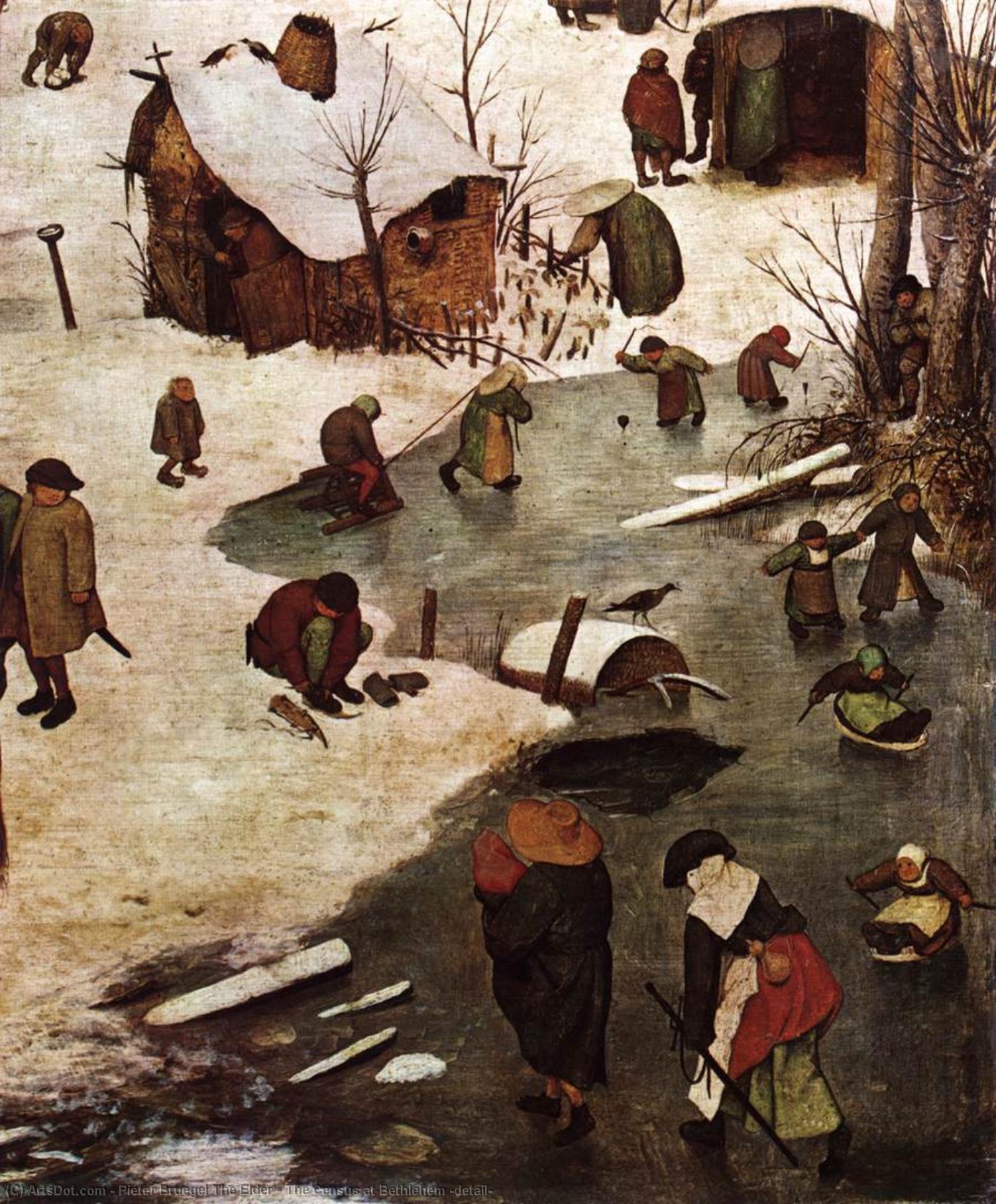
The Census at Bethlehem (detail)


 Read More
Purchase a high-resolution, enhanced digital image, far superior to the online preview.
Each file is meticulously prepared by our in-house specialists using advanced tools and expert manual retouching. We ensure every image has exceptional clarity, precise color accuracy, and fine detail.
The final file is delivered via email within 72 hours, optimized for immediate use in professional, editorial, and print environments. This is the same quality trusted by top-tier design studios, publishers, and galleries.
Digital Image
Download a high-resolution file for personal display, printing, and creative projects. ( Buy Print Buy Hand Made Painting)
Included in Every Digital Image Order
Expert Digital Delivery, Guaranteed
When you choose ArtsDot.com, you're not just getting an image - you're receiving a professionally enhanced digital artwork, crafted with precision and backed by a satisfaction guarantee. Here's everything that comes with your order, automatically:

Fast Email Delivery
Your high-resolution digital image file will be emailed to you within 72 hours of ordering - ready for immediate use.

AI-Enhanced Digital File
Your artwork is professionally optimized using advanced AI tools and manual editing, ensuring maximum detail, clarity, and color accuracy.

Free Lifetime Re-Delivery
Accidentally deleted or lost your file? No worries - we'll resend it to you anytime, free of charge.

No Import Fees - Ever
Enjoy your artwork instantly with zero customs, duties, or delivery fees - digital downloads are always tax-free.

Color Accuracy Guarantee
We ensure your digital image reflects the original colors as closely as possible using professional tools and color management.

60-Day Satisfaction Guarantee
If you're not satisfied with your digital image, we'll revise it or refund 100% within 60 days - no questions asked.

100% Money-Back Guarantee
Not satisfied? Get a full refund within 60 days of receiving your digital file - no questions asked.

Bulk Order Discounts
Buy 3 images, save 10% - Buy 5, save 15% - Buy 10+, save 20%. Great for creative projects, galleries, and agencies.
Collectible Description
The Census at Bethlehem: A Winter’s Tale of Humanity
Pieter Bruegel the Elder's “The Census at Bethlehem” isn’t merely a depiction of a biblical scene; it’s a vibrant, bustling snapshot of everyday life frozen in time – and rendered with an astonishingly detailed realism that pulls you directly into its snowy heart. Completed in 1566, this oil-on-panel masterpiece, now residing within the prestigious Musée Royal des Beaux-Arts de Belgique in Brussels, transcends simple religious illustration to become a profound meditation on humanity’s routines, struggles, and enduring spirit. Bruegel, a master of capturing the nuances of Netherlandish life, transforms a passage from Luke into a microcosm of human activity, inviting us to contemplate our own place within this intricate tapestry of existence. The painting immediately captivates with its sheer scale and density. A vast winter landscape dominates the composition, blanketed in snow that seems to press down on the figures below, creating an atmosphere of both beauty and hardship. The muted palette – primarily whites, browns, and greys – reinforces this sense of coldness and stillness, yet Bruegel masterfully employs subtle shifts in tone and color to bring life to the scene. Notice how the warm glow emanating from the central building contrasts sharply with the surrounding snow, drawing our eye towards the focal point: the scribe diligently recording names while Joseph and Mary navigate the throng. The inclusion of a ruined castle in the background adds an element of timelessness, suggesting that this scene is not just happening now, but has happened before and will happen again. Bruegel’s genius lies not only in his technical skill – evident in the meticulous detail with which he renders every figure, from the weary traveler to the playful children – but also in his masterful use of perspective and composition. The painting sprawls across nearly the entire frame, offering a panoramic view that encompasses a remarkable range of activities and interactions. Each individual is engaged in their own task, creating a dynamic tableau where people walk, sit, interact, and simply exist within this shared space. The artist’s ability to capture such a multitude of perspectives simultaneously speaks volumes about his artistic prowess and his keen observation of human behavior. The placement of the spoked wheel at the center is particularly intriguing, often interpreted as a symbol of fate or the cyclical nature of life – a reminder that we are all caught within its turning gears. Beyond the immediate depiction of daily life, “The Census at Bethlehem” is rich in symbolic meaning. The inclusion of seemingly mundane details—a pig being slaughtered, children playing with snowballs, a beggar seeking alms—elevates these everyday activities to a level of significance. Bruegel subtly critiques societal structures and human nature through this juxtaposition of the sacred and the secular. The presence of the Habsburg eagle, a symbol of imperial authority, hints at the political context of the painting – perhaps a commentary on taxation or bureaucratic control. The scene’s setting in Bethlehem, a town associated with humility and poverty, further underscores Bruegel's message about the dignity of all people. Technically, the painting showcases Bruegel’s mastery of oil on panel. The medium allowed for an extraordinary level of detail and texture, enabling him to create a remarkably three-dimensional effect. His brushstrokes are visible yet controlled, contributing to the overall sense of realism and immediacy. The use of chiaroscuro – the dramatic contrast between light and shadow – further enhances the painting’s impact, creating a sense of depth and atmosphere. The meticulous rendering of textures—the rough bark of trees, the smooth surface of snow, the worn clothing of the figures—adds to the painting's tactile quality, inviting us to reach out and touch it.- Key Elements: A bustling winter scene, a frozen pond/lake, a scribe recording names, Joseph and Mary, various everyday activities.
- Symbolism: The wheel (fate), the Habsburg eagle (authority), the beggar (poverty).
- Technique: Oil on panel, meticulous detail, chiaroscuro, realistic textures.
Pieter Bruegel the Elder: A Portrait of a Renaissance Master
Born in Breda around 1525 and tragically dying in 1569, Pieter Bruegel the Elder was a pivotal figure in the transition from Early to High Netherlandish painting. He wasn’t merely an artist; he was a keen observer of human nature, capturing the essence of everyday life with unparalleled detail and insight. His early training under Pieter Coecke van Aelst provided him with a solid foundation in design and technique, while his travels throughout Europe exposed him to diverse cultures and artistic styles. Bruegel’s work is characterized by its realism, humor, and social commentary—qualities that cemented his legacy as one of the greatest artists of the Renaissance. His ability to blend religious themes with secular observations created a unique and enduring style that continues to captivate audiences today.The Musée Royal des Beaux-Arts de Belgique: A Treasure Trove of Masterpieces
“The Census at Bethlehem” is just one of many exceptional works housed within the Musée Royal des Beaux-Arts de Belgique in Brussels, a museum renowned for its extensive collection of Old Masters. Founded in 1831, the museum boasts an impressive array of paintings, sculptures, and decorative arts spanning centuries of artistic achievement. Beyond Bruegel’s masterpiece, visitors can explore works by Rubens, Jan van Eyck, and other prominent Flemish artists. The museum's commitment to preserving and showcasing these cultural treasures makes it a must-visit destination for art lovers and history enthusiasts alike.Bringing “The Census at Bethlehem” Home: Reproductions Available
ArtsDot offers meticulously crafted, hand-painted reproductions of Pieter Bruegel the Elder’s “The Census at Bethlehem,” allowing you to bring this iconic masterpiece into your own home or office. Our skilled artists replicate the painting's intricate details and vibrant colors with exceptional accuracy, ensuring that your reproduction captures the essence of Bruegel’s genius. Available in a range of sizes and framing options, our reproductions provide an authentic and affordable way to experience the beauty and significance of this timeless work of art. View the detailed image of The Census at Bethlehem (detail), or explore other Brueghel masterpieces on our website: Here.Related Artworks
Artist Biography
A Life Rooted in Renaissance Transformation
Pieter Bruegel the Elder emerged during a period of profound change, a time when the artistic landscape of Europe was shifting from the High Renaissance ideals of Italy towards the burgeoning complexities of Northern European expression. Born sometime between 1525 and 1530, likely in Breda – though details surrounding his early life remain somewhat elusive – Bruegel’s formative years unfolded amidst religious upheaval and a flourishing merchant culture. He began his artistic journey around 1545 as an apprentice to Pieter Coecke van Aelst, a respected Antwerp painter known for both his artistry and his designs for tapestries. This apprenticeship provided Bruegel with a solid grounding in the technical skills of oil painting and drawing, but perhaps more importantly, it exposed him to the humanist currents that were beginning to permeate intellectual circles. Van Aelst’s workshop was not merely a place of artistic instruction; it was a crucible where traditional techniques met new ideas, shaping Bruegel's future vision.Wanderings and the Forging of a Unique Vision
Following his apprenticeship, Bruegel embarked on extensive travels that would indelibly mark his artistic development. Between 1551 and 1553, he journeyed through France, Switzerland, and Italy, sketching landscapes and immersing himself in diverse cultures. These were not mere sightseeing trips; they were expeditions of observation and learning. While in Italy, Bruegel encountered the works of Renaissance masters, yet his artistic temperament remained distinctly Northern European. He didn’t simply adopt Italianate styles but rather absorbed their influence and filtered them through his own unique sensibility. The Alps, with their dramatic peaks and valleys, left a lasting impression, influencing the compositional structure and atmospheric perspective found in many of his later landscapes. Upon returning to Antwerp in 1553, he was admitted as a free master into the Guild of Saint Luke, signifying his professional independence and establishing him as a recognized artist within the vibrant artistic community of the city.Beyond Myth and Religion: A New Focus for Art
Bruegel’s true innovation lay in his subject matter. He boldly departed from the established conventions of Renaissance painting, which often focused on religious narratives or classical mythology. Instead, he turned his attention to the everyday lives of ordinary people – peasants laboring in fields, villagers celebrating festivals, hunters traversing snowy landscapes. This wasn't a rejection of traditional themes but rather an elevation of the mundane to the level of high art. His landscapes were not merely backdrops; they were active participants in the narrative, often imbued with symbolic meaning and reflecting a deep understanding of nature’s power and beauty. The Triumph of Death, for example, is a chilling vision of human mortality, while paintings like Peasant Wedding offer remarkably detailed and nuanced portrayals of rural life, devoid of sentimental idealization. He masterfully employed chiaroscuro – the dramatic interplay of light and shadow – to create depth, realism, and emotional resonance in his compositions. His scenes weren’t necessarily critical; they were realistic observations, capturing both the humor and hardship inherent in human existence.Lasting Legacy: An Influence Across Centuries
Pieter Bruegel the Elder's influence on subsequent generations of artists is undeniable. He laid the groundwork for the Dutch Golden Age painters, inspiring artists like Isaac van Ostade and Adriaen Brouwer with his realistic depictions of peasant life. His innovative approach to landscape painting also paved the way for later developments in the genre, influencing artists who sought to capture the beauty and grandeur of the natural world. Beyond painting, Bruegel’s work has continued to resonate with modern audiences, appearing in films like Andrei Tarkovsky's Solaris (1972) and Lars von Trier’s Melancholia (2011), demonstrating the enduring power of his imagery. His paintings offer a timeless reflection on the human condition – our relationship with nature, our struggles with mortality, and our capacity for both joy and sorrow. He died in Brussels in 1569 at the relatively young age of forty-three, leaving behind a body of work that continues to captivate and inspire, solidifying his place as one of the most important figures in the history of art.Notable Works and Enduring Themes
- Landscape with the Flight into Egypt: A serene yet subtly symbolic depiction of the Holy Family’s journey, showcasing Bruegel's mastery of atmospheric perspective.
- The Triumph of Death: A haunting and apocalyptic vision of mortality, filled with grotesque imagery and a sense of impending doom.
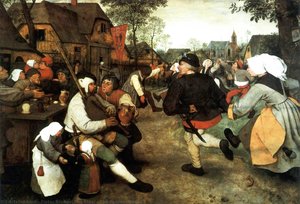
- Peasant Wedding: A vibrant and detailed portrayal of rural life, capturing the boisterous energy and social customs of a Flemish village.
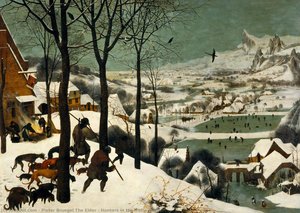
- Hunters in the Snow: Part of a series depicting the seasons, this iconic painting is celebrated for its atmospheric beauty and realistic depiction of winter landscapes.
- The Tower of Babel: A monumental work illustrating human ambition and divine judgment, showcasing Bruegel’s skill in creating complex compositions with intricate details.
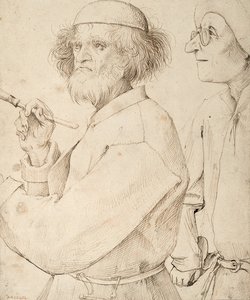
Pieter Bruegel the Elder
1525 - 1569 , Belgium
Quick Facts
- Artistic Movement Or Style: Renaissance painting
- Artists Or Movements Influenced By This Artist: ['Dutch Golden Age painting']
- Artists Who Influenced This Artist: ['Hieronymus Bosch']
- Date Of Birth: c. 1525
- Date Of Death: 1569
- Full Name: Pieter Bruegel the Elder
- Nationality: Flemish
- Notable Artworks:
- Landscape with the Flight into Egypt
- The Triumph of Death
- Peasant Wedding
- Hunters in the Snow
- The Tower of Babel
- Place Of Birth: Breda, Netherlands


