 Preview
 Send
Send Share
Share
 Details

 Download
 Similars
 X-Ray
X-Ray Diaporama
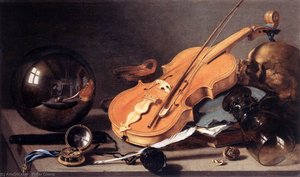
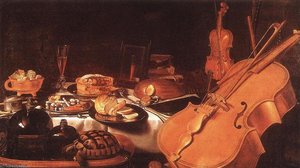
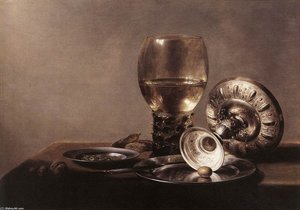
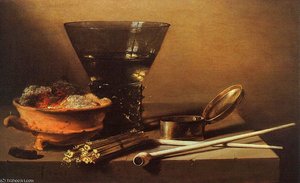
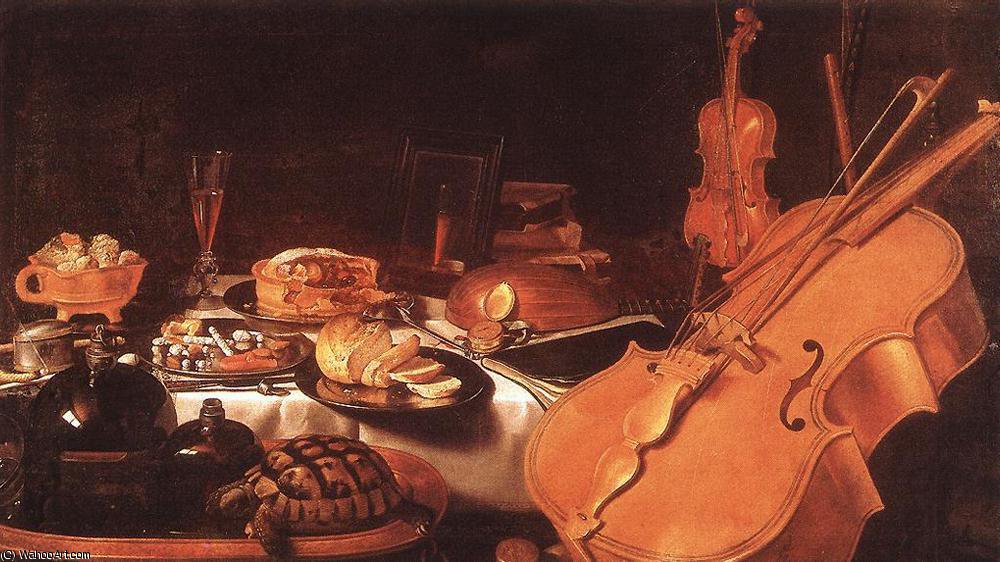
Still Life with Musical Instruments
 Read More
Hand Made Oil Reproduction
Hand-painted oil on canvas in your size and frame, made to order by our artists. ( Buy Print Buy Image)




































Pick from our preset sizes that match the artwork's original proportions.

You may enter your own dimensions to fit a specific frame or space. If your selected size does not match the original image's proportions, we will either crop the artwork or extend the painting with additional hand-painted elements. A digital mockup will be sent for your approval before production begins.
Please note that the on-screen preview does not reflect the actual cropping or extension. Only the mockup will accurately show the final composition.
While custom sizes are available, we recommend selecting a dimension from the predefined list to preserve the original proportions.
After order, ArtsDot.com team will email client for instructions and provide a mockup preview
Worldwide Delivery () in 3/4 weeks instead of standard 5 weeks. (17 August). No compromise on quality.

Free Worldwide Express Shipping

High-Quality Linen Canvas

Full Shipping Insurance

Customs Tax Refund Guarantee

True Color Matching Guarantee

60-Day Return Policy (Defects Only)

100% Money-Back Guarantee

Bulk Discount Offer
 Glass option is only available in size under 110 CM

Still Life with Musical Instruments
Reproduction Medium
Reproduction Size
-


Total Price
$ 263
Related Artworks
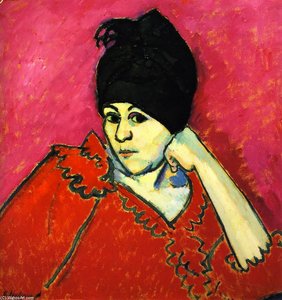
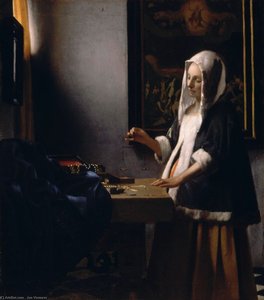
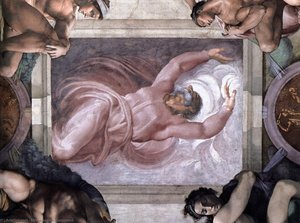
Artist Biography
Pieter Claesz: The Poet of Still Life
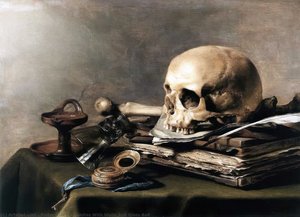
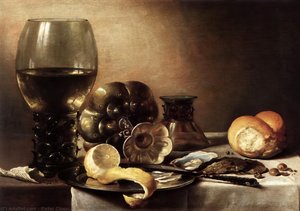
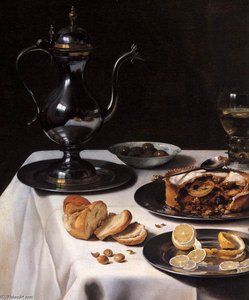
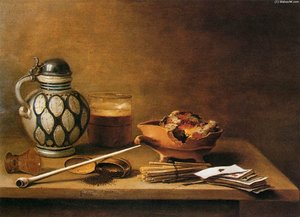
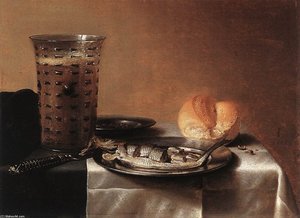
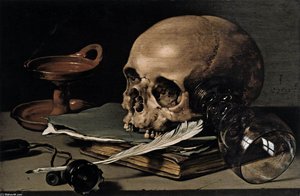
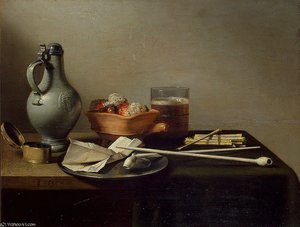
Pieter Claesz (c. 1597 – January 1, 1660) stands as a singular figure in the Dutch Golden Age, celebrated not for grand landscapes or dramatic portraits but for an astonishing level of understated beauty and psychological insight achieved within the confines of the still life genre. He wasn’t merely depicting objects; he was crafting meditations on mortality, memory, and the fleeting nature of existence—a preoccupation that cemented his place as a pioneer of ‘vanitas,’ a visual tradition reflecting upon human vanity and the inevitability of death. Born in Berchem, Belgium, Claesz's early life remains shrouded in relative obscurity. He apprenticed under Hendrick Golconda, honing his skills alongside other prominent artists of Antwerp’s vibrant artistic milieu. By 1620, he relocated to Haarlem, a city brimming with intellectual ferment and burgeoning commercial prosperity—a move that would prove pivotal to his career and artistic evolution. Here, he established himself as a respected painter and teacher, fostering the talents of his son, Nicolaes Pieterszoon Berchem, who would later become a celebrated landscape artist in his own right. Claesz’s distinctive style emerged from a profound engagement with Caravaggio's dramatic chiaroscuro technique—though unlike Caravaggio’s theatrical contrasts, Claesz favored subtle gradations of light and shadow to imbue his compositions with an ethereal quality. He meticulously rendered textures – the velvety sheen of fruit skins, the delicate folds of drapery, the rough surface of pewter – capturing not just visual appearance but also conveying a palpable sense of atmosphere. This painstaking attention to detail wasn’t merely decorative; it served as a conduit for conveying deeper philosophical ideas. The hallmark of Claesz's oeuvre is undoubtedly his “breakfast pieces,” or ontbijtstukken, which gained immense popularity during his lifetime and continue to captivate audiences today. These meticulously arranged scenes depict commonplace objects – bread crusts, pewter goblets, lemons, skulls—presented with a deliberate simplicity that belies their symbolic weight. The muted palette—often dominated by browns, ochres, and creams—creates an illusion of depth and luminosity, drawing the viewer into a contemplative space where earthly pleasures coexist uneasily with reminders of mortality. A single skull, positioned prominently within the composition, serves as a poignant emblem of human fragility and the ultimate triumph of death over life. Claesz’s influence extended far beyond Haarlem's artistic circles. He was recognized as a teacher by Rembrandt Harmenszoon van Rijn, cementing his reputation as one of the era’s foremost artists. His meticulous observation of nature—evident in works like “Group of Four Children”—demonstrated an unwavering commitment to realism and psychological accuracy. Furthermore, Claesz's artistic vision anticipated developments in Baroque art that would soon emerge across Europe. He skillfully blended Caravaggio’s dramatic chiaroscuro with Hals’s naturalistic style, establishing a unique aesthetic tradition characterized by understated elegance and profound contemplation—a legacy that continues to inspire artists and scholars alike. Claesz died in Haarlem in 1660, leaving behind a substantial body of work that exemplifies the best qualities of Dutch Golden Age painting. His enduring fascination with vanitas themes—coupled with his masterful technique—solidifies his position as one of the most important figures in the history of still life art and ensures that his paintings will continue to resonate with viewers for generations to come.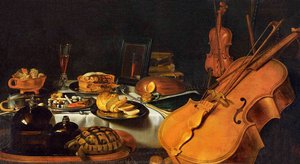
pieter claesz
1597 - 1660
Quick Facts
- Artistic Movement Or Style: Baroque
- Artists Or Movements Influenced By This Artist: ['Vanitas']
- Artists Who Influenced This Artist: ['Rubens']
- Date Of Death: 1660
- Full Name: Pieter Claesz
- Nationality: Dutch
- Notable Artworks:
- Still Life with a Salt
- Group of Four Children
- Place Of Birth: Berchem, Belgium