 Preview
 Send
Send Share
Share
 Details

 Download
 Similars
 X-Ray
X-Ray Diaporama
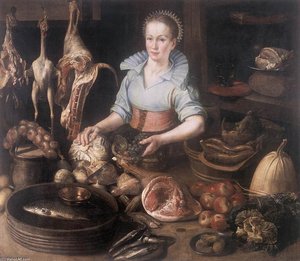
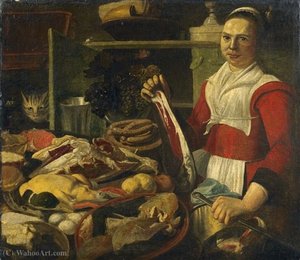
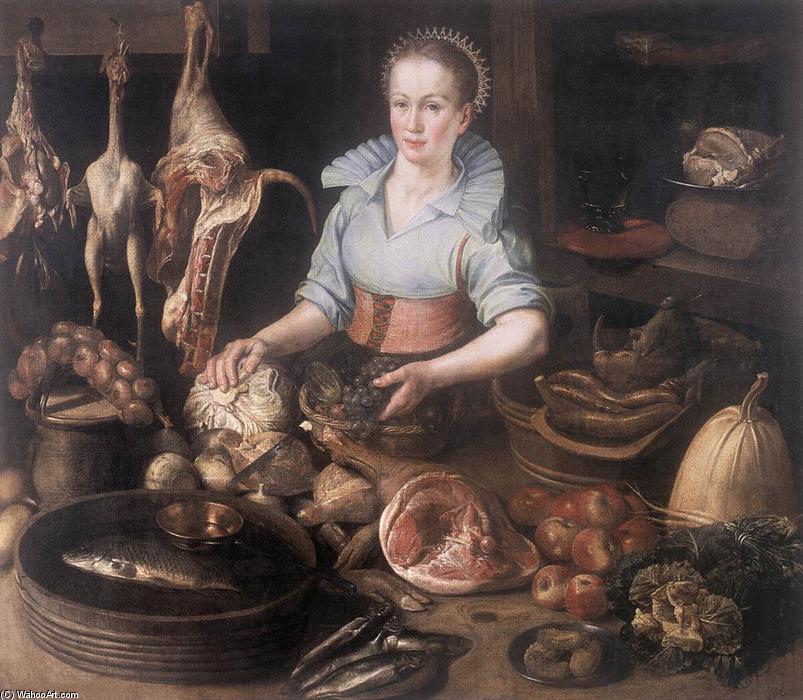
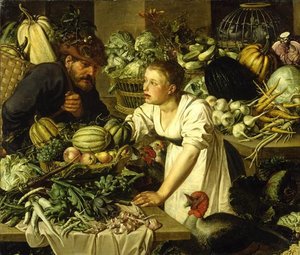
The Kitchen Maid
 1628
1628 115.0 x 133.0 cm
 Museum voor Schone Kunsten
 Read More
Giclée / Art Print
Museum-quality giclée or canvas print with fast production and flexible finish options. ( Buy Hand Made Painting Buy Image)




































Pick from our preset sizes that match the artwork's original proportions.

You may enter your own dimensions to fit a specific frame or space. If your selected size does not match the original image's proportions, we will either crop the artwork or extend the image with a mirrored or solid-fill edge. A digital mockup will be sent for your approval before production begins.
Please note that the on-screen preview does not reflect the actual cropping or extension. Only the mockup will accurately show the final composition.
While custom sizes are available, we recommend selecting a dimension from the predefined list to preserve the original proportions.
Worldwide Delivery () in 2 weeks instead of standard 4/5 weeks. (20 August)

Free Worldwide Express Shipping

High-Quality Linen Canvas

Full Shipping Insurance

Customs Tax Refund Guarantee

True Color Matching Guarantee

60-Day Return Policy (Defects Only)

100% Money-Back Guarantee

Bulk Discount Offer
 Glass option is only available in size under 110 CM

The Kitchen Maid
Giclée / Art Print
Reproduction Size
-


Total Price
$ 63
Collectible Description
Composition and Symbolism
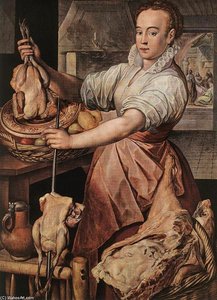
The painting features a young woman standing in the foreground, dressed in a blue dress with a white collar and cuffs, indicating her role as a maid or servant. She holds a basket filled with fruits such as apples and pears, suggesting that she is preparing for a meal or gathering. The background of the painting reveals a kitchen scene, complete with scattered fruits, a knife on the table, and two birds hanging from a hook. Light and shadow play a crucial role in this painting, adding depth and dimension to the scene. The artist's use of chiaroscuro creates a sense of warmth and coziness, drawing the viewer into the intimate world of the kitchen maid. The attention to detail in the woman's attire and the objects surrounding her is also noteworthy, showcasing the artist's skill in capturing the nuances of everyday life.Artistic Style and Influences
The Kitchen Maid is characteristic of the Dutch Golden Age style, which emphasized detailed depictions of ordinary life. Pieter Cornelisz Van Rijck's work was influenced by other notable artists of the time, including Pieter Cornelisz Van Rijck and The Kitchen Maid. For more information on the artist and his works, visit ArtsDot.com.- View more paintings by Pieter Cornelisz Van Rijck at ArtsDot.com
- Learn about the Museum voor Schone Kunsten and its collection at ArtsDot.com
- Discover more about the Dutch Golden Age and its artists on Wikipedia
The Kitchen Maid is a remarkable example of Dutch Golden Age painting, showcasing the artist's skill in capturing the beauty of everyday life. With its rich colors, intricate details, and captivating composition, this painting is a must-see for art lovers and historians alike.
Related Artworks
Artist Biography
The Master of the Domestic Interior
Pieter Cornelisz van Rijck (1567 – c. 1637) stands as a pivotal figure in the Dutch Golden Age, recognized primarily for his masterful depictions of domestic interiors—particularly kitchen scenes—that captured the essence of everyday life with remarkable detail and psychological insight. Unlike many of his contemporaries who focused on grand portraits or mythological subjects, van Rijck dedicated himself to portraying ordinary moments, establishing him as one of the earliest practitioners of genre painting in Holland. This stylistic choice distinguishes him from artists like Floris van Dijck and Jan Steen, whose works similarly explored the realities of domestic life but often leaned towards theatricality and heightened emotion.
His artistic journey began in Delft, where he honed his skills under the tutelage of Hendrick Cornelis Boelen, a renowned painter known for his landscapes and portraits. Early influences included the Flemish Baroque tradition, notably the work of Jacob Bassano, whom van Rijck admired greatly and with whom he engaged in spirited discussions about painting techniques and artistic vision. This connection to Bassano’s style is evident in van Rijck's compositions—characterized by a luminous palette, subtle chiaroscuro effects, and an emphasis on capturing atmospheric conditions—reflecting the Venetian aesthetic that was gaining prominence during his formative years.
A Journey Through Europe's Artistic Hubs
Van Rijck’s career unfolded across several important artistic centers: Delft, Haarlem, and Venice. This movement through the great cultural landscapes of Europe allowed him to synthesize diverse traditions into a unique personal style. He secured commissions from prominent patrons like Willem van Rosenburgh and Pieter Pauwelrecht, producing a diverse body of work encompassing portraits, kitchen pieces, and market scenes. His ability to elevate the mundane to the level of high art allowed him to bridge the gap between simple observation and profound narrative.
One of his most enduring legacies is found in his ability to infuse stillness with meaning. In works such as Kitchen Scene with the Supper at Emmaus, painted around 1605, he transcends mere genre painting to create a poignant meditation on faith, community, and the quiet dignity of ordinary moments. This capacity to find the sacred within the secular became a hallmark of his contribution to the Baroque era.
Legacy and Artistic Significance
The historical significance of Pieter Cornelisz van Rijck lies in his role as a pioneer of the genre painting movement. By focusing on the textures of food, the play of light on ceramic, and the humble attire of servants, he helped pave the way for the later, more famous masters of Dutch realism. His work serves as a meticulously crafted window into the heart of 17th-century Dutch domesticity.
Notable highlights of his artistic output include:
- The Kitchen Maid: A captivating oil on canvas from 1628, currently housed in the Museum voor Schone Kunsten in Ghent, which showcases his skill in using light and shadow to create warmth and intimacy.
- Market Scenes: Vibrant depictions of commerce and daily labor that reflect the burgeoning economic prosperity of the Netherlands.
- Still Life Innovations: An early mastery of depicting organic textures, from the skin of a pear to the weight of hanging poultry, which influenced generations of still life painters.
Through his commitment to portraying the beauty found in the overlooked, van Rijck ensured that the quiet corners of the Dutch home would be immortalized with grace and lasting artistic merit.
Pieter Cornelisz van Rijck
1567 - 1637 , Netherlands
Quick Facts
- Artistic Movement Or Style: Baroque painting
- Artists Or Movements Influenced By This Artist: Italian Masters
- Artists Who Influenced This Artist: Jacopo Bassano
- Date Of Birth: Delft, Netherlands (1567)
- Date Of Death: c. 1637
- Full Name: Pieter Cornelisz van Rijck
- Nationality: Dutch
- Notable Artworks:
- The Kitchen Maid
- Kitchen Interior With The Parable Of The Rich Man And The Poor Lazarus.
- Still Life With Two Figures
- Place Of Birth: Delft