 Preview
 Send
Send Share
Share
 Details

 Download
 Similars
 X-Ray
X-Ray Diaporama
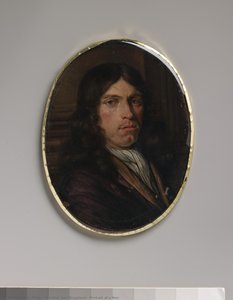
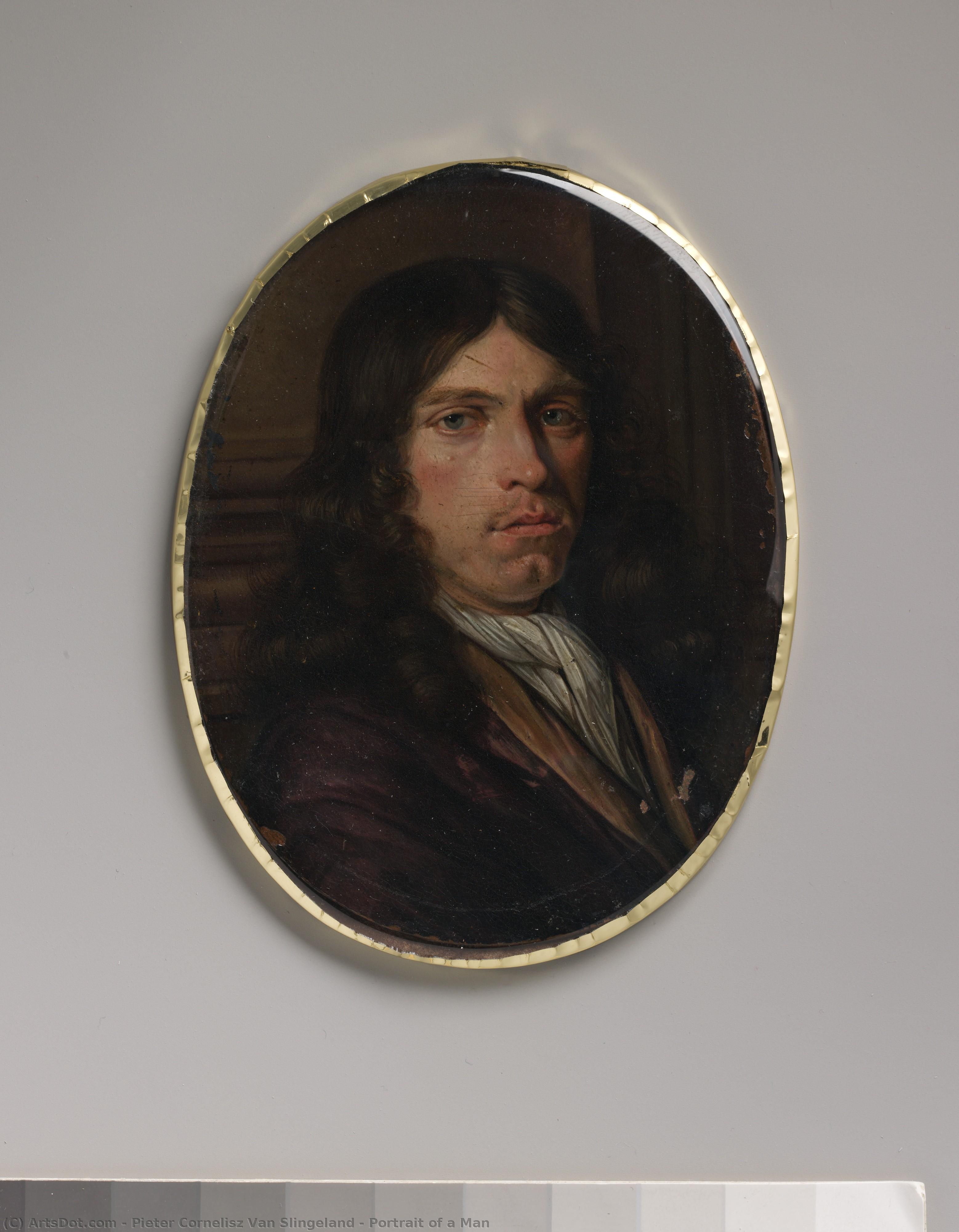
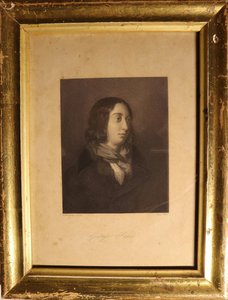
Portrait of a Man
 1680
1680 9.0 x 6.0 cm
 Read More
Hand Made Oil Reproduction
Hand-painted oil on canvas in your size and frame, made to order by our artists. ( Buy Print Buy Image)




































Pick from our preset sizes that match the artwork's original proportions.

You may enter your own dimensions to fit a specific frame or space. If your selected size does not match the original image's proportions, we will either crop the artwork or extend the painting with additional hand-painted elements. A digital mockup will be sent for your approval before production begins.
Please note that the on-screen preview does not reflect the actual cropping or extension. Only the mockup will accurately show the final composition.
While custom sizes are available, we recommend selecting a dimension from the predefined list to preserve the original proportions.
After order, ArtsDot.com team will email client for instructions and provide a mockup preview
Worldwide Delivery () in 3/4 weeks instead of standard 5 weeks. (26 August). No compromise on quality.

Free Worldwide Express Shipping

High-Quality Linen Canvas

Full Shipping Insurance

Customs Tax Refund Guarantee

True Color Matching Guarantee

60-Day Return Policy (Defects Only)

100% Money-Back Guarantee

Bulk Discount Offer
 Glass option is only available in size under 110 CM

Portrait of a Man
Reproduction Medium
Reproduction Size
-


Total Price
$ 263
Related Artworks







Artist Biography
The Enigmatic Vision of Cornelisz Van Slingeland
Cornelisz Van Slingeland, a name whispered amongst connoisseurs and scholars of the Dutch Golden Age, represents a fascinating anomaly in the landscape of 17th-century painting. Unlike his more celebrated contemporaries – Rembrandt, Vermeer, Hals – Van Slingeland’s life remains shrouded in mystery, documented primarily through surviving works and sparse archival records. Born into a relatively prosperous family around 1600 (the exact date is debated), he appears to have enjoyed a comfortable upbringing that allowed for artistic training, though the identity of his master remains unknown. This lack of concrete biographical detail contributes significantly to the allure surrounding his oeuvre; each painting feels like a carefully guarded secret, a glimpse into the soul of an artist who deliberately cultivated an air of elusiveness. He is believed to have lived and worked primarily in Leiden, a bustling center for cloth production and intellectual life, though evidence suggests periods spent traveling throughout Holland and possibly even further afield. His death date is also uncertain, with estimates ranging from the 1640s to the early 1650s, leaving a relatively short but intensely focused artistic career open to speculation.A Style Defined by Subtlety and Symbolism
Van Slingeland’s paintings are immediately recognizable for their distinctive style – a masterful blend of realism and allegory. He eschewed the dramatic chiaroscuro favored by Rembrandt in favor of a softer, more diffused light that imbues his scenes with an almost ethereal quality. His compositions, often featuring intimate domestic interiors or tranquil landscapes, are characterized by meticulous attention to detail and a remarkable ability to capture the textures and qualities of everyday objects. However, beneath this surface realism lies a complex network of symbolism. Van Slingeland was not merely depicting what he saw; he was constructing visual narratives laden with hidden meanings, drawing upon a rich tradition of Dutch iconography. Common motifs – wilting flowers representing mortality, musical instruments symbolizing harmony or discord, and open windows alluding to the fleeting nature of time – recur throughout his work, inviting viewers to engage in a deeper contemplation of life’s ephemeral beauty and inherent fragility. His use of color is particularly noteworthy, employing muted earth tones punctuated by carefully chosen accents that draw the eye and enhance the emotional resonance of each scene.Influences and Artistic Development
Pinpointing Van Slingeland's artistic influences proves a challenging task, given the scarcity of information about his early training. However, scholars have identified potential connections to several prominent Leiden painters, including Gerrit van Honthorst and Jan Lievens, both known for their Caravaggesque tendencies in their earlier works. It is likely that Van Slingeland initially experimented with similar dramatic lighting effects before developing his own unique style characterized by greater subtlety and restraint. The influence of Pieter Claesz, a master of still life painting, is also evident in Van Slingeland’s meticulous rendering of textures and objects.- Early works demonstrate a clear debt to the Leiden *tronie* tradition – studies of character types rather than portraits – focusing on expressive faces and dramatic lighting.
- Around the 1630s, his style began to mature, incorporating more complex compositions and allegorical elements.
- His later paintings exhibit a refined sense of harmony and balance, with an increased emphasis on atmospheric effects and psychological nuance.