

 Preview
 Send
Send Share
Share
 Details

 Download
 Similars
 X-Ray
X-Ray Diaporama
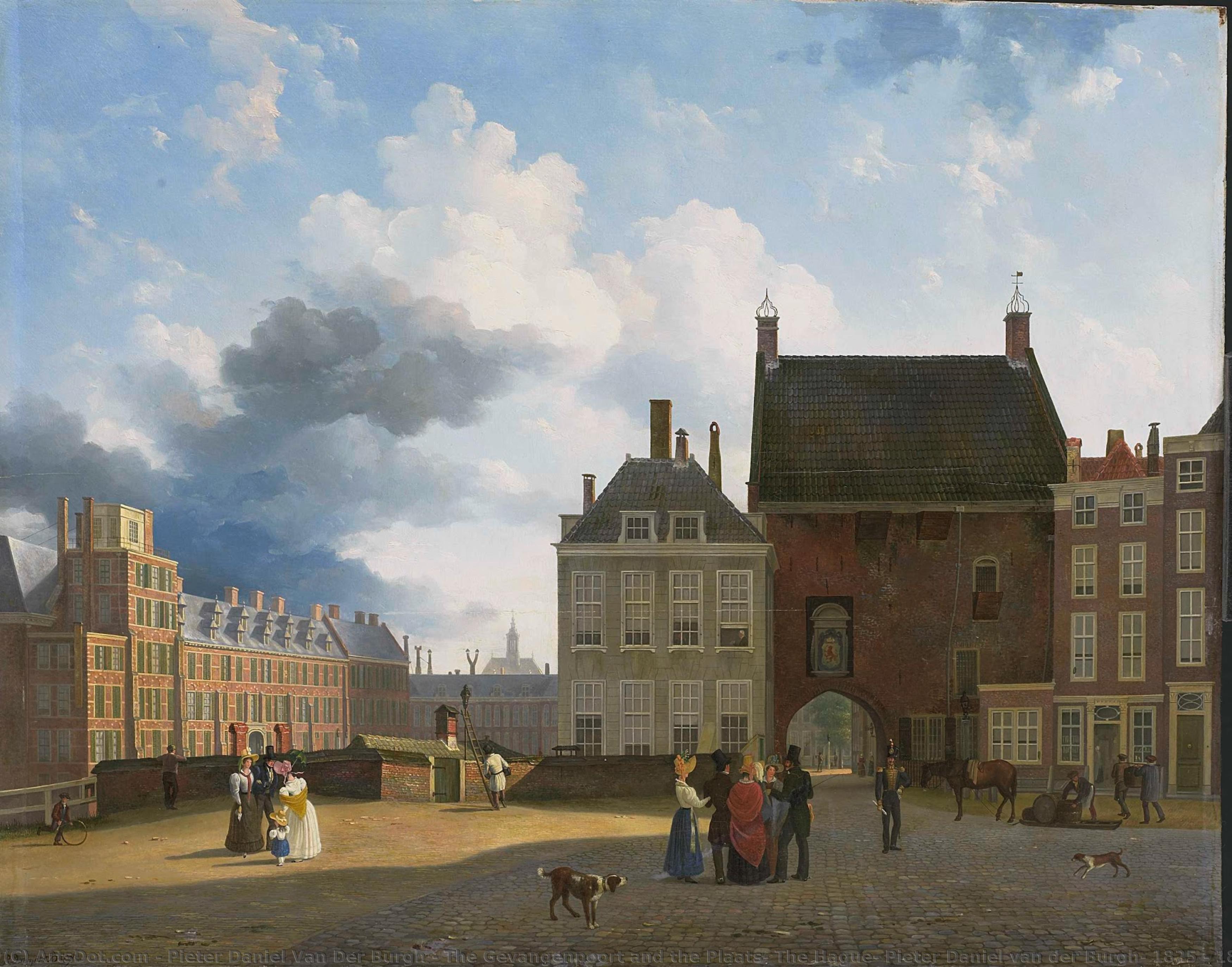
The Gevangenpoort and the Plaats, The Hague, Pieter Daniel van der Burgh, 1825 - 1860
 1860
1860 48.0 x 60.0 cm
 Read More
Purchase a high-resolution, enhanced digital image, far superior to the online preview.
Each file is meticulously prepared by our in-house specialists using advanced tools and expert manual retouching. We ensure every image has exceptional clarity, precise color accuracy, and fine detail.
The final file is delivered via email within 72 hours, optimized for immediate use in professional, editorial, and print environments. This is the same quality trusted by top-tier design studios, publishers, and galleries.
Digital Image
Download a high-resolution file for personal display, printing, and creative projects. ( Buy Print Buy Hand Made Painting)
Included in Every Digital Image Order
Expert Digital Delivery, Guaranteed
When you choose ArtsDot.com, you're not just getting an image - you're receiving a professionally enhanced digital artwork, crafted with precision and backed by a satisfaction guarantee. Here's everything that comes with your order, automatically:

Fast Email Delivery
Your high-resolution digital image file will be emailed to you within 72 hours of ordering - ready for immediate use.

AI-Enhanced Digital File
Your artwork is professionally optimized using advanced AI tools and manual editing, ensuring maximum detail, clarity, and color accuracy.

Free Lifetime Re-Delivery
Accidentally deleted or lost your file? No worries - we'll resend it to you anytime, free of charge.

No Import Fees - Ever
Enjoy your artwork instantly with zero customs, duties, or delivery fees - digital downloads are always tax-free.

Color Accuracy Guarantee
We ensure your digital image reflects the original colors as closely as possible using professional tools and color management.

60-Day Satisfaction Guarantee
If you're not satisfied with your digital image, we'll revise it or refund 100% within 60 days - no questions asked.

100% Money-Back Guarantee
Not satisfied? Get a full refund within 60 days of receiving your digital file - no questions asked.

Bulk Order Discounts
Buy 3 images, save 10% - Buy 5, save 15% - Buy 10+, save 20%. Great for creative projects, galleries, and agencies.
Related Artworks





Artist Biography
Early Life and Artistic Training
Pieter Daniel van der Burgh (1805–1879) was born in The Hague, Netherlands, into a family of candlemakers—a profession that would subtly shape his artistic sensibilities. His father, Hendrik van der Burgh, himself a respected painter, instilled in Pieter the foundational principles of visual art through direct instruction and exposure to influential contemporary painters like Jacob Duck and Cornelis Duyster. Notably, Hendrick’s marriage to Pieter de Hooch’s sister, Jannetge, created a familial connection that further enriched Pieter's artistic environment—a milieu characterized by meticulous observation and a dedication to capturing the nuances of domestic life. The Van der Burgh family relocated to Voorburg and subsequently Delft, where Pieter absorbed the atmosphere of Delft’s burgeoning artistic community, solidifying his commitment to mastering the techniques of genre painting. Records indicate that he joined the Guild of Saint Luke in Delft on January 25th, 1649, demonstrating a deliberate embrace of established artistic traditions and signaling his intention to pursue a professional career.Career Development and Artistic Style
Van der Burgh’s artistic trajectory unfolded across Leiden and Amsterdam during the mid-17th century. He married Cornelia Cornelisdr van Rossum in November 1655, establishing a family life that provided stability amidst the turbulent currents of Dutch Baroque art. His relocation to Leiden coincided with an intensification of his engagement with fellow artists—particularly Pieter de Hooch—whose courtyard scenes served as a significant source of inspiration. Sources describe Van der Burgh’s style as “eclectic,” “derivative rather than original,” and “charming.” While acknowledging influences from masters like Duck, Duyster, and Palamedesz., scholars emphasize that Van der Burgh's compositions resonated deeply with De Hooch’s aesthetic—specifically the careful perspectival construction and contre-jour lighting evident in works such as "A Woman and Child at a Window." This stylistic convergence underscores the pervasive impact of Delft School conventions on Van der Burgh’s oeuvre.Notable Works and Influences
Pieter Daniel van der Burgh achieved recognition for his depictions of interior spaces—particularly guardroom scenes—which meticulously rendered details of daily life within aristocratic residences. His canvases captured the quiet dignity of formal gatherings, reflecting a fascination with portraying human interaction against serene backgrounds. The artist’s penchant for capturing atmospheric effects—such as diffused light and subtle shading—demonstrates an astute understanding of artistic principles honed through observation and emulation. Furthermore, Van der Burgh's work reflects the broader stylistic trends of Delft School painters, who prioritized realism and psychological depth in their representations of domestic interiors.Legacy and Historical Significance
Though his output remained modest compared to contemporaries like Rembrandt or Vermeer, Pieter Daniel van der Burgh nonetheless played a crucial role in shaping the visual culture of Delft during its golden age. His canvases stand as testament to the enduring appeal of genre painting—a genre that continues to captivate audiences today with its ability to convey emotion and capture the essence of everyday life. Van der Burgh’s artistic legacy resides not merely in his individual paintings but also in their contribution to the collective aesthetic sensibilities of Delft’s artistic elite, cementing his place as a significant figure within Dutch Baroque art history.Further Exploration
For a deeper understanding of Pieter Daniel van der Burgh's artistic achievements and influences, consider visiting The Museum Mayer van den Bergh, where reproductions of his celebrated landscapes—including “The Gevangenpoort and the Plaats”—offer invaluable insight into his stylistic vision. Examining related works by Hugo van der Goes and Rogier van der Weyden provides context for appreciating Van der Burgh’s engagement with broader artistic currents shaping Early Netherlandish painting.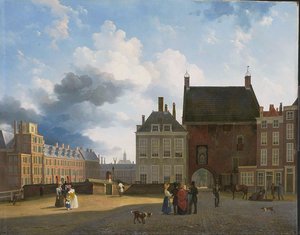
pieter daniel van der burgh
1805 - 1879 , Netherlands
Quick Facts
- Artistic Movement Or Style: Romantic landscape
- Artists Or Movements Influenced By This Artist:
- Hugo van der Goes
- Rogier van der Weyden
- Artists Who Influenced This Artist: ['Hendrik van der Burgh']
- Date Of Birth: The Hague, Netherlands (1805)
- Date Of Death: 1879
- Full Name: Pieter Daniel van der Burgh
- Nationality: Dutch
- Notable Artworks: ['The Gevangenpoort and the Plaats, The Hague']
- Place Of Birth: WahooArt

