

 Preview
 Send
Send Share
Share
 Details

 Download
 Similars
 X-Ray
X-Ray Diaporama
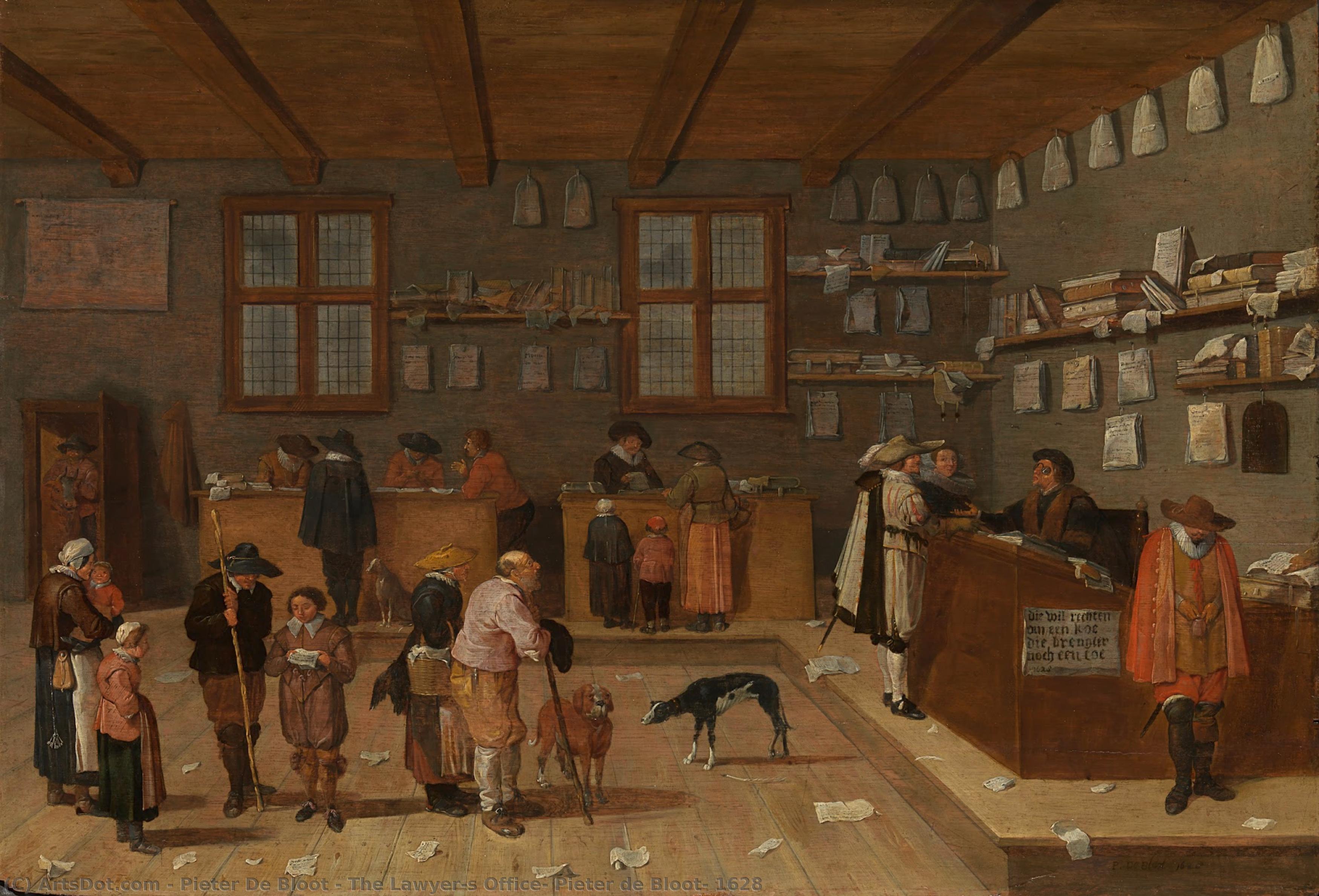
The Lawyer"s Office, Pieter de Bloot, 1628
 1628
1628 57.0 x 83.0 cm
 Read More
Purchase a high-resolution, enhanced digital image, far superior to the online preview.
Each file is meticulously prepared by our in-house specialists using advanced tools and expert manual retouching. We ensure every image has exceptional clarity, precise color accuracy, and fine detail.
The final file is delivered via email within 72 hours, optimized for immediate use in professional, editorial, and print environments. This is the same quality trusted by top-tier design studios, publishers, and galleries.
Digital Image
Download a high-resolution file for personal display, printing, and creative projects. ( Buy Print Buy Hand Made Painting)
Included in Every Digital Image Order
Expert Digital Delivery, Guaranteed
When you choose ArtsDot.com, you're not just getting an image - you're receiving a professionally enhanced digital artwork, crafted with precision and backed by a satisfaction guarantee. Here's everything that comes with your order, automatically:

Fast Email Delivery
Your high-resolution digital image file will be emailed to you within 72 hours of ordering - ready for immediate use.

AI-Enhanced Digital File
Your artwork is professionally optimized using advanced AI tools and manual editing, ensuring maximum detail, clarity, and color accuracy.

Free Lifetime Re-Delivery
Accidentally deleted or lost your file? No worries - we'll resend it to you anytime, free of charge.

No Import Fees - Ever
Enjoy your artwork instantly with zero customs, duties, or delivery fees - digital downloads are always tax-free.

Color Accuracy Guarantee
We ensure your digital image reflects the original colors as closely as possible using professional tools and color management.

60-Day Satisfaction Guarantee
If you're not satisfied with your digital image, we'll revise it or refund 100% within 60 days - no questions asked.

100% Money-Back Guarantee
Not satisfied? Get a full refund within 60 days of receiving your digital file - no questions asked.

Bulk Order Discounts
Buy 3 images, save 10% - Buy 5, save 15% - Buy 10+, save 20%. Great for creative projects, galleries, and agencies.
Related Artworks








Artist Biography
Pieter de Bloot: A Dutch Landscape Painter Capturing Rural Tranquility
Pieter de Bloot (1601 – c. 6 November 1658) stands as a significant, yet often overlooked, figure within the Dutch Golden Age artistic landscape. Born in Rotterdam, he emerged from a family steeped in artistic tradition—his father, Jan van Asch, was himself a respected portrait painter—establishing him firmly within the vibrant Delft art scene and shaping his stylistic inclinations. While overshadowed by contemporaries like Rembrandt and Vermeer, de Bloot’s contribution to genre painting, particularly landscapes imbued with atmospheric perspective and detailed depictions of rural life, deserves renewed appreciation.- Early Life & Training: De Bloot's formative years were spent honing his skills under the tutelage of his father, absorbing the principles of classical portraiture and mastering techniques crucial for conveying emotion and realism. This grounding in traditional painting would profoundly influence his later artistic endeavors.
- Marriage & Family: His life was marked by several marriages—first to Maria van der Linde, followed by Elisabeth van Nieuwenhuijzen, and lastly to Anna Catharina van Voorbergen—a testament to the social conventions of his time. Tragically, two of his wives succumbed to illness shortly after their nuptials, leaving him with a poignant reminder of life’s fragility.
De Bloot's Artistic Style & Influences
De Bloot’s artistic style is characterized by a meticulous attention to detail and an unwavering commitment to capturing the essence of his subjects. Unlike many artists of his era who favored grand narratives or idealized figures, de Bloot focused primarily on landscapes—often serene countryside vistas—and genre scenes depicting everyday peasant life. His canvases resonate with a palpable sense of realism, achieved through masterful use of chiaroscuro – dramatic contrasts between light and shadow – mirroring the techniques championed by Caravaggio and influencing his compositional choices. The artist’s penchant for atmospheric perspective, evident in works like “A Ferry Boat on a Calm Sea,” demonstrates an understanding of scientific principles aimed at conveying depth and spatial illusion.Notable Works & Achievements
Among de Bloot's celebrated paintings are "The Lawyer’s Office," showcasing a meticulously rendered interior scene reflecting the social realities of his time, and “Saint Martin and the Beggar,” which exemplifies Baroque artistic sensibilities with its emotive portrayal of religious devotion. His commissions included monumental scheemakers or overmantels for prominent Delft civic buildings—most notably the Prinsenhof City Hall—solidifying his reputation as a respected artist within the city’s cultural elite. Furthermore, he collaborated with Pieter Jansz van Asch on a mezzotint portrait, demonstrating an appreciation for printmaking alongside painting.Historical Significance & Legacy
Pieter de Bloot's oeuvre represents a crucial facet of Dutch artistic heritage—a celebration of the pastoral beauty and humble dignity of rural existence. While his output may not rival that of Rembrandt or Vermeer in terms of fame, his paintings continue to captivate viewers with their evocative atmosphere and unwavering fidelity to observation. His work serves as an invaluable window into the social and intellectual currents of the seventeenth century, reminding us that artistic excellence can flourish across diverse stylistic approaches—a testament to the enduring power of landscape painting and its ability to convey profound human emotion.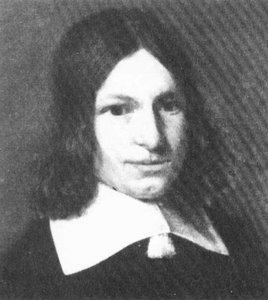
Pieter de Bloot
1601 - 1658 , Netherlands
Quick Facts
- Artistic Movement Or Style: Baroque
- Artists Who Influenced This Artist: ['Pieter Jansz van Asch']
- Date Of Birth: Rotterdam, Netherlands (1601)
- Date Of Death: c. 6 November 1658
- Full Name: Pieter de Bloot
- Nationality: Dutch
- Notable Artworks:
- A Ferry Boat on a Calm Sea
- The Lawyer"s Office
- Saint Martin and the Beggar
- Place Of Birth: Rotterdam

