

 Preview
 Send
Send Share
Share
 Details

 Download
 Similars
 X-Ray
X-Ray Diaporama
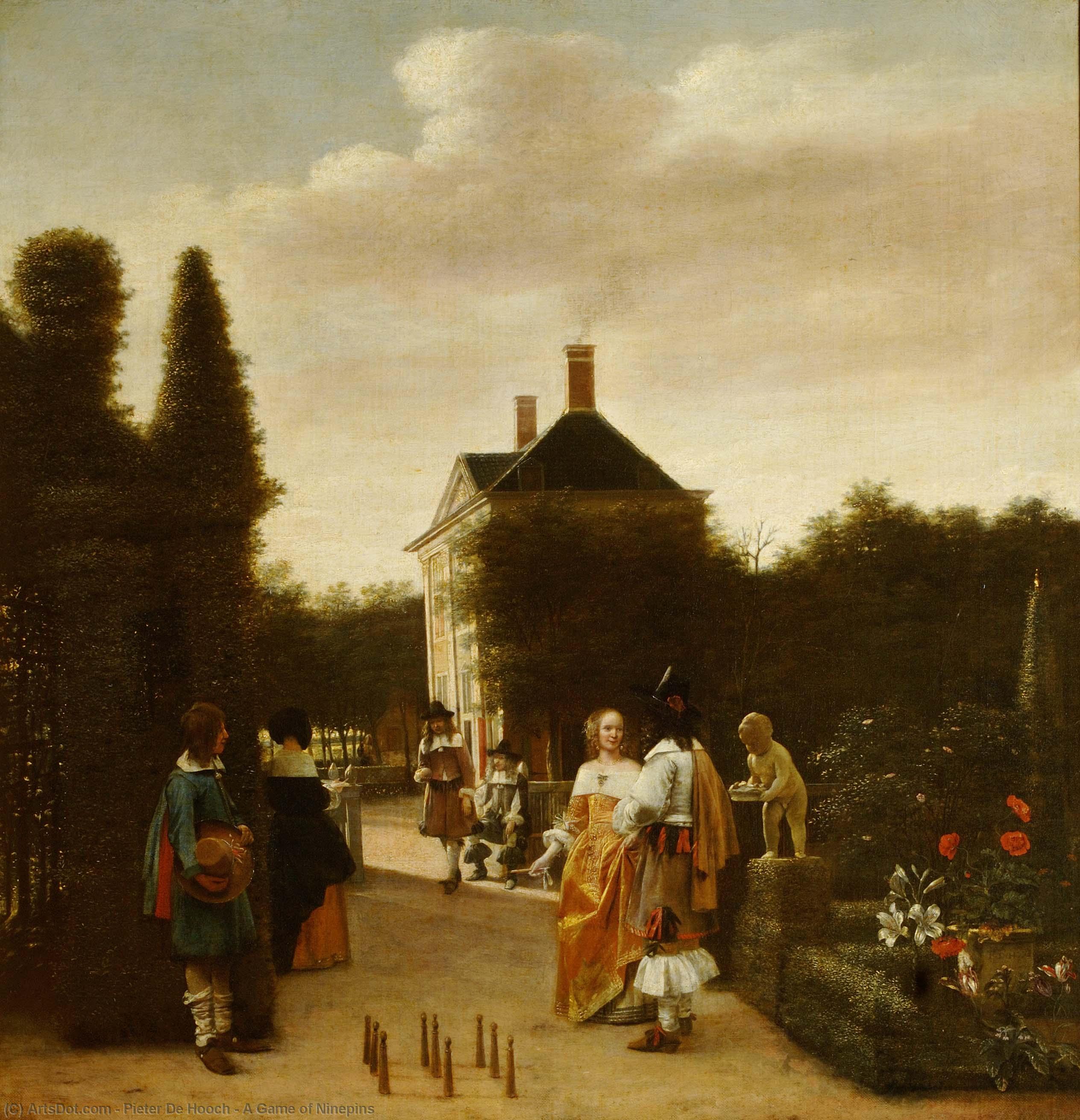
A Game of Ninepins
 Oil
Oil- WallArt
- Dutch Golden Age
 1665
1665- Early Modern
 70.0 x 62.0 cm
 Read More
Purchase a high-resolution, enhanced digital image, far superior to the online preview.
Each file is meticulously prepared by our in-house specialists using advanced tools and expert manual retouching. We ensure every image has exceptional clarity, precise color accuracy, and fine detail.
The final file is delivered via email within 72 hours, optimized for immediate use in professional, editorial, and print environments. This is the same quality trusted by top-tier design studios, publishers, and galleries.
Digital Image
Download a high-resolution file for personal display, printing, and creative projects. ( Buy Print Buy Hand Made Painting)
Included in Every Digital Image Order
Expert Digital Delivery, Guaranteed
When you choose ArtsDot.com, you're not just getting an image - you're receiving a professionally enhanced digital artwork, crafted with precision and backed by a satisfaction guarantee. Here's everything that comes with your order, automatically:

Fast Email Delivery
Your high-resolution digital image file will be emailed to you within 72 hours of ordering - ready for immediate use.

AI-Enhanced Digital File
Your artwork is professionally optimized using advanced AI tools and manual editing, ensuring maximum detail, clarity, and color accuracy.

Free Lifetime Re-Delivery
Accidentally deleted or lost your file? No worries - we'll resend it to you anytime, free of charge.

No Import Fees - Ever
Enjoy your artwork instantly with zero customs, duties, or delivery fees - digital downloads are always tax-free.

Color Accuracy Guarantee
We ensure your digital image reflects the original colors as closely as possible using professional tools and color management.

60-Day Satisfaction Guarantee
If you're not satisfied with your digital image, we'll revise it or refund 100% within 60 days - no questions asked.

100% Money-Back Guarantee
Not satisfied? Get a full refund within 60 days of receiving your digital file - no questions asked.

Bulk Order Discounts
Buy 3 images, save 10% - Buy 5, save 15% - Buy 10+, save 20%. Great for creative projects, galleries, and agencies.
Collectible Description
A Window into the Dutch Golden Age
In the quiet, sun-drenched streets of seventeenth-century Holland, life unfolded with a rhythmic, communal grace, a sentiment captured masterfully by Pieter de Hooch in his 1665 masterpiece, A Game of Ninepins. This evocative scene invites the viewer to step out of the modern rush and into a moment of shared leisure. De Hooch, a luminary of the Dutch Golden Age, possessed an unparalleled ability to transform the mundane into the monumental. Here, the simple act of playing ninepins becomes a vibrant tableau of social cohesion. The painting breathes with the energy of a neighborhood gathering, where the clatter of wooden pins and the low murmur of conversation seem almost audible through the layers of oil pigment.
The composition is a delicate dance of figures and light. As we gaze upon the street scene, our eyes are led through a carefully orchestrated space, moving from the immediate presence of the players to the architectural depth of the background. A woman, captured in a moment of focused participation, holds a bowl, perhaps containing refreshments for the group, grounding the scene in domestic reality. Nearby, a watchful dog lingers in the shadows, adding a touch of warmth and organic life to the human drama. The scattered pins across the ground serve as silent witnesses to the ongoing play, suggesting a day well-spent in the pursuit of simple joys.
Mastery of Light and Domestic Intimacy
Technically, A Game of Ninepins showcases De Hooch’s signature command over light and perspective. His training under Nicolaes Berchem instilled in him a profound respect for naturalism, which he applied here to capture the way sunlight filters through an outdoor setting, casting soft shadows and illuminating textures with breathtaking clarity. The artist utilizes a subtle palette of earthy tones, punctuated by the bright whites and muted colors of the players' attire, creating a sense of harmony that is both soothing and visually stimulating. His ability to create "open doorways"—a hallmark of his style—is present here not through literal architecture, but through the way he opens the viewer's gaze from the foreground activity into the deeper, sunlit recesses of the street.
For the discerning collector or interior designer, this work offers more than mere decoration; it provides an emotional anchor. The painting radiates a sense of gezelligheid—the uniquely Dutch concept of coziness, conviviality, and social belonging. It is a piece that evokes nostalgia for a time when community was found in the shared spaces of the street. When rendered as a high-quality hand-painted reproduction, the textures of the brushwork and the luminosity of the light can transform a room, offering a sophisticated focal point that inspires contemplation and warmth. Whether placed in a grand gallery or a quiet study, De Hooch’s vision remains a timeless testament to the beauty found in the everyday.
Related Artworks
Artist Biography
early life and training
pieter de hooch, a prominent figure in the dutch golden age, was born on december 20, 1629, in rotterdam, netherlands. he was the eldest of five children to hendrick hendricksz de hooch, a bricklayer, and annetge pieters, a midwife. little is known about his early life, but it is believed that he worked in rotterdam, delft, and amsterdam. de hooch's artistic training took place in haarlem under the landscape painter nicolaes berchem, alongside jacob ochtervelt. this period laid the foundation for his future success as a painter of quiet domestic scenes with an open doorway.artistic style and themes
de hooch's work is characterized by its attention to detail, naturalism, and use of light. his paintings often featured everyday life, reflecting the values and aspirations of the emerging middle class. a notable example of this style is "the courtyard of a house in delft" (1658), which showcases his ability to capture the mundane details of everyday life. de hooch's work also shares themes and compositions with emanuel de witte, but his focus on people and their relationships sets him apart. this is evident in "woman nursing" (1658) and "woman with a baby on her lap" (1658), which demonstrate his interest in domestic scenes.notable works and legacy
some of de hooch's most notable works include:- "the merry drinker" (c. 1650)
- "cardplayers in a sunlit room" (1658)
- "a woman preparing bread and butter for a boy" (1661)
museums and collections
de hooch's work can be found in various museums, including the koninklijk museum voor schone kunsten in antwerp, belgium, which features a vast collection of european art from the 15th to the 20th centuries. discover more about pieter de hooch and his works on ArtsDot: [https://ArtsDot.com/@/pieter-de-hooch](https://ArtsDot.com/@/pieter-de-hooch) /en/art/show/art-d3b4kt-en/ (discover the masterpieces of koninklijk museum voor schone kunsten, belgium) note: the provided links are from ArtsDot and are relevant to the topic. no external links were added as per the instructions.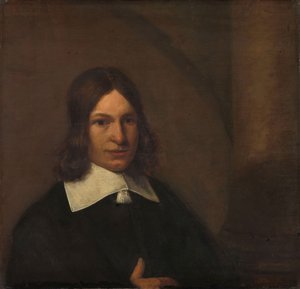
Pieter de Hooch
1629 - 1694 , Netherlands
Quick Facts
- Artistic Movement Or Style: Delft School, Dutch Golden Age
- Artists Or Movements Influenced By This Artist: ['Jan Vermeer']
- Artists Who Influenced This Artist: ['Nicolaes Berchem']
- Date Of Birth: December 20, 1629
- Full Name: Pieter Hendricksz de Hooch
- Nationality: Dutch
- Notable Artworks:
- The Empty Glass
- Woman Reading a Letter
- Cardplayers in a sunlit room
- A woman preparing bread and butter
- Place Of Birth: Rotterdam, Netherlands

