

 Preview
 Send
Send Share
Share
 Details

 Download
 Similars
 X-Ray
X-Ray Diaporama
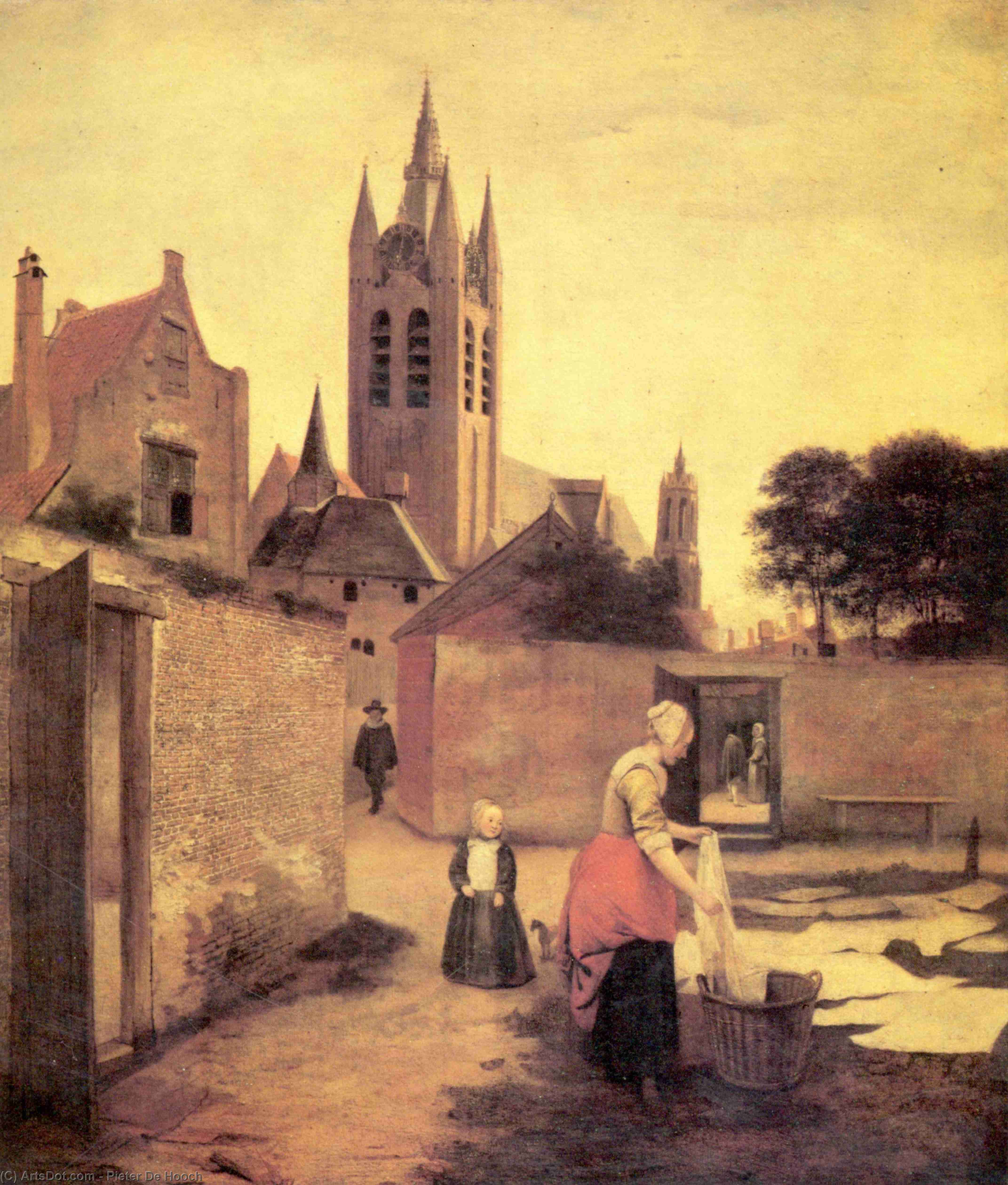
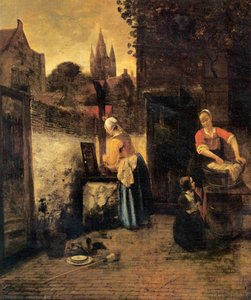
A woman and a child on a Bleichwiese
 Oil
Oil- WallArt
- Baroque
 1658
1658- Early Modern
 73.0 x 63.0 cm
 Read More
Purchase a high-resolution, enhanced digital image, far superior to the online preview.
Each file is meticulously prepared by our in-house specialists using advanced tools and expert manual retouching. We ensure every image has exceptional clarity, precise color accuracy, and fine detail.
The final file is delivered via email within 72 hours, optimized for immediate use in professional, editorial, and print environments. This is the same quality trusted by top-tier design studios, publishers, and galleries.
Digital Image
Download a high-resolution file for personal display, printing, and creative projects. ( Buy Print Buy Hand Made Painting)
Included in Every Digital Image Order
Expert Digital Delivery, Guaranteed
When you choose ArtsDot.com, you're not just getting an image - you're receiving a professionally enhanced digital artwork, crafted with precision and backed by a satisfaction guarantee. Here's everything that comes with your order, automatically:

Fast Email Delivery
Your high-resolution digital image file will be emailed to you within 72 hours of ordering - ready for immediate use.

AI-Enhanced Digital File
Your artwork is professionally optimized using advanced AI tools and manual editing, ensuring maximum detail, clarity, and color accuracy.

Free Lifetime Re-Delivery
Accidentally deleted or lost your file? No worries - we'll resend it to you anytime, free of charge.

No Import Fees - Ever
Enjoy your artwork instantly with zero customs, duties, or delivery fees - digital downloads are always tax-free.

Color Accuracy Guarantee
We ensure your digital image reflects the original colors as closely as possible using professional tools and color management.

60-Day Satisfaction Guarantee
If you're not satisfied with your digital image, we'll revise it or refund 100% within 60 days - no questions asked.

100% Money-Back Guarantee
Not satisfied? Get a full refund within 60 days of receiving your digital file - no questions asked.

Bulk Order Discounts
Buy 3 images, save 10% - Buy 5, save 15% - Buy 10+, save 20%. Great for creative projects, galleries, and agencies.
Collectible Description
A Window into the Dutch Golden Age
In the quiet, sun-drenched moments of the seventeenth century, Pieter de Hooch captured more than just scenery; he captured the very soul of Dutch domesticity and communal life. His masterpiece, "A woman and a child on a Bleichwiese," painted in 1658, serves as a breathtaking portal into a bygone era. The scene unfolds upon a dusty road, where the warmth of a bustling village breathes through every brushstroke. At the heart of this composition, a woman in a striking red dress stands alongside a child, their presence anchoring the viewer amidst the gentle movement of a town in motion. This is not merely a portrait of individuals, but a celebration of the interconnectedness of life, where the intimate bond between mother and child exists in harmony with the wider world of neighbors, travelers, and the rhythmic pulse of daily labor.
The composition is masterfully layered, drawing the eye through a series of receding planes that create an extraordinary sense of depth. Beyond the central figures, the viewer discovers a tapestry of human activity: distant figures engaged in conversation, the steady presence of a horse near the center, and the architectural grandeur of a brick building topped by a towering church steeple. This structural arrangement does more than provide perspective; it creates a narrative arc that leads from the personal to the communal. The inclusion of the steeple serves as a silent sentinel, symbolizing the spiritual oversight and the enduring stability of the community, while the dirt road acts as a literal and metaphorical path connecting the private lives of the subjects to the public sphere of the village.
Mastery of Light and Baroque Naturalism
De Hooch was a virtuoso of light, and in this work, his technique reaches a pinnacle of Dutch Golden Age naturalism. The way light spills across the Bleichwiese—a bleaching field—is nothing short of poetic. He employs a subtle, soft illumination that avoids harsh shadows, opting instead for a luminous glow that softens the edges of the brickwork and illuminates the textures of the clothing. This mastery of light serves to unify the disparate elements of the painting, bathing the bustling crowd and the architectural landmarks in a shared, golden atmosphere. The artist’s ability to render the tactile quality of the earth, the weight of the red fabric, and the distant, hazy silhouettes of the townspeople demonstrates a profound command over oil medium.
For the discerning collector or interior designer, this piece offers an unparalleled emotional resonance. It evokes a sense of nostalgia for a simpler, more grounded existence, making it a profound addition to any curated space. The painting does not demand attention through loud colors or chaotic movement; rather, it commands respect through its quiet dignity and atmospheric depth. Whether placed in a sunlit gallery or as a focal point in a sophisticated living space, the work invites contemplation. It brings with it an air of historical prestige and a serene, timeless beauty that can transform the ambiance of a room, offering a window into a world where every detail, no matter how mundane, is treated with reverence and artistic grace.
Related Artworks
Artist Biography
early life and training
pieter de hooch, a prominent figure in the dutch golden age, was born on december 20, 1629, in rotterdam, netherlands. he was the eldest of five children to hendrick hendricksz de hooch, a bricklayer, and annetge pieters, a midwife. little is known about his early life, but it is believed that he worked in rotterdam, delft, and amsterdam. de hooch's artistic training took place in haarlem under the landscape painter nicolaes berchem, alongside jacob ochtervelt. this period laid the foundation for his future success as a painter of quiet domestic scenes with an open doorway.artistic style and themes
de hooch's work is characterized by its attention to detail, naturalism, and use of light. his paintings often featured everyday life, reflecting the values and aspirations of the emerging middle class. a notable example of this style is "the courtyard of a house in delft" (1658), which showcases his ability to capture the mundane details of everyday life. de hooch's work also shares themes and compositions with emanuel de witte, but his focus on people and their relationships sets him apart. this is evident in "woman nursing" (1658) and "woman with a baby on her lap" (1658), which demonstrate his interest in domestic scenes.notable works and legacy
some of de hooch's most notable works include:- "the merry drinker" (c. 1650)
- "cardplayers in a sunlit room" (1658)
- "a woman preparing bread and butter for a boy" (1661)
museums and collections
de hooch's work can be found in various museums, including the koninklijk museum voor schone kunsten in antwerp, belgium, which features a vast collection of european art from the 15th to the 20th centuries. discover more about pieter de hooch and his works on ArtsDot: [https://ArtsDot.com/@/pieter-de-hooch](https://ArtsDot.com/@/pieter-de-hooch) /en/art/show/art-d3b4kt-en/ (discover the masterpieces of koninklijk museum voor schone kunsten, belgium) note: the provided links are from ArtsDot and are relevant to the topic. no external links were added as per the instructions.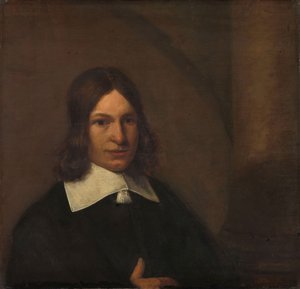
Pieter de Hooch
1629 - 1694 , Netherlands
Quick Facts
- Artistic Movement Or Style: Delft School, Dutch Golden Age
- Artists Or Movements Influenced By This Artist: ['Jan Vermeer']
- Artists Who Influenced This Artist: ['Nicolaes Berchem']
- Date Of Birth: December 20, 1629
- Full Name: Pieter Hendricksz de Hooch
- Nationality: Dutch
- Notable Artworks:
- The Empty Glass
- Woman Reading a Letter
- Cardplayers in a sunlit room
- A woman preparing bread and butter
- Place Of Birth: Rotterdam, Netherlands

