

 Preview
 Send
Send Share
Share
 Details

 Download
 Similars
 X-Ray
X-Ray Diaporama
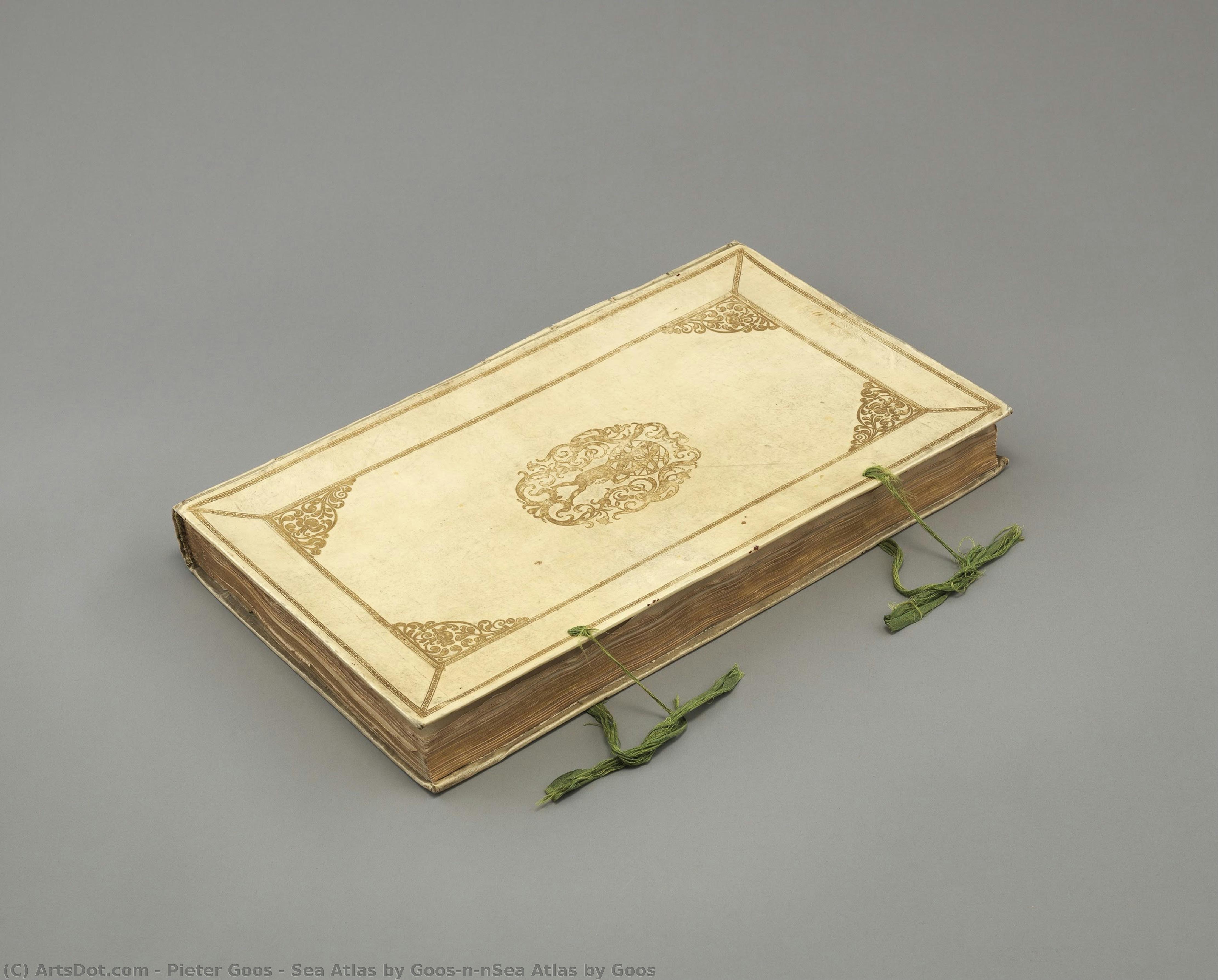
Sea Atlas by Goos\n\nSea Atlas by Goos


 Read More
Purchase a high-resolution, enhanced digital image, far superior to the online preview.
Each file is meticulously prepared by our in-house specialists using advanced tools and expert manual retouching. We ensure every image has exceptional clarity, precise color accuracy, and fine detail.
The final file is delivered via email within 72 hours, optimized for immediate use in professional, editorial, and print environments. This is the same quality trusted by top-tier design studios, publishers, and galleries.
Digital Image
Download a high-resolution file for personal display, printing, and creative projects. ( Buy Print Buy Hand Made Painting)
Included in Every Digital Image Order
Expert Digital Delivery, Guaranteed
When you choose ArtsDot.com, you're not just getting an image - you're receiving a professionally enhanced digital artwork, crafted with precision and backed by a satisfaction guarantee. Here's everything that comes with your order, automatically:

Fast Email Delivery
Your high-resolution digital image file will be emailed to you within 72 hours of ordering - ready for immediate use.

AI-Enhanced Digital File
Your artwork is professionally optimized using advanced AI tools and manual editing, ensuring maximum detail, clarity, and color accuracy.

Free Lifetime Re-Delivery
Accidentally deleted or lost your file? No worries - we'll resend it to you anytime, free of charge.

No Import Fees - Ever
Enjoy your artwork instantly with zero customs, duties, or delivery fees - digital downloads are always tax-free.

Color Accuracy Guarantee
We ensure your digital image reflects the original colors as closely as possible using professional tools and color management.

100-Day Satisfaction Guarantee
If you're not satisfied with your digital image, we'll revise it or refund 100% within 100 days - no questions asked.

100% Money-Back Guarantee
Not satisfied? Get a full refund within 100 days of receiving your digital file - no questions asked.

Bulk Order Discounts
Buy 3 images, save 10% - Buy 5, save 15% - Buy 10+, save 20%. Great for creative projects, galleries, and agencies.
Related Artworks



Artist Biography
Carlo Dolci: A Florentine Painter of Quiet Devotion
Carlo Dolci, born in Florence on May 25th, 1616, and passing away on January 17th, 1686, remains a fascinating figure within the history of Italian art. Often overshadowed by the flamboyant Baroque masters of his era, Dolci carved out a distinctive niche for himself—a painter deeply rooted in Florentine tradition, characterized by an intensely devotional style and a meticulous approach to craft. His work, initially lauded within Florence’s artistic circles, experienced a period of relative obscurity before enjoying a resurgence of appreciation in the 20th century, revealing a quiet beauty and profound spirituality that continues to resonate today. Dolci's early life was shaped by his apprenticeship under Jacopo Vignali, a prominent Florentine painter known for his depictions of religious subjects. This formative experience instilled in Dolci a solid foundation in technique and an understanding of the classical traditions of Florentine painting. However, it was through his association with the Medici court, particularly Grand Duchess Vittoria della Rovere, that Dolci truly established himself as an artist of considerable merit. The patronage of such influential figures provided him with opportunities to develop his own unique style—one characterized by a serene atmosphere, subtle color palettes, and a profound sense of piety. Unlike many of his contemporaries who embraced the dramatic gestures and dynamic compositions of the Baroque, Dolci favored a more restrained approach, focusing on capturing the quiet contemplation and spiritual grace of his subjects.Dolci’s Distinctive Style and Subject Matter
Dolci's artistic style is immediately recognizable by its distinctive qualities. He was renowned for his meticulous attention to detail, employing a smooth, enamel-like finish that created an illusion of depth and luminosity. His compositions are often characterized by a sense of stillness and tranquility, achieved through the careful arrangement of figures within carefully rendered interiors—typically dimly lit rooms filled with antique furniture, tapestries, and scattered objects. These settings, frequently reminiscent of Florentine domestic spaces, served as backdrops for scenes of religious devotion or intimate portraits. Dolci’s palette was deliberately muted, dominated by cool blues, greens, and browns, creating a somber yet harmonious atmosphere. He avoided bright colors and dramatic contrasts, preferring instead to build up layers of translucent glaze to achieve subtle variations in tone and hue. His subject matter largely revolved around religious themes—scenes from the life of Christ, depictions of saints, and meditations on biblical narratives. However, Dolci’s approach was not overtly didactic or propagandistic. Rather, he sought to evoke a sense of spiritual contemplation through his paintings, inviting viewers to engage in a personal dialogue with faith. He also produced a series of portraits, notably those commissioned by Sir John Finch and Sir Thomas Baines, which are now highly valued for their understated elegance and psychological insight. These portraits, characterized by their sober objectivity and subtle expressions of character, stand in stark contrast to the more flamboyant depictions of portraiture prevalent during the Baroque period.Influences and Artistic Development
Dolci’s artistic development can be traced through a complex interplay of influences. While deeply rooted in Florentine tradition, he was also influenced by the works of his teacher, Jacopo Vignali, as well as the traditions of early Netherlandish painting—particularly the work of artists like Jan van Eyck and Rogier van der Weyden. These influences are evident in Dolci’s meticulous attention to detail, his use of atmospheric perspective, and his preference for intimate interiors. Furthermore, Dolci was deeply affected by the Counter-Reformation, which profoundly shaped the religious landscape of Europe during his lifetime. His devout piety and commitment to portraying scenes of spiritual devotion reflect this broader cultural context.Legacy and Historical Significance
For much of his life, Carlo Dolci enjoyed a modest but respected position within Florence’s artistic community. However, after his death, his work fell into relative obscurity, largely due to the rise of more flamboyant styles during the 18th and 19th centuries. In the 20th century, however, Dolci experienced a significant revival of interest, fueled by the writings of art historians like Baldinucci and the rediscovery of his paintings in private collections. Today, Dolci is recognized as one of the most important figures in Florentine painting—a painter who offered a unique vision of religious devotion and artistic craftsmanship. His meticulous attention to detail, subtle color palettes, and serene compositions continue to captivate viewers, reminding us of the enduring power of quiet contemplation and spiritual grace. His work serves as a testament to the beauty that can be found in simplicity and restraint, offering a valuable counterpoint to the more dramatic styles of his era.Further Resources

pieter goos
1616 - 1675 , Netherlands
Quick Facts
- Artistic Movement Or Style: Florentine painting
- Artists Or Movements Influenced By This Artist: ["Rubens' style"]
- Artists Who Influenced This Artist: ['Jacopo Vignali']
- Date Of Birth: May 25, 1616
- Date Of Death: Jan 17, 1686
- Full Name: Carlo Dolci
- Nationality: Italian
- Notable Artworks:
- Penitent Magdalene
- The Penitent Magdalen
- St. Lucy
- Place Of Birth: Florence, Italy