

 Preview
 Send
Send Share
Share
 Details

 Download
 Similars
 X-Ray
X-Ray Diaporama
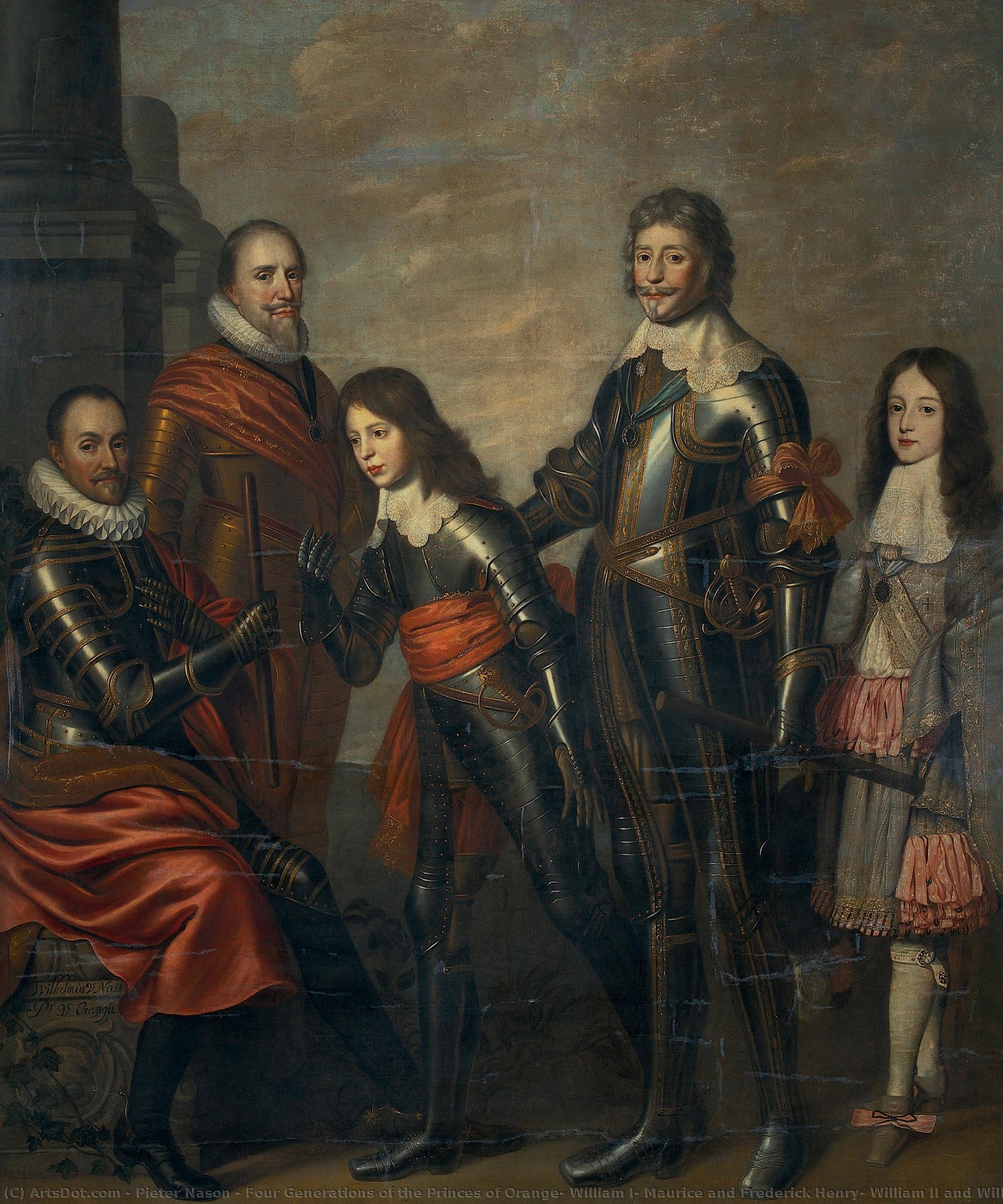
Four Generations of the Princes of Orange: William I, Maurice and Frederick Henry, William II and William III, Pieter Nason, c. 1660 - c. 1662
 1662
1662 229.0 x 193.0 cm
 Read More
Purchase a high-resolution, enhanced digital image, far superior to the online preview.
Each file is meticulously prepared by our in-house specialists using advanced tools and expert manual retouching. We ensure every image has exceptional clarity, precise color accuracy, and fine detail.
The final file is delivered via email within 72 hours, optimized for immediate use in professional, editorial, and print environments. This is the same quality trusted by top-tier design studios, publishers, and galleries.
Digital Image
Download a high-resolution file for personal display, printing, and creative projects. ( Buy Print Buy Hand Made Painting)
Included in Every Digital Image Order
Expert Digital Delivery, Guaranteed
When you choose ArtsDot.com, you're not just getting an image - you're receiving a professionally enhanced digital artwork, crafted with precision and backed by a satisfaction guarantee. Here's everything that comes with your order, automatically:

Fast Email Delivery
Your high-resolution digital image file will be emailed to you within 72 hours of ordering - ready for immediate use.

AI-Enhanced Digital File
Your artwork is professionally optimized using advanced AI tools and manual editing, ensuring maximum detail, clarity, and color accuracy.

Free Lifetime Re-Delivery
Accidentally deleted or lost your file? No worries - we'll resend it to you anytime, free of charge.

No Import Fees - Ever
Enjoy your artwork instantly with zero customs, duties, or delivery fees - digital downloads are always tax-free.

Color Accuracy Guarantee
We ensure your digital image reflects the original colors as closely as possible using professional tools and color management.

60-Day Satisfaction Guarantee
If you're not satisfied with your digital image, we'll revise it or refund 100% within 60 days - no questions asked.

100% Money-Back Guarantee
Not satisfied? Get a full refund within 60 days of receiving your digital file - no questions asked.

Bulk Order Discounts
Buy 3 images, save 10% - Buy 5, save 15% - Buy 10+, save 20%. Great for creative projects, galleries, and agencies.
Related Artworks




Artist Biography
The Golden Brush of the Dutch Masters
In the vibrant, bustling atmosphere of seventeenth-century Amsterdam, a period defined by unparalleled economic prosperity and artistic explosion known as the Dutch Golden Age, Pieter Nason emerged as a subtle yet significant force. Born around 1612, Nason’s life was woven into the very fabric of the Netherlands' most illustrious era. His early years, marked by his baptism in the Lutheran Church on February 16th, suggest a foundation of discipline and tradition that would later manifest in the meticulous precision of his brushwork. While the historical record offers only glimpses of his formative years, the trajectory of his talent was set through a prestigious apprenticeship under Nicolaes Eliasz. Pickenoy, a master of portraiture whose reputation commanded respect across Amsterdam. This early mentorship provided Nason with more than just technical skill; it gifted him an understanding of the Baroque language—a way to use dramatic light and idealized forms to breathe life into his subjects.
As Nason matured, his artistic identity began to solidify within the prestigious institutions of The Hague. His formal entry into the Guild of Painters in 1639 was a defining milestone, granting him the professional legitimacy required to navigate the complex world of high-society patronage. By 1656, his influence and standing were such that he became one of the forty-seven founding members of the Confrerie Pictura, an influential painters' society in The Hague. This period of his life was characterized by a deepening engagement with the artistic community, where he stood alongside his contemporaries to shape the aesthetic standards of the age. There is even scholarly intrigue suggesting that Nason may have been a pupil of Jan van Ravensteyn, further enriching the lineage of talent that flowed through his hands.
A Legacy of Royalty and Refinement
The true brilliance of Pieter Nason lies in his ability to capture the essence of power and the quiet beauty of the inanimate. He was a painter of profound versatility, moving with grace between the grand scale of royal portraiture and the intimate, tactile world of still life. His works often served as windows into the upper echelons of European nobility. He is celebrated for his portraits of monumental figures, including the portrait of Prince Mauritz, Governor of the Brazils, and depictions of Charles II of England. These were not merely likenesses; they were carefully constructed images of authority, designed to be engraved and distributed, thereby cementing the prestige of his subjects across borders.
Beyond the faces of kings and princes, Nason possessed a remarkable sensitivity to texture and light in his still life compositions. His ability to render the cold gleam of silver, the transparency of glass, and the heavy luster of gold vessels demonstrated a technical mastery that appealed to the discerning collectors of his time. This duality—the ability to command the epic scale of a full-length portrait, such as his 1667 work of the Grand Elector in Berlin, while simultaneously capturing the delicate nuances of a tabletop arrangement—marks him as a true master of the Dutch tradition. His works, scattered across prestigious collections in Berlin, Copenhagen, and Rotterdam, continue to serve as enduring testaments to a career that spanned seven decades of artistic excellence.
Though history has occasionally obscured his name, sometimes attributing his finest works to more famous contemporaries like Mierevelt or Ravensteyn, the unmistakable quality of Nason's hand remains. His legacy is found in the way he captured the fleeting light of the seventeenth century, preserving the dignity of the fallen and the splendor of the powerful within the permanent embrace of oil and canvas.
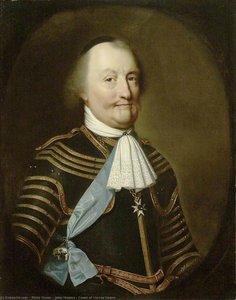
pieter nason
1612 - 1688
Quick Facts
- Artistic Movement Or Style: Baroque
- Artists Or Movements Influenced By This Artist: ['Nicolaes Eliasz. Pickenoy']
- Artists Who Influenced This Artist: ['Jan van Ravensteyn']
- Date Of Birth: 1612
- Date Of Death: 1688
- Full Name: Pieter Nason
- Nationality: Dutch
- Notable Artworks: ['Walter Strickland']
- Place Of Birth: Amsterdam, Netherlands

