 Preview
 Send
Send Share
Share
 Details

 Download
 Similars
 X-Ray
X-Ray Diaporama
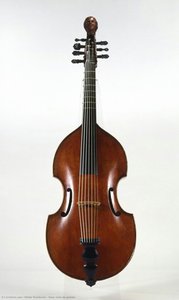
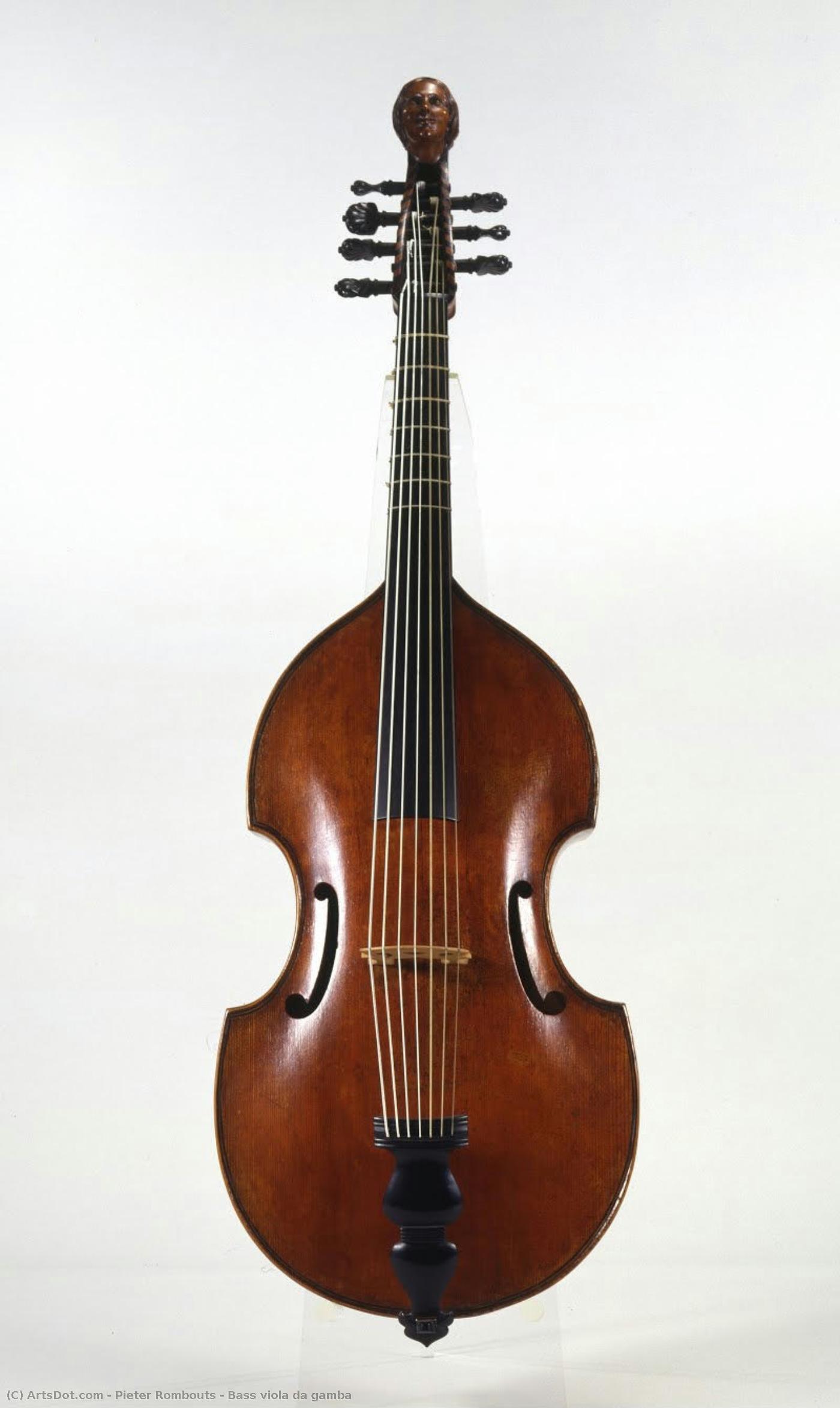
Bass viola da gamba


 Read More
Giclée / Art Print
Museum-quality giclée or canvas print with fast production and flexible finish options. ( Buy Hand Made Painting Buy Image)




































Pick from our preset sizes that match the artwork's original proportions.

You may enter your own dimensions to fit a specific frame or space. If your selected size does not match the original image's proportions, we will either crop the artwork or extend the image with a mirrored or solid-fill edge. A digital mockup will be sent for your approval before production begins.
Please note that the on-screen preview does not reflect the actual cropping or extension. Only the mockup will accurately show the final composition.
While custom sizes are available, we recommend selecting a dimension from the predefined list to preserve the original proportions.
Worldwide Delivery () in 2 weeks instead of standard 4/5 weeks. (21 August)

Free Worldwide Express Shipping

High-Quality Linen Canvas

Full Shipping Insurance

Customs Tax Refund Guarantee

True Color Matching Guarantee

60-Day Return Policy (Defects Only)

100% Money-Back Guarantee

Bulk Discount Offer
 Glass option is only available in size under 110 CM

Bass viola da gamba
Giclée / Art Print
Reproduction Size
-


Total Price
$ 63
Collectible Description
Related Artworks






Artist Biography
A Legacy Forged in Wood: The Life and Art of Pieter Rombouts
Pieter Rombouts, a name resonating through the annals of Dutch violin making, embodies a fascinating intersection of familial tradition, technical skill, and artistic sensibility. Born in Leuven, Belgium, in 1667, his life unfolded against the backdrop of Amsterdam’s Golden Age—a period of burgeoning trade, cultural exchange, and an insatiable appetite for refined craftsmanship. While initially overshadowed by the legacy of his stepfather, Hendrik Jacobs, Rombouts ultimately carved out a distinct identity as a highly sought-after instrument maker, celebrated for violins, violas da gamba, and cellos that possessed a unique character all their own. His story is not merely one of technical prowess but also of navigating familial relationships and establishing an artistic voice within a competitive milieu.Apprenticeship and Early Influences
Rombouts’s path to becoming a luthier was deeply intertwined with the circumstances of his early life. Following the death of his father, Jan Rombouts, a naval clerk, his mother, Sibilla Barents, remarried Hendrik Jacobs, a respected violin maker. This union proved pivotal for young Pieter, as he undoubtedly received his initial training and exposure to the intricacies of instrument construction within Jacobs’ workshop. The influence of Jacobs is undeniable; early works by Rombouts often bear striking similarities to his stepfather's style, particularly in their robust arching and overall form. However, even in these formative pieces, hints of a developing individual aesthetic begin to emerge—a subtle refinement of the curves, a particular attention to wood selection, and an emerging preference for reddish-brown varnishes that would become hallmarks of his mature work. The bustling environment of Amsterdam itself also played a role, exposing Rombouts to instruments from across Europe and fostering an appreciation for diverse tonal qualities and construction techniques.Establishing a Distinct Voice
As Rombouts matured as a craftsman, he gradually distanced himself from the direct imitation of his stepfather’s style, forging a path that blended established traditions with innovative approaches. He operated workshops on Sint Antoniesbreestraat and Botermarkt in Amsterdam, becoming known—sometimes even referred to as Pieter Jacobs—for instruments characterized by their highly arched designs, reminiscent of those favored by Italian masters like Nicola Amati and Pietro Guarneri. Yet, Rombouts’s work wasn't simply a replication of Italian models. He introduced subtle variations in the f-hole placement, experimented with different thicknesses of wood to modulate tonal qualities, and developed a distinctive varnish recipe that imparted a warm, reddish-brown hue to his instruments. This careful attention to detail—the selection of woods like baleen for certain components—demonstrated a commitment to both aesthetic beauty and acoustic excellence.Major Achievements and Historical Significance
While Rombouts may not have achieved the widespread renown of some of his Italian contemporaries, his instruments were highly prized during his lifetime and continue to be sought after by collectors and musicians today. His violins, in particular, are celebrated for their powerful projection, rich timbre, and responsiveness. A testament to his enduring legacy is the presence of a violin and viola da gamba crafted by Rombouts within the Scheurleer collection at the Kunstmuseum Den Haag. Furthermore, the renowned cellist Pieter Wispelwey performs on a baroque cello made by Rombouts, offering a contemporary audience the opportunity to experience the exceptional qualities of his work firsthand. Rombouts’s significance lies not only in the beauty and functionality of his instruments but also in his contribution to the Dutch violin-making tradition—a tradition that flourished during the Golden Age and continues to inspire luthiers today. His ability to blend established techniques with innovative approaches ensured his place as a respected figure within the history of stringed instrument construction, bridging the gap between the workshops of Amsterdam and the celebrated traditions of Italy.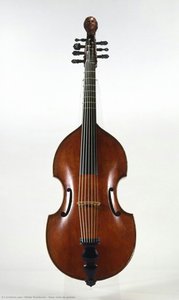
pieter rombouts
1971 - , Belgium
Quick Facts
- Artistic Movement Or Style: Analog Electronics Art
- Date Of Birth: 1971
- Full Name: Pieter Rombouts
- Nationality: Belgian
- Notable Artworks: ['Bass viola da gamba']
- Place Of Birth: Leuven, Belgium