

 Preview
 Send
Send Share
Share
 Details

 Download
 Similars
 X-Ray
X-Ray Diaporama
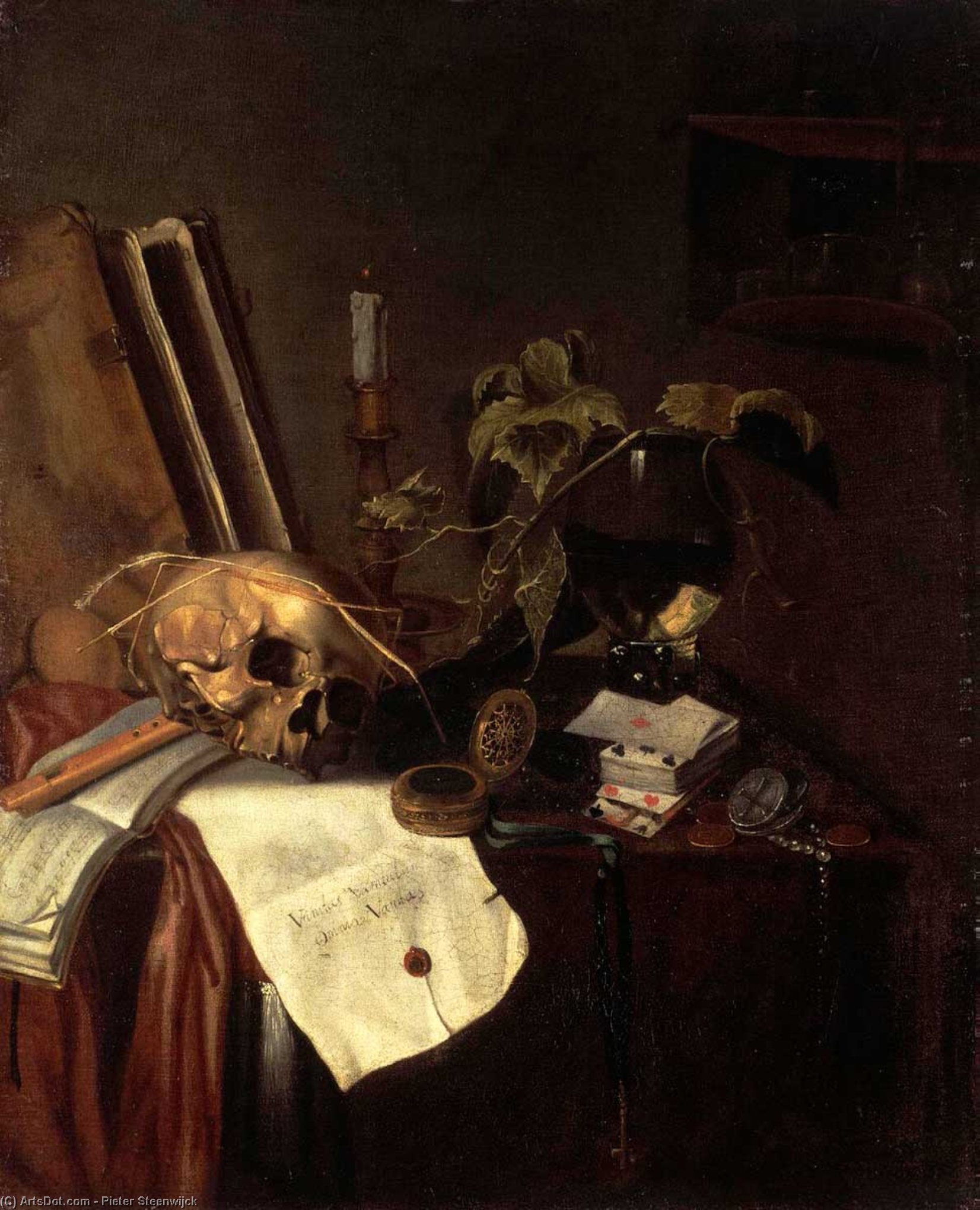
Still-Life
 71.0 x 65.0 cm
 Hermitage Museum
 Read More
Purchase a high-resolution, enhanced digital image, far superior to the online preview.
Each file is meticulously prepared by our in-house specialists using advanced tools and expert manual retouching. We ensure every image has exceptional clarity, precise color accuracy, and fine detail.
The final file is delivered via email within 72 hours, optimized for immediate use in professional, editorial, and print environments. This is the same quality trusted by top-tier design studios, publishers, and galleries.
Digital Image
Download a high-resolution file for personal display, printing, and creative projects. ( Buy Print Buy Hand Made Painting)
Included in Every Digital Image Order
Expert Digital Delivery, Guaranteed
When you choose ArtsDot.com, you're not just getting an image - you're receiving a professionally enhanced digital artwork, crafted with precision and backed by a satisfaction guarantee. Here's everything that comes with your order, automatically:

Fast Email Delivery
Your high-resolution digital image file will be emailed to you within 72 hours of ordering - ready for immediate use.

AI-Enhanced Digital File
Your artwork is professionally optimized using advanced AI tools and manual editing, ensuring maximum detail, clarity, and color accuracy.

Free Lifetime Re-Delivery
Accidentally deleted or lost your file? No worries - we'll resend it to you anytime, free of charge.

No Import Fees - Ever
Enjoy your artwork instantly with zero customs, duties, or delivery fees - digital downloads are always tax-free.

Color Accuracy Guarantee
We ensure your digital image reflects the original colors as closely as possible using professional tools and color management.

60-Day Satisfaction Guarantee
If you're not satisfied with your digital image, we'll revise it or refund 100% within 60 days - no questions asked.

100% Money-Back Guarantee
Not satisfied? Get a full refund within 60 days of receiving your digital file - no questions asked.

Bulk Order Discounts
Buy 3 images, save 10% - Buy 5, save 15% - Buy 10+, save 20%. Great for creative projects, galleries, and agencies.
Related Artworks
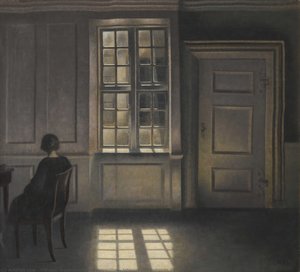
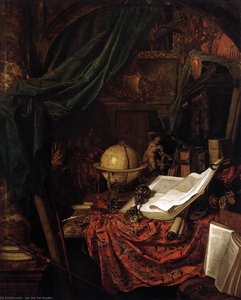
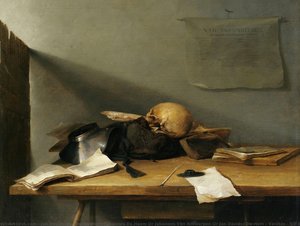
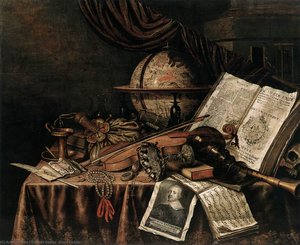
Artist Biography
A Life Submerged in Symbolism: Pieter Steenwijck and the Vanitas Tradition
Pieter Steenwijck, born around 1615 in Delft, Netherlands, emerged during the Dutch Golden Age—a period of unprecedented artistic flourishing tempered by a profound awareness of life’s fleeting nature. While not as widely celebrated as some of his contemporaries, Steenwijck carved a distinctive niche for himself through meticulously rendered still lifes and, more notably, poignant vanitas compositions. These works weren't merely displays of technical skill; they were deeply philosophical meditations on mortality, the transience of earthly pleasures, and the inevitability of decay. His family background played a crucial role in his artistic development. His father, Evert Harmensz Steenwijck, was an optician specializing in spectacles and lenses—a profession demanding precision and attention to detail, qualities that would become hallmarks of Pieter’s paintings. His brother, Harmen Steenwijck, also pursued a career as a still-life painter, and the two shared a studio in Delft during their early years, fostering a collaborative environment steeped in artistic exploration.Early Training and Guild Affiliations
Steenwijck's formal training took place under the guidance of his uncle, David Bailly, in Leiden around 1633–1635. Bailly was a highly respected portrait painter who is credited with pioneering the vanitas genre—a style that Steenwyck would come to master. Bailly’s influence instilled in him not only technical proficiency but also a deep understanding of the symbolic language used to convey themes of mortality and spiritual reflection. In 1642, Pieter joined the Delft Guild of St. Luke, signifying his acceptance into the professional artistic community. He further solidified his standing by becoming a member of the Leiden Guild in 1644. These affiliations provided access to commissions, networks, and opportunities for growth. Later, around 1654, he became associated with The Hague Guild, suggesting a broadening of his geographical reach and clientele.The Art of Vanitas: A Reflection of Dutch Society
Steenwijck’s oeuvre is characterized by intimate genre scenes and, most prominently, vanitas still lifes. These paintings are not simply arrangements of objects; they are carefully constructed allegories designed to provoke contemplation on the ephemeral nature of existence. Common motifs include skulls—a stark reminder of human mortality—extinguished candles symbolizing the brevity of life, wilting flowers representing beauty’s decay, and hourglasses measuring the relentless passage of time. Books and musical instruments often appear, signifying intellectual pursuits and worldly pleasures that ultimately prove futile in the face of death. One particularly notable commission was a vanitas still life created for Admiral Maarten Tromp, now housed in the Stedelijk Museum De Lakenhal in Leiden. This work likely incorporated personal symbolism relating to the admiral’s life and career, adding another layer of meaning to the broader allegorical themes. Steenwijck's precise technique—his ability to render textures and light with remarkable realism—heightened the emotional impact of these works, drawing viewers into a world where beauty and decay coexist in delicate balance.Technique and Style within the Delft School
Steenwijck’s artistic style aligns him with the broader Delft school of painting, known for its meticulous detail, subtle use of light, and focus on everyday subjects. However, his specialization in vanitas compositions sets him apart. He possessed a remarkable ability to create atmospheric depth and luminosity, often employing a limited palette to emphasize the somber mood of his works. His compositions are typically characterized by diagonal or triangular arrangements, creating a sense of visual harmony and balance. While relatively few paintings are definitively attributed to Steenwijck—a common challenge in 17th-century Dutch art due to stylistic similarities among artists—his surviving works demonstrate a consistent level of quality and thematic depth. His precise technique and thoughtful symbolism positioned him as a significant, though often overlooked, figure within the Dutch Golden Age artistic landscape.Historical Significance and Legacy
Pieter Steenwijck’s historical significance lies in his contribution to the vanitas tradition—a genre that resonated deeply with the anxieties and spiritual concerns of 17th-century Dutch society. The Netherlands was undergoing a period of rapid economic growth and social change, but this prosperity was often accompanied by a heightened awareness of mortality and the uncertainties of life. Steenwijck’s paintings served as visual reminders of these realities, prompting viewers to reflect on their own values and priorities. Although his body of work is relatively small, his surviving vanitas compositions continue to captivate audiences with their beauty, symbolism, and philosophical depth. He represents a fascinating example of an artist who used his skills not merely to depict the world around him but to explore profound questions about life, death, and the human condition. His works offer a glimpse into the intellectual and spiritual climate of the Dutch Golden Age, reminding us that even in times of prosperity, the shadow of mortality looms large.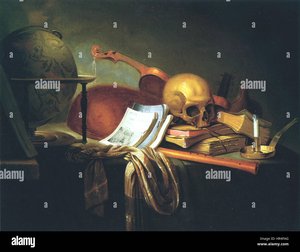
pieter steenwijck
1615 - 1656 , Netherlands
Quick Facts
- Artistic Movement Or Style: Dutch Golden Age painting
- Artists Who Influenced This Artist: ['David Bailly']
- Date Of Birth: c. 1615
- Date Of Death: 1656
- Full Name: Pieter Steenwijck
- Nationality: Dutch
- Notable Artworks:
- Vanitas Still-Life with Gorget
- Still-Life
- Ars Longa, Vitta Brevis
- Place Of Birth: Delft, Netherlands

