 Preview
 Send
Send Share
Share
 Details

 Download
 Similars
 X-Ray
X-Ray Diaporama
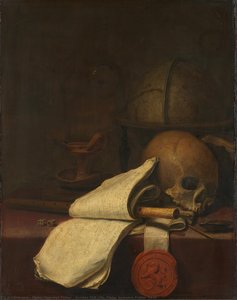
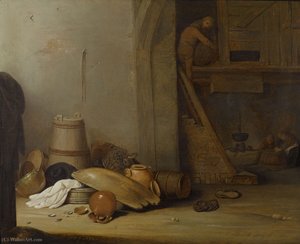
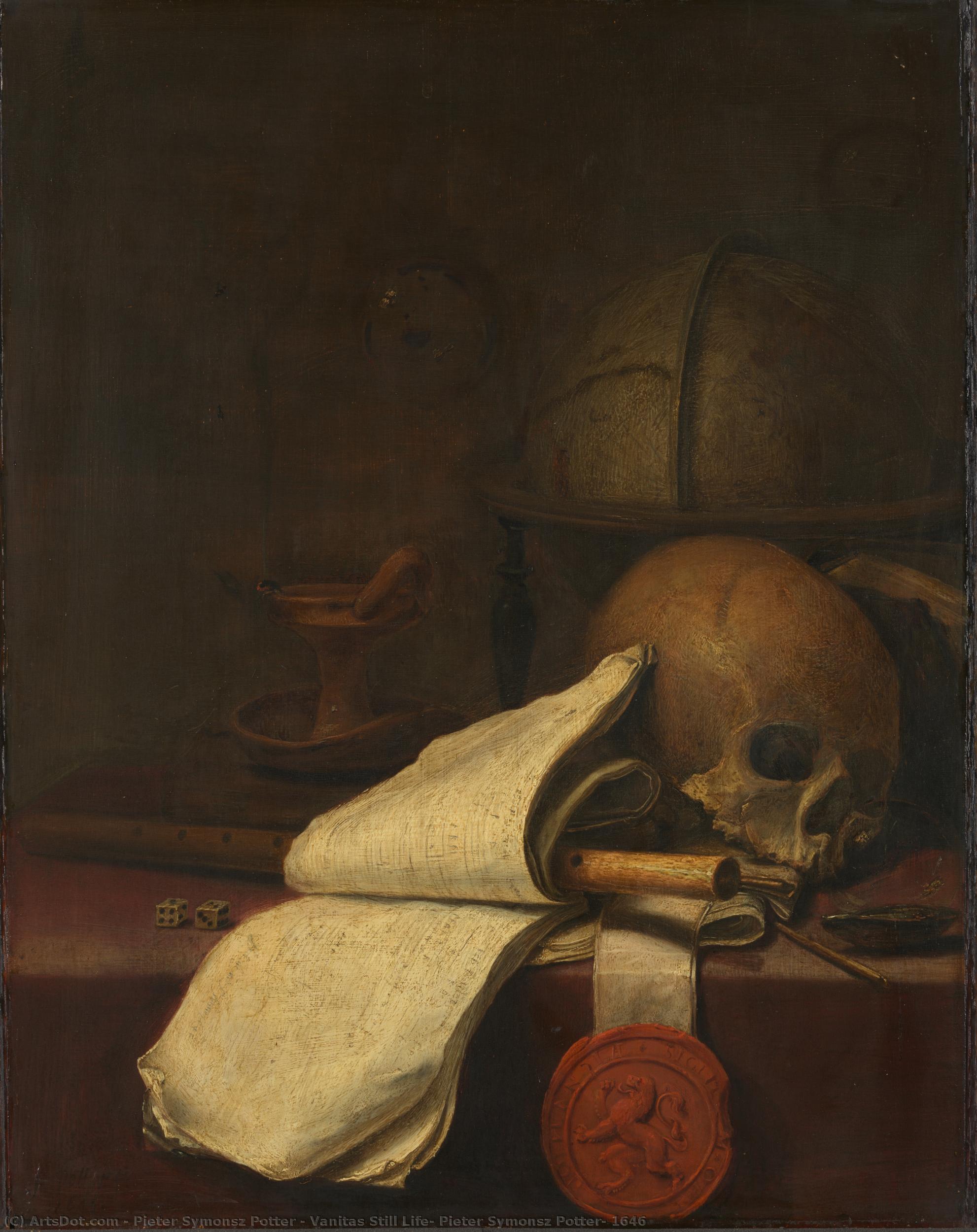
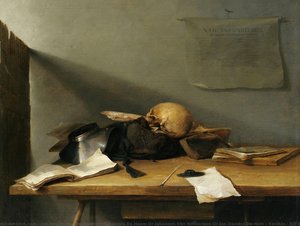
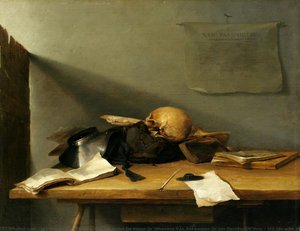
Vanitas Still Life, Pieter Symonsz Potter, 1646
 1646
1646 54.0 x 41.0 cm
 Read More
Hand Made Oil Reproduction
Hand-painted oil on canvas in your size and frame, made to order by our artists. ( Buy Print Buy Image)




































Pick from our preset sizes that match the artwork's original proportions.

You may enter your own dimensions to fit a specific frame or space. If your selected size does not match the original image's proportions, we will either crop the artwork or extend the painting with additional hand-painted elements. A digital mockup will be sent for your approval before production begins.
Please note that the on-screen preview does not reflect the actual cropping or extension. Only the mockup will accurately show the final composition.
While custom sizes are available, we recommend selecting a dimension from the predefined list to preserve the original proportions.
After order, ArtsDot.com team will email client for instructions and provide a mockup preview
Worldwide Delivery () in 3/4 weeks instead of standard 5 weeks. (6 September). No compromise on quality.

Free Worldwide Express Shipping

High-Quality Linen Canvas

Full Shipping Insurance

Customs Tax Refund Guarantee

True Color Matching Guarantee

60-Day Return Policy (Defects Only)

100% Money-Back Guarantee

Bulk Discount Offer
 Glass option is only available in size under 110 CM

Vanitas Still Life, Pieter Symonsz Potter, 1646
Reproduction Medium
Reproduction Size
-


Total Price
$ 263
Related Artworks







Artist Biography
A Legacy of Light and Earth: The Life of Pieter Symonsz Potter
In the vibrant tapestry of the Dutch Golden Age, few names resonate with the quiet, enduring strength of Pieter Symonsz Potter. Born in 1597 within the maritime splendor of Enkhuizen, a city defined by its industrious glassmaking and bustling trade, Potter’s early years were steeped in a world of meticulous craftsmanship. Before he ever touched an oil brush to canvas, his hands were trained in the delicate art of glass painting. This foundational discipline instilled in him a profound reverence for luminosity and the subtle interplay of color through transparency—a skill that would later allow him to breathe life into the textures of the Dutch countryside.
As his artistic ambitions expanded beyond the fragile medium of glass, Potter’s journey led him toward the academic heart of the Netherlands. His relocation to Leiden in 1628 marked a transformative era of development. It was here that he sought to master the richer, more visceral medium of oil paint, a pursuit that brought him into the orbit of the legendary Rembrandt Harmensz van Rijn. While the historical record suggests a complex web of artistic influences, the connection to the great Rembrandt’s workshop undoubtedly infused Potter’s work with an unparalleled commitment to realism and a psychological depth that transcended mere imitation.
The Art of the Everyday: Genre and Landscape
Potter’s oeuvre serves as a window into the soul of seventeenth-century Dutch life, capturing a world that was simultaneously gritty and beautiful. He moved effortlessly between two primary realms: the intimate, often bustling genre scenes of domesticity and the expansive, breathing landscapes of the rural landscape. His canvases do not shy away from the unvarnable truths of his era; instead, they celebrate the textures of existence—the heavy folds of a peasant’s cloak, the dampness of fertile soil, and the spirited vitality of livestock.
His mastery was particularly evident in his ability to elevate the mundane to the monumental. Whether depicting a quiet tavern gathering or a sun-drenched farmyard, Potter utilized a sophisticated palette to evoke atmosphere. His work often featured:
- Genre Scenes: Intricate depictions of marketplaces and domestic interiors that captured the social pulse of Dutch society.
- Farm Landscapes: Expansive vistas brimming with animals, where the focus remained on the authentic, unidealized reality of agricultural life.
- Still Lifes: Meticulous studies of objects that showcased his early training in detail and light.
A Lineage of Artistic Excellence
Beyond his individual achievements, Pieter Symonsz Potter’s historical significance is inextricably linked to the artistic dynasty he helped foster. He was not merely a painter but a patriarch of a profound creative lineage. As the father of Pieter I Potter and the grandfather to the celebrated masters Paulus Potter and Maria Potter, his influence flowed through generations of Dutch art. This familial connection ensured that his dedication to observational accuracy and textural richness became a cornerstone of the family’s contribution to the Golden Age.
By the time of his death in Amsterdam in 1652, Potter had secured his place within the prestigious Guild of Saint Luke in Delft and the Confrerie Pictura. His life remains a testament to the transition from craft to fine art, representing a period when the Dutch Republic found its unique voice through the celebration of the local, the real, and the remarkably detailed. Through his eyes, we continue to witness the enduring beauty of a vanished world, rendered with a precision that defies the passage of centuries.
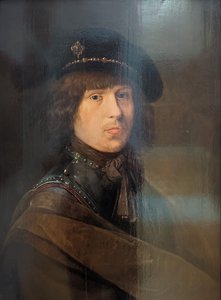
Pieter Symonsz Potter
1597 - 1652 , Netherlands
Quick Facts
- Artistic Movement Or Style: Golden Age
- Artists Who Influenced This Artist:
- Willem Bartsius
- Paulus Potter
- Date Of Birth: 1597, Enkhuizen
- Date Of Death: 1652, Amsterdam
- Full Name: Pieter Symonsz Potter
- Nationality: Dutch
- Notable Artworks:
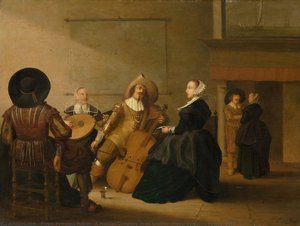
- A Musical Company in an Interior
- Vanitas Still Life
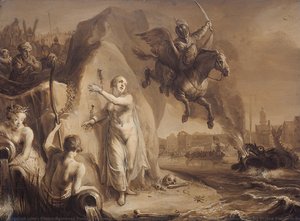
- Perseus and Andromeda
- Place Of Birth: Enkhuizen, Netherlands