 Preview
 Send
Send Share
Share
 Details

 Download
 Similars
 X-Ray
X-Ray Diaporama
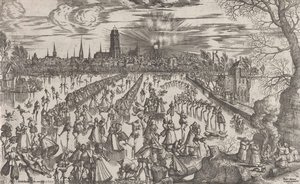
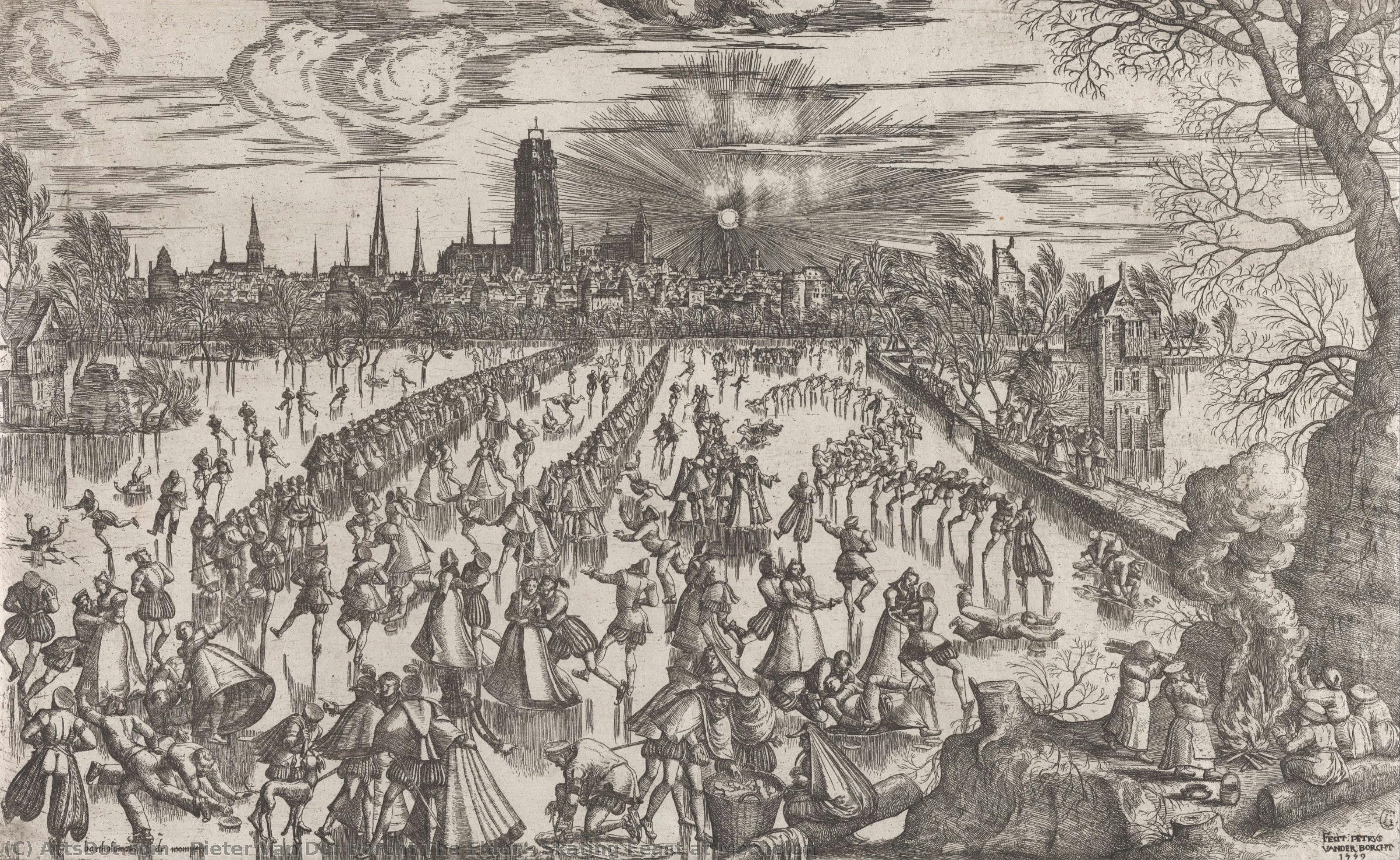
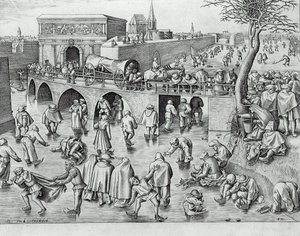
Skating Feast at Mechelen
 1559
1559 29.0 x 47.0 cm
 Museum Boijmans Van Beuningen
 Read More
Hand Made Oil Reproduction
Hand-painted oil on canvas in your size and frame, made to order by our artists. ( Buy Print Buy Image)




































Pick from our preset sizes that match the artwork's original proportions.

You may enter your own dimensions to fit a specific frame or space. If your selected size does not match the original image's proportions, we will either crop the artwork or extend the painting with additional hand-painted elements. A digital mockup will be sent for your approval before production begins.
Please note that the on-screen preview does not reflect the actual cropping or extension. Only the mockup will accurately show the final composition.
While custom sizes are available, we recommend selecting a dimension from the predefined list to preserve the original proportions.
After order, ArtsDot.com team will email client for instructions and provide a mockup preview
Worldwide Delivery () in 3/4 weeks instead of standard 5 weeks. (16 August). No compromise on quality.

Free Worldwide Express Shipping

High-Quality Linen Canvas

Full Shipping Insurance

Customs Tax Refund Guarantee

True Color Matching Guarantee

60-Day Return Policy (Defects Only)

100% Money-Back Guarantee

Bulk Discount Offer
 Glass option is only available in size under 110 CM

Skating Feast at Mechelen
Reproduction Medium
Reproduction Size
-


Total Price
$ 263
Related Artworks
Artist Biography
The Enigmatic Vision of Jean-Baptiste Bellet
Jean-Baptiste Bellet, a name perhaps less familiar than some of his contemporaries, nevertheless stands as a pivotal figure in the late 17th and early 18th centuries – a time of burgeoning artistic experimentation and shifting societal values. Born in Paris around 1608 (the exact date remains somewhat elusive, shrouded in the typical opacity of historical records for artists of that era), Bellet’s life unfolded against the backdrop of Louis XIV's opulent court and the rise of Jansenism, a theological movement emphasizing rigorous piety and intellectual rigor. While definitive biographical details are scarce – he appears to have deliberately cultivated an aura of mystery – his art speaks volumes about a man deeply engaged with both the sensual pleasures and spiritual anxieties of his time. Bellet’s early life is largely undocumented, though it's believed he received training in the atelier of Charles Le Brun, one of the leading painters at Versailles. This association undoubtedly shaped his technical skill and exposed him to the prevailing artistic trends of the French court – a style characterized by its dramatic lighting, dynamic compositions, and allegorical themes. However, Bellet quickly distinguished himself through a distinctly personal approach, moving beyond mere imitation towards a more introspective and emotionally charged aesthetic. His work wasn’t simply decorative; it was imbued with a palpable sense of melancholy and psychological depth, qualities that would become hallmarks of his distinctive style.A Palette of Shadows and Sensuality
Bellet's oeuvre is remarkably small – perhaps only around thirty works are definitively attributed to him. This scarcity contributes significantly to the mystique surrounding the artist. His subjects primarily revolved around female figures, often depicted in moments of quiet contemplation or intense emotion. These aren’t idealized beauties; they possess a vulnerability and a certain world-weariness that resonated deeply with viewers. He frequently employed a technique known as *chiaroscuro* – the dramatic contrast between light and shadow – to heighten the emotional impact of his scenes. The use of deep, enveloping shadows creates an atmosphere of intimacy and secrecy, drawing the viewer into the figure’s inner world. His palette favored rich, dark tones—deep reds, blues, and browns—further emphasizing this sense of drama and introspection.- Key Characteristics: Dramatic lighting, psychological depth, melancholic mood, intimate settings, focus on female figures.
- Technique: Masterful use of *chiaroscuro*, detailed rendering of fabrics and textures, subtle modeling of forms.
Influences and Artistic Context
Bellet’s artistic development was undoubtedly influenced by several key currents. The prevailing Baroque style, with its emphasis on grandeur and theatricality, provided a foundation for his early work. However, he moved beyond the purely decorative aspects of the Baroque, incorporating elements of Caravaggio's dramatic realism and Rembrandt's psychological insight. Furthermore, the intellectual climate of Jansenism profoundly shaped his artistic vision. The movement’s focus on introspection, piety, and the contemplation of mortality found expression in Bellet’s somber and emotionally charged paintings. There is a strong suggestion that he was also influenced by the emerging interest in scientific observation and the study of human anatomy, which informed his meticulous rendering of the female form.Notable Works and Legacy
Despite the limited number of surviving works, Bellet’s paintings are considered among the most significant examples of 17th-century French art. *The Lady with a Pearl*, often cited as one of his masterpieces, exemplifies his signature style – a solitary woman bathed in shadow, her expression conveying a profound sense of sadness and longing. *The Young Woman Reading*, another key work, captures a moment of quiet contemplation, suggesting a deeper narrative beyond the surface image. While Bellet’s influence is not immediately apparent in the grand narratives of the French court, his quietly powerful paintings continue to resonate with viewers today, offering a glimpse into the complex emotional landscape of a pivotal era. His work represents a shift towards greater psychological realism and introspection within the established artistic conventions of the time, solidifying his place as an artist who dared to explore the darker corners of the human experience.A Final Note
Jean-Baptiste Bellet remains something of an enigma – a deliberate choice perhaps, reflecting a life lived on the fringes of the opulent world of Louis XIV’s court. His art, however, speaks eloquently of a man deeply attuned to the complexities of human emotion and the enduring power of introspection. His legacy lies not in grand monuments or public acclaim, but in the quiet intensity and profound beauty of his paintings – works that continue to invite viewers into a world of shadows, secrets, and unspoken emotions.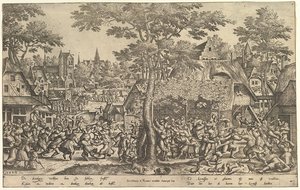
pieter van der borcht the elder
1608 , Belgium
Quick Facts
- Artistic Movement Or Style: World Goes Pop
- Date Of Death: 1608
- Notable Artworks:
- Evelyne Axell
- Joav BarEl
- Thomas Bayrle