 Preview
 Send
Send Share
Share
 Details

 Download
 Similars
 X-Ray
X-Ray Diaporama
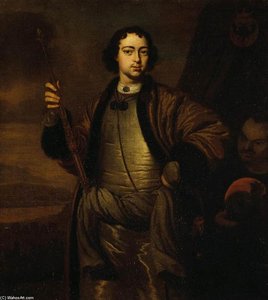
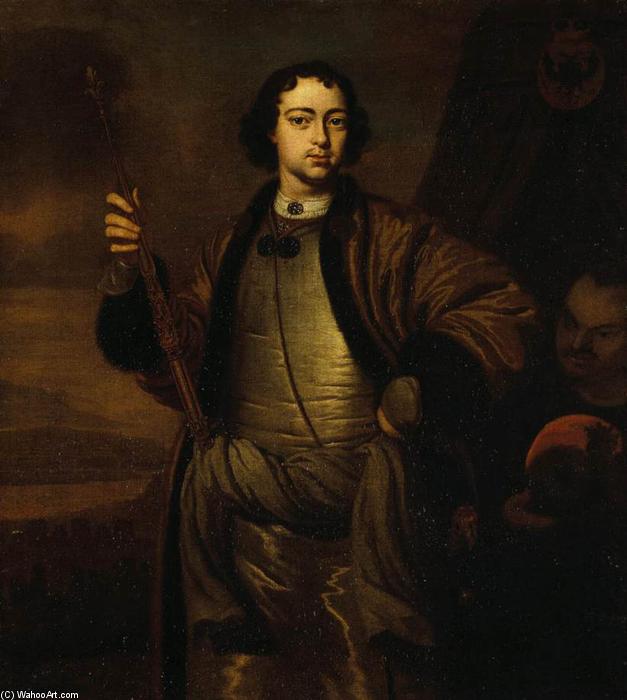
Portrait of Peter the Great
 Acrylic On Canvas
- WallArt
- Dutch Golden Age
 1690
1690 56.0 x 50.0 cm
 Hermitage Museum
 Read More
Hand Made Oil Reproduction
Hand-painted oil on canvas in your size and frame, made to order by our artists. ( Buy Print Buy Image)




P118B $10

P118H $10

P118W $10

P438Z $10

P508JH $12

P508YH $12

P805H $10

P805Z $10

P919BZ $10

P919G $10

P919XJ $10

P959ZH $10

P968JZ $12

W106C $8

W218G $10

W218JH $8

W218Y $10

W307PJ $10

W316G $10

W316PJ $8

W316Y $10

W398PJ $8

W4111J $10

W500HY $15

W500JH $15

W692G $12

W849H $8

W940BG $15

W953PJ $8




Pick from our preset sizes that match the artwork's original proportions.

You may enter your own dimensions to fit a specific frame or space. If your selected size does not match the original image's proportions, we will either crop the artwork or extend the painting with additional hand-painted elements. A digital mockup will be sent for your approval before production begins.
Please note that the on-screen preview does not reflect the actual cropping or extension. Only the mockup will accurately show the final composition.
While custom sizes are available, we recommend selecting a dimension from the predefined list to preserve the original proportions.
After order, ArtsDot.com team will email client for instructions and provide a mockup preview
Worldwide Delivery () in 3/4 weeks instead of standard 5 weeks. (22 August). No compromise on quality.

Free Worldwide Express Shipping

High-Quality Linen Canvas

Full Shipping Insurance

Customs Tax Refund Guarantee

True Color Matching Guarantee

60-Day Return Policy (Defects Only)

100% Money-Back Guarantee

Bulk Discount Offer
 Glass option is only available in size under 110 CM

Portrait of Peter the Great
Reproduction Medium
Reproduction Size
-


Total Price
$ 263
Artwork Description
The Regal Presence: Pieter van der Werff’s Portrait of Peter the Great
Pieter van der Werff's “Portrait of Peter the Great,” painted in 1690, is more than a simple likeness; it’s a carefully constructed tableau of power, ambition, and the burgeoning modernity of Russia under its transformative ruler. This remarkable work, now meticulously reproduced on hand-painted canvas by ArtsDot.com, offers a captivating glimpse into the era of Peter the Great – a period defined by sweeping reforms, Westernization, and an audacious reshaping of Russian identity. The painting immediately commands attention with its subject’s commanding presence: Tsar Peter I himself, rendered in exquisite detail against a subtly suggestive backdrop.
(Image courtesy of WGA)
A Refined Vision of the Dutch Golden Age
Pieter van der Werff, born in The Hague in 1665 and passing away in Rotterdam in 1722, was a pivotal figure within the vibrant artistic landscape of the Dutch Golden Age. While his brother, Adriaen van der Werff, achieved considerable renown through courtly portraits, Pieter carved out a distinct niche specializing in refined group portraits and scenes of the elite – a style characterized by an almost photographic realism combined with a masterful understanding of light and shadow. Van der Werff’s early embrace of Prussian blue pigment, a revolutionary innovation at the time, is particularly evident here, lending depth and richness to the painting's palette and contributing significantly to its dramatic effect. His work reflects the meticulous attention to detail that defined Dutch portraiture during this period, showcasing an impressive ability to capture not just physical appearance but also personality and status.
The Tsar’s Persona: Symbolism and Context
Peter the Great himself is depicted with a deliberate formality befitting his role as ruler. His posture – hands resting confidently on his hips – exudes authority and self-assurance. The meticulously rendered details of his attire—the luxurious glacé silk caftan, the broad sash belt adorned with brocade, and the gleaming sceptre—speak volumes about his wealth and power. Notably, he is dressed in a traditional Russian costume, reflecting his commitment to preserving elements of Russian culture while simultaneously embracing Western influences. The presence of the Kalmyk attendant holding a *murmolka* (a high-crowned hat), a symbol of boyar status, subtly reinforces Peter’s position at the apex of Russian society. The background, deliberately muted and indistinct, serves to focus attention entirely on the central figure, emphasizing his importance.
A Window into an Era: Reproduction and Artistic Legacy
ArtsDot.com's hand-painted reproductions capture the essence of van der Werff’s original with unparalleled fidelity. The meticulous brushstrokes, the nuanced rendering of textures – from the velvet of the caftan to the sheen of the sceptre – are faithfully reproduced, offering a tangible connection to this remarkable historical portrait. This reproduction allows viewers to appreciate not only the artistic skill involved but also the broader context of Peter the Great’s reign—a period of profound transformation and lasting impact on Russia's trajectory. Whether displayed in a grand hall or a private study, this artwork serves as a powerful reminder of an era defined by ambition, innovation, and the enduring legacy of Pieter van der Werff.
Related Artworks
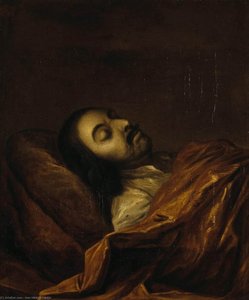
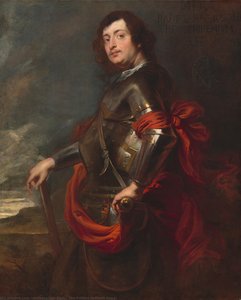
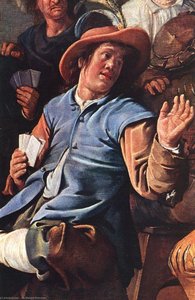
Artist Biography
A Refined Vision of the Dutch Golden Age: Pieter van der Werff
Pieter van der Werff, a name perhaps less immediately recognized than those of Rembrandt or Vermeer, nevertheless occupies a significant and fascinating niche within the pantheon of Dutch Golden Age painters. Born in The Hague in 1665 and passing away in Rotterdam in 1722, his career unfolded during a period of immense artistic flourishing in the Netherlands, yet he carved out a distinctive style characterized by elegance, meticulous detail, and an early embrace of innovative pigments. His life was deeply intertwined with that of his brother, Adriaen van der Werff, who served as both mentor and foundational influence, shaping Pieter’s trajectory from its earliest stages. While Adriaen achieved considerable renown – even securing a prestigious position at the court of the Elector Palatine – Pieter established himself primarily in Rotterdam, becoming the favored portraitist of the city's affluent citizenry and leaving behind a legacy that offers invaluable insights into the social fabric and aesthetic sensibilities of his time.Formative Years and Artistic Development
The artistic education received by Pieter van der Werff was profoundly shaped by familial ties. His older brother, Adriaen, already an established painter, provided not only technical instruction but also a crucial introduction to the prevailing artistic currents of the day. This early tutelage instilled in Pieter a commitment to precision and refinement, qualities that would become hallmarks of his mature style. He quickly distinguished himself through a remarkable ability to capture likenesses with both accuracy and psychological depth. His portraits weren’t merely representations of physical appearance; they were carefully constructed portrayals of status, personality, and social standing. The Baroque aesthetic, dominant during this era, profoundly influenced his work, manifesting in dramatic compositions, rich color palettes, and a heightened sense of emotional intensity. However, Pieter tempered the grandiosity often associated with Baroque art with a distinctly Dutch sensibility – a focus on realism, intimate detail, and a subtle psychological nuance that set him apart from many of his contemporaries.Portraits, Mythological Scenes, and a Pioneering Spirit
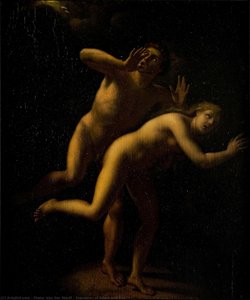
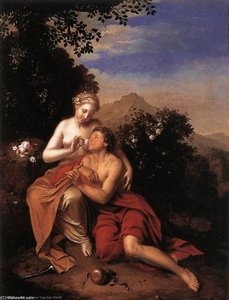
Van der Werff’s artistic output was diverse, encompassing portraiture, mythological scenes, historical narratives, and occasional forays into genre painting. However, it is in the realm of portraiture that he truly excelled. He immortalized prominent figures such as Paulus Verschuur, a Burgomaster of Rotterdam, and even Peter the Great of Russia, demonstrating his ability to convey power and authority through masterful brushwork and astute observation. These portraits are not simply historical records; they are compelling studies in character, revealing the inner lives of those who commissioned them. Beyond portraiture, Van der Werff engaged with classical mythology and history, creating works like “Expulsion of Adam and Eve” and “Granida and Diafilo,” which showcase his skill in depicting dramatic narratives and complex compositions. He also explored more intimate scenes of everyday life, as seen in paintings such as “Bellen blazen (Bubble Blowing),” revealing a sensitivity to the nuances of human interaction. Perhaps one of Van der Werff’s most significant contributions was his pioneering use of Prussian blue, a newly discovered pigment in the early 18th century. He was among the first Dutch painters to extensively incorporate this vibrant hue into his work, recognizing its potential to add depth, richness, and luminosity to his compositions. This innovative approach became a defining characteristic of his style, setting him apart from other artists of his generation.Legacy and Historical Significance
Pieter van der Werff’s importance extends beyond the aesthetic qualities of his paintings. His work serves as a valuable historical document, offering insights into the lives, fashions, and cultural values of Rotterdam's elite during the Dutch Golden Age. His portraits provide a visual record of the individuals who shaped the city’s political, economic, and social landscape. While he may not enjoy the same level of widespread recognition as some of his more celebrated contemporaries, Van der Werff’s refined technique, innovative use of color, and historical significance secure his place within the canon of Dutch Baroque painting. His paintings continue to be admired for their elegance, precision, and psychological depth, offering a compelling glimpse into a bygone era. His legacy endures as a testament to the enduring power of portraiture and the artistic achievements of the Dutch Golden Age.Further Exploration
Today, Van der Werff’s works are held in esteemed museums and private collections around the world, providing ample opportunities for continued study and appreciation. The accessibility of his art through institutions like ArtsDot.com allows a wider audience to experience the beauty and historical significance of his paintings.- Exploring these collections reveals not only his technical mastery but also the subtle nuances that define his unique artistic vision.
- Further research into the social context of 17th and 18th-century Rotterdam illuminates the world inhabited by Van der Werff’s sitters, enriching our understanding of his work.
- The influence of his brother Adriaen, and the broader artistic trends of the Dutch Golden Age, provide further avenues for exploration.
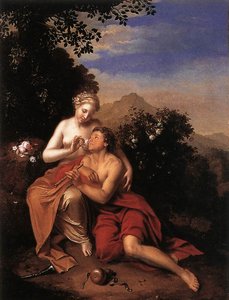
Pieter van der Werff
1665 - 1722 , Netherlands
Quick Facts
- Artistic Movement Or Style: Baroque
- Artists Who Influenced This Artist: ['Adriaen van der Werff']
- Date Of Birth: 1665
- Date Of Death: 1722
- Full Name: Pieter van der Werff
- Nationality: Dutch
- Notable Artworks:
- Expulsion of Adam and Eve
- Granida and Diafilo
- Bubble Blowing
- Johan de Vries portrait
- Place Of Birth: The Hague, Netherlands
Related Articles
Early Netherlandish Masters: 10 Paintings That Revolutionized Art & Decor
Journey into the Early Netherlandish Renaissance! Explore 10 iconic paintings by Jan van Eyck, Rogier van der Weyden & more. Discover stunning detail, symbolism, and oil painting techniques. Find museum-quality art reproductions for your home at ArtsDot.com.
Hugo van der Goes: Devotion, Innovation & the Psychological Depth of Early Netherlandish Painting
Explore the revolutionary art of Hugo van der Goes – a master of Early Netherlandish painting renowned for his dramatic realism, psychological depth & profound influence on Renaissance artists. Discover his iconic works and lasting legacy.

Rembrandt's Masterpieces: Explore 25 Iconic Paintings & Prints | ArtsDot
Journey through Rembrandt van Rijn's 25 most iconic paintings & etchings. Explore Dutch Golden Age masterpieces, dramatic chiaroscuro, and timeless portraits. Find museum-quality art reproductions to elevate your home decor on ArtsDot.com.

Early Netherlandish Masters: 10 Paintings That Revolutionized Art & Decor
Journey into the world of Early Netherlandish painting! Explore 10 masterpieces by Jan van Eyck, Rogier van der Weyden & more. Discover stunning detail, symbolism & Renaissance art for your home decor. Find museum-quality reproductions on ArtsDot.com
Rogier van der Weyden: Emotion, Innovation & the Early Netherlandish Renaissance
Explore the revolutionary art of Rogier van der Weyden, a pivotal figure of the Early Netherlandish Renaissance. Discover his emotional realism, innovative compositions, and lasting impact on painting history.