

 Preview
 Send
Send Share
Share
 Details

 Download
 Similars
 X-Ray
X-Ray Diaporama
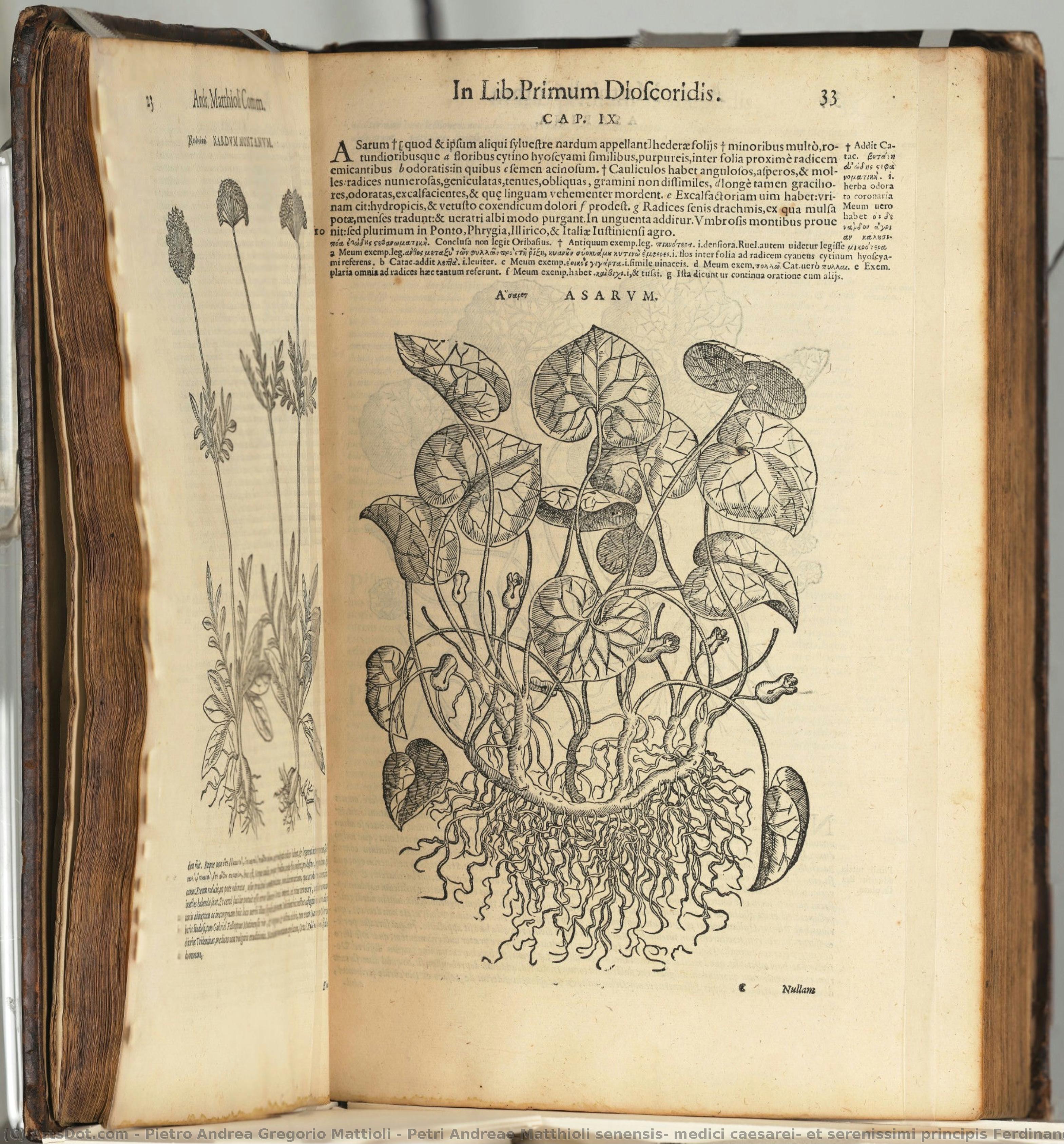
Petri Andreae Matthioli senensis, medici caesarei, et serenissimi principis Ferdinandi Archiducis Austriae &c. Commentarii in VI libros Pedacii Dioscoridis Anazarbei de Medica materia, ab ipso autore recogniti, et locis plus mille aucti.


 Read More
Purchase a high-resolution, enhanced digital image, far superior to the online preview.
Each file is meticulously prepared by our in-house specialists using advanced tools and expert manual retouching. We ensure every image has exceptional clarity, precise color accuracy, and fine detail.
The final file is delivered via email within 72 hours, optimized for immediate use in professional, editorial, and print environments. This is the same quality trusted by top-tier design studios, publishers, and galleries.
Digital Image
Download a high-resolution file for personal display, printing, and creative projects. ( Buy Print Buy Hand Made Painting)
Included in Every Digital Image Order
Expert Digital Delivery, Guaranteed
When you choose ArtsDot.com, you're not just getting an image - you're receiving a professionally enhanced digital artwork, crafted with precision and backed by a satisfaction guarantee. Here's everything that comes with your order, automatically:

Fast Email Delivery
Your high-resolution digital image file will be emailed to you within 72 hours of ordering - ready for immediate use.

AI-Enhanced Digital File
Your artwork is professionally optimized using advanced AI tools and manual editing, ensuring maximum detail, clarity, and color accuracy.

Free Lifetime Re-Delivery
Accidentally deleted or lost your file? No worries - we'll resend it to you anytime, free of charge.

No Import Fees - Ever
Enjoy your artwork instantly with zero customs, duties, or delivery fees - digital downloads are always tax-free.

Color Accuracy Guarantee
We ensure your digital image reflects the original colors as closely as possible using professional tools and color management.

60-Day Satisfaction Guarantee
If you're not satisfied with your digital image, we'll revise it or refund 100% within 60 days - no questions asked.

100% Money-Back Guarantee
Not satisfied? Get a full refund within 60 days of receiving your digital file - no questions asked.

Bulk Order Discounts
Buy 3 images, save 10% - Buy 5, save 15% - Buy 10+, save 20%. Great for creative projects, galleries, and agencies.
A Botanical Legacy Captured in Ink
To open the pages of Pietro Andrea Mattioli’s 1583 masterpiece is to step through a portal into the Renaissance, a time when the boundaries between scientific inquiry and artistic mastery were beautifully blurred. This exquisite botanical woodcut, part of his monumental commentary on Dioscorides, serves as more than just a medical record; it is a profound testament to the human desire to categorize, understand, and celebrate the natural world. The illustration captures a specimen with such meticulous precision that one can almost sense the texture of the leaves and the delicate fragility of the blossoms. Through the medium of woodcut, the artist has achieved a rhythmic interplay of light and shadow, using bold lines and intricate hatching to breathe life into the silent flora of the sixteenth century.
The artistry found within these pages reflects the intellectual fervor of the era. During Mattioli’s lifetime, the pursuit of botanical knowledge was an act of discovery that required both a keen eye for detail and a deep reverence for nature's complexity. The technique employed here—the careful carving of wood to create fine, organic details—demands a level of patience and skill that resonates with the modern collector. Each stroke of the engraver’s tool contributes to a sense of movement, as if the plant is caught in a fleeting moment of growth. For those who appreciate the intersection of science and fine art, this work offers a window into a period where every leaf and petal was a subject of intense study and aesthetic wonder.
Timeless Elegance for the Discerning Collector
For the interior designer or the passionate art enthusiast, a reproduction of such historical significance offers an unparalleled opportunity to infuse a space with intellectual depth and classical charm. The monochromatic elegance of the woodcut style allows it to integrate seamlessly into various decor themes, from the sophisticated austerity of a modern minimalist gallery to the warm, storied atmosphere of a traditional library or study. There is an inherent prestige in displaying works that carry the weight of history; they act as conversation pieces that invite contemplation and evoke a sense of timelessness.
Beyond its visual appeal, the emotional impact of Mattiary’s work lies in its connection to the earth and the enduring cycle of life. In an increasingly digital age, there is a profound longing for the tactile, the organic, and the authentic. Owning a high-quality reproduction of this botanical treasure allows one to bring that sense of groundedness into the home. It serves as a gentle reminder of our connection to the natural environment and the long lineage of scholars who sought to decode its mysteries. Whether framed as a singular focal point or part of a curated collection of scientific illustrations, this piece promises to inspire awe and provide a sophisticated touch of Renaissance splendor to any curated environment.
Related Artworks
Artist Biography
A Renaissance Mind: The Life and Legacy of Pietro Andrea Mattioli
Pietro Andrea Gregorio Mattioli, born in Siena in 1501, was a figure who straddled the worlds of medicine, botany, and natural history during a period of profound intellectual awakening. While often remembered as a physician, to define him solely by this profession would be a disservice to his multifaceted genius. He wasn’t merely *practicing* medicine; he was fundamentally reshaping how it was understood, intertwined with an emerging scientific curiosity about the plant kingdom that would leave an indelible mark on Renaissance scholarship and beyond. His family, though belonging to Siena's elite, faced economic hardship – a circumstance that perhaps instilled in him a pragmatic approach to knowledge, seeking utility and direct observation over abstract theorizing. After initial studies possibly undertaken in Venice, Siena, and Padua, Mattioli earned his medical degree from the University of Padua in 1523, embarking on a career that would take him through several Italian cities – Rome, Trento, Gorizia – and eventually to the courts of powerful European rulers like Ferdinand II of Austria and Maximilian II, Holy Roman Emperor.The Commentary on Dioscorides: A Landmark Publication
Mattioli’s enduring legacy rests upon his monumental commentary on the *De Materia Medica* of Pedanius Dioscorides, a first-century Greek pharmacopoeia that had long been the standard text for medicinal plants. Published in Italian in 1544, and subsequently translated into several languages – French, Czech, German – undergoing thirteen editions during his lifetime, Mattioli’s *Di Pedacio Dioscoride anazarbeo libri cinque* was far more than a simple translation. It represented a critical re-evaluation of classical knowledge through the lens of direct observation and contemporary understanding. He meticulously identified plants described by Dioscorides, correcting inaccuracies and adding descriptions of species not previously documented. This wasn’t merely about cataloging flora; it was an attempt to ground medical practice in verifiable reality. The success of his work stemmed from a combination of scholarly rigor, clear prose, and a growing demand for practical botanical knowledge among physicians and apothecaries.Bridging Classical Authority with Renaissance Observation
The intellectual climate of the 16th century presented Mattioli with both opportunities and challenges. While respecting the authority of ancient texts like Dioscorides, he also recognized the limitations of relying solely on secondhand information. The work of contemporaries such as Otto Brunfels and Leonhart Fuchs, who were producing beautifully illustrated herbals based on direct observation, undoubtedly influenced his approach. However, Mattioli distinguished himself by focusing not just on visual representation but on a detailed textual analysis coupled with firsthand experience. He described around 100 new plants, effectively expanding the known botanical world. His *Discorsi* (“Commentaries”) became a crucial resource for understanding medicinal botany, coordinating existing knowledge and paving the way for future research. The inclusion of an early depiction of the tomato – one of the first documented instances of its cultivation and consumption in Europe – is a testament to his keen observational skills and willingness to embrace novel botanical discoveries.A Physician at Court: Influence and Patronage
Mattioli’s career as a personal physician to prominent figures like Ferdinand II and Maximilian II provided him with access to resources and patronage that facilitated his scholarly pursuits. Serving in Prague and Vienna, he was able to study plants from diverse regions of Europe and beyond, further enriching his understanding of the botanical world. His position at court also allowed for wider dissemination of his work, ensuring its influence on medical practitioners across the continent. The quality of the woodcuts accompanying later editions of his *Commentarii* – commissioned in Prague by Giorgio Liberale and Wolfgang Meyerpeck – is particularly noteworthy. These intricate illustrations were not merely decorative; they served as essential tools for plant identification, even when textual descriptions were ambiguous. They represent a high point in Renaissance botanical illustration, combining artistic skill with scientific accuracy.Historical Significance: A Pioneer of Modern Botany
Pietro Andrea Mattioli’s contribution to the history of science extends far beyond his commentary on Dioscorides. He represents a pivotal figure in the transition from medieval herbalism to modern botany. By emphasizing direct observation, critical analysis, and detailed description, he laid the groundwork for a more empirical approach to plant study. His work influenced generations of botanists and physicians, shaping the development of pharmacopoeias and medical practices. The genus *Matthiola*, named in his honor by Charles Plumier in 1703 (later conserved as *Mathiola* by William Townsend Aiton), stands as a lasting tribute to his enduring legacy – a testament to the Renaissance mind that sought to understand the natural world through both scholarly rigor and direct engagement with its wonders. He also documented one of the first cases of cat allergy, demonstrating an early interest in understanding human sensitivities and reactions to the environment. Mattioli’s work wasn't simply about plants; it was about a new way of seeing – a new way of knowing.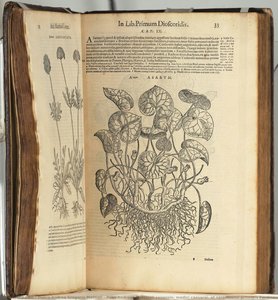
pietro andrea gregorio mattioli
1501 - 1577 , Italy
Quick Facts
- Artistic Movement Or Style: Renaissance Naturalism
- Date Of Birth: March 12, 1501
- Date Of Death: c. 1578
- Full Name: Pietro Andrea Gregorio Mattioli
- Nationality: Italian
- Notable Artworks: ['Commentarii in VI libros Pedacii Dioscoridis']
- Place Of Birth: Siena, Italy

