

 Preview
 Send
Send Share
Share
 Details

 Download
 Similars
 X-Ray
X-Ray Diaporama
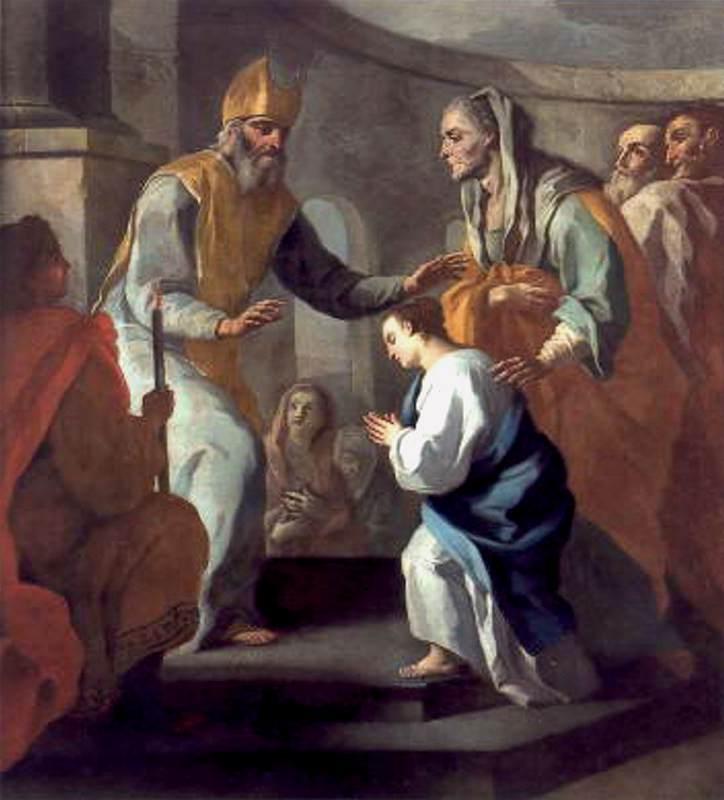
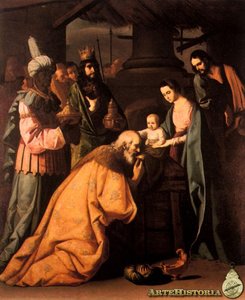
Presentation of the Virgin at the Temple
 153.0 x 153.0 cm
 Read More
Purchase a high-resolution, enhanced digital image, far superior to the online preview.
Each file is meticulously prepared by our in-house specialists using advanced tools and expert manual retouching. We ensure every image has exceptional clarity, precise color accuracy, and fine detail.
The final file is delivered via email within 72 hours, optimized for immediate use in professional, editorial, and print environments. This is the same quality trusted by top-tier design studios, publishers, and galleries.
Digital Image
Download a high-resolution file for personal display, printing, and creative projects. ( Buy Print Buy Hand Made Painting)
Included in Every Digital Image Order
Expert Digital Delivery, Guaranteed
When you choose ArtsDot.com, you're not just getting an image - you're receiving a professionally enhanced digital artwork, crafted with precision and backed by a satisfaction guarantee. Here's everything that comes with your order, automatically:

Fast Email Delivery
Your high-resolution digital image file will be emailed to you within 72 hours of ordering - ready for immediate use.

AI-Enhanced Digital File
Your artwork is professionally optimized using advanced AI tools and manual editing, ensuring maximum detail, clarity, and color accuracy.

Free Lifetime Re-Delivery
Accidentally deleted or lost your file? No worries - we'll resend it to you anytime, free of charge.

No Import Fees - Ever
Enjoy your artwork instantly with zero customs, duties, or delivery fees - digital downloads are always tax-free.

Color Accuracy Guarantee
We ensure your digital image reflects the original colors as closely as possible using professional tools and color management.

60-Day Satisfaction Guarantee
If you're not satisfied with your digital image, we'll revise it or refund 100% within 60 days - no questions asked.

100% Money-Back Guarantee
Not satisfied? Get a full refund within 60 days of receiving your digital file - no questions asked.

Bulk Order Discounts
Buy 3 images, save 10% - Buy 5, save 15% - Buy 10+, save 20%. Great for creative projects, galleries, and agencies.
Related Artworks






Artist Biography
Early Life and Training in the Neapolitan Tradition
Pietro Bardellino, born in Naples in 1728, emerged from a city steeped in artistic heritage – a vibrant center where Baroque grandeur was slowly yielding to the more delicate sensibilities of the Rococo. His initial training under Francesco de Mura, a leading figure in Neapolitan painting and a master of fresco decoration, proved foundational. De Mura instilled in Bardellino not only technical proficiency but also an appreciation for dramatic composition and a refined color palette. This early exposure shaped Bardellino’s artistic trajectory, setting him on a path to become a prominent interpreter of the Rococo style within the Italian peninsula. Naples at this time was a crucible of styles; while still bearing the weight of its Baroque past, it was increasingly open to influences from Rome and Venice, creating a dynamic environment for young artists like Bardellino to absorb diverse aesthetic currents. He quickly demonstrated an aptitude for both oil painting and fresco work, skills that would define his career.Director of the Academy and Embracing Rococo Sensibilities
Bardellino’s ascent within the Neapolitan art world was remarkably swift. In 1773, he assumed the directorship of the Accademia Napoletana del Disegno, an institution that would later evolve into the Royal Academy of Fine Arts in Naples. This position not only signified his standing among his peers but also afforded him considerable influence over the education of future generations of artists. As director, Bardellino championed a style increasingly aligned with the Rococo movement, though one tempered by the enduring traditions of Italian painting. He found particular inspiration in the works of Corrado Giaquinto, whose elegant forms and lyrical compositions resonated deeply with his own artistic inclinations. Bardellino wasn’t simply replicating Rococo trends; he was adapting them to a Neapolitan context, infusing them with a distinctly Southern Italian warmth and emotionality. His work began to reflect a preference for lighter subject matter, graceful figures, and an overall sense of refined beauty – characteristics that would become hallmarks of his mature style.Religious and Mythological Themes: A Synthesis of Style
The bulk of Bardellino’s oeuvre comprises religious and mythological paintings executed in both oil and fresco. He possessed a remarkable ability to translate complex theological narratives and classical allegories into visually compelling compositions. His religious works, while adhering to traditional iconography, are distinguished by their delicate handling of light and shadow, the expressive faces of his figures, and a palpable sense of devotion. He wasn’t merely illustrating stories; he was striving to evoke an emotional response in the viewer, drawing them into the sacred space depicted on canvas or wall. Similarly, his mythological scenes – often featuring gods and goddesses engaged in amorous encounters or moments of dramatic tension – are characterized by their graceful forms, vibrant colors, and a playful sensuality. The ceiling frescoes he executed for the church of San Giuseppe in Naples stand as prime examples of his mastery of this synthesis; they showcase his ability to create expansive, dynamic compositions that seamlessly integrate architecture and painting.Legacy and Historical Significance
Pietro Bardellino died in Naples in 1806, leaving behind a substantial body of work that reflects the transition from Baroque to Rococo aesthetics in Southern Italy. While perhaps not as widely celebrated as some of his contemporaries, he played a crucial role in shaping the artistic landscape of Naples during the latter half of the 18th century. His influence can be seen in the works of numerous artists who studied under him at the Academy, and his frescoes continue to adorn churches and palaces throughout the region. Bardellino’s significance lies not only in his technical skill but also in his ability to adapt foreign styles to a local context, creating a uniquely Neapolitan interpretation of the Rococo movement. He bridged the gap between the grandeur of the Baroque past and the elegance of the emerging neoclassical style, leaving a lasting legacy as a pivotal figure in Italian art history. His paintings offer a glimpse into the cultural and artistic life of 18th-century Naples – a city brimming with creativity, religious fervor, and a passion for beauty.- Key Influences: Francesco de Mura, Corrado Giaquinto
- Primary Mediums: Oil painting, Fresco
- Notable Works: Ceiling frescoes in the church of San Giuseppe, Naples.
- Artistic Style: Rococo with Neapolitan influences; characterized by grace, elegance, and emotionality.
Quick Facts
- Artistic Movement Or Style: Rococo
- Artists Who Influenced This Artist:
- Francesco de Mura
- Corrado Giaquinto
- Date Of Death: 1819
- Full Name: Pietro Bardellino
- Nationality: Italian
- Notable Artworks:
- Frescoes in San Giuseppe
- Religious paintings
- Mythological themes
- Place Of Birth: Naples, Italy

