

 Preview
 Send
Send Share
Share
 Details

 Download
 Similars
 X-Ray
X-Ray Diaporama
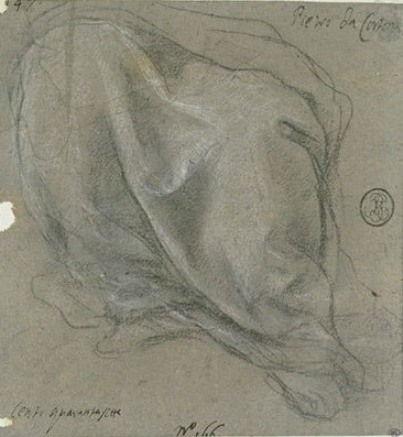
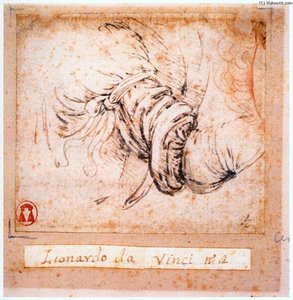
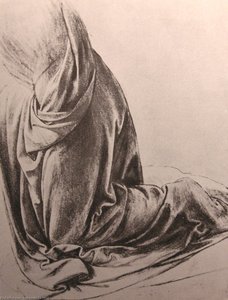
Drapery of the bottom of a body

 Read More
Purchase a high-resolution, enhanced digital image, far superior to the online preview.
Each file is meticulously prepared by our in-house specialists using advanced tools and expert manual retouching. We ensure every image has exceptional clarity, precise color accuracy, and fine detail.
The final file is delivered via email within 72 hours, optimized for immediate use in professional, editorial, and print environments. This is the same quality trusted by top-tier design studios, publishers, and galleries.
Digital Image
Download a high-resolution file for personal display, printing, and creative projects. ( Buy Print Buy Hand Made Painting)
Included in Every Digital Image Order
Expert Digital Delivery, Guaranteed
When you choose ArtsDot.com, you're not just getting an image - you're receiving a professionally enhanced digital artwork, crafted with precision and backed by a satisfaction guarantee. Here's everything that comes with your order, automatically:

Fast Email Delivery
Your high-resolution digital image file will be emailed to you within 72 hours of ordering - ready for immediate use.

AI-Enhanced Digital File
Your artwork is professionally optimized using advanced AI tools and manual editing, ensuring maximum detail, clarity, and color accuracy.

Free Lifetime Re-Delivery
Accidentally deleted or lost your file? No worries - we'll resend it to you anytime, free of charge.

No Import Fees - Ever
Enjoy your artwork instantly with zero customs, duties, or delivery fees - digital downloads are always tax-free.

Color Accuracy Guarantee
We ensure your digital image reflects the original colors as closely as possible using professional tools and color management.

60-Day Satisfaction Guarantee
If you're not satisfied with your digital image, we'll revise it or refund 100% within 60 days - no questions asked.

100% Money-Back Guarantee
Not satisfied? Get a full refund within 60 days of receiving your digital file - no questions asked.

Bulk Order Discounts
Buy 3 images, save 10% - Buy 5, save 15% - Buy 10+, save 20%. Great for creative projects, galleries, and agencies.
A Glimpse into Baroque Drape: Pietro da Cortona's Study of Form
This captivating charcoal drawing by Italian Baroque master Pietro da Cortona offers a fascinating glimpse into the artistic process behind his grand frescoes and architectural designs. "Drapery of the bottom of a body" isn’t a finished composition intended for display, but rather a meticulously observed study—a vital preparatory sketch demonstrating Cortona's mastery of form and texture through the depiction of draped fabric. The artwork focuses entirely on the folds and curves of cloth, creating a dynamic interplay of light and shadow that reveals his keen eye for detail and understanding of how drapery can convey volume and movement. It’s a testament to the importance of preparatory studies in achieving the illusionistic grandeur characteristic of Baroque art.Baroque Naturalism and Expressive Technique
The drawing exemplifies the stylistic hallmarks of 17th-century Italian drawing, particularly within the Baroque period. Cortona's technique is characterized by a directness of observation and an expressive use of charcoal. Lines are not precise or uniform; instead, they convey spontaneity and immediacy. The artist utilizes a range of strokes – delicate thin lines defining edges alongside bolder, more expressive marks creating shading—to build up the image gradually. This layering effect suggests a process of careful consideration and refinement as Cortona explored the interplay of light and shadow on the fabric's surface. The monochromatic palette of grays and browns further emphasizes the sketch-like quality, drawing attention to the texture and structure of the cloth rather than vibrant color. The absence of background allows the viewer to fully appreciate the intricacies of the drapery itself.Historical Context: Cortona’s Artistic Practice
Pietro da Cortona (1596-1669) was a prominent figure in the Roman art scene during the early and mid-17th century, known for his monumental frescoes and architectural projects. He trained under Andrea Commodi in Florence before moving to Rome where he worked alongside masters like Baccio Ciardi. This study likely served as preparation for larger works—perhaps figures within a fresco cycle or decorative elements in an architectural setting. Cortona’s commissions included significant decorations at the Church of Santa Bibiana and grand cycles such as "The Sacrifice of Polyxena," "The Triumph of Bacchus," and "The Rape of the Sabine." Understanding this context highlights the importance of these preparatory drawings, which reveal the meticulous planning and skill involved in creating Cortona’s celebrated public artworks.Emotional Resonance and Artistic Exploration
While seemingly simple in subject matter, “Drapery of the bottom of a body” evokes a sense of quiet contemplation and observation. The focus on texture and form invites viewers to appreciate the materiality of cloth—its weight, its folds, and how it interacts with light. The drawing’s expressive lines and tonal variations create a dynamic visual experience that transcends mere representation. It's an exploration of artistic skill, demonstrating Cortona’s ability to capture the essence of form through careful observation and masterful technique. This piece offers a unique opportunity to connect with the artist's creative process and appreciate the foundational work behind his larger masterpieces.Related Artworks
Artist Biography
A Tuscan Sun in the Roman Baroque
Pietro Berrettini, known to history as Pietro da Cortona, emerged from the rolling hills of Tuscany in 1596 to become a defining figure of the Italian Baroque. Born in the town that would lend him his more familiar name, Cortona possessed an innate artistic sensibility nurtured early on by training under Andrea Commodi in Florence. However, it was Rome – the pulsating heart of artistic innovation – that truly ignited his genius. Arriving around 1612/3, he entered the studio of Baccio Ciarpi, immersing himself in a world where illusion and drama were rapidly reshaping the visual landscape. Cortona wasn’t merely absorbing techniques; he was poised to become a master of creating breathtaking spectacles for both church and palace. His early work already hinted at the grandeur that would characterize his mature style, demonstrating a keen understanding of composition and a growing confidence in translating complex narratives onto canvas and fresco. He quickly established himself as a sought-after artist, securing commissions that allowed him to hone his skills and develop his distinctive voice.The Rise of an Illusionist
Cortona’s ascent was swift, fueled by talent and strategic patronage. The frescoes he executed in the church of Santa Bibiana (1624-1626), undertaken under the watchful eye of Gian Lorenzo Bernini, were pivotal. These works showcased not only his technical prowess but also a burgeoning ability to integrate architecture and painting into a unified, immersive experience. His style was already diverging from traditional approaches; he wasn’t simply decorating spaces, he was transforming them. The influence of earlier masters was evident – the rich color palettes of Titian and Paolo Veronese resonated in his work, while Raphael's compositional grace provided a foundation for his own dynamic arrangements. However, Cortona didn’t merely imitate; he synthesized these influences into something uniquely his own, characterized by a dramatic use of perspective and an increasing mastery of trompe-l'œil, the art of deceiving the eye. Early commissions for the Sacchetti family – including “The Sacrifice of Polyxena,” “The Triumph of Bacchus,” and “The Rape of the Sabine” (1626) – further solidified his reputation, demonstrating a flair for theatricality and narrative complexity. These early successes weren’t merely displays of skill; they were statements of intent, foreshadowing the monumental projects that would define his career.Palazzo Barberini: A Monumental Achievement
The year 1633 marked a turning point with the commission to decorate the Palazzo Barberini for Cardinal Francesco Barberini, nephew of Pope Urban VIII. This project wasn't just another assignment; it was an opportunity to create a monumental statement of Baroque art and papal power. The *Allegory of Divine Providence and Barberini Power* that adorns the palace’s grand salon is arguably his most celebrated achievement. Here, Cortona unleashed the full force of his illusionistic skills. He created a swirling vortex of figures, gods, and allegorical representations, all seemingly suspended in mid-air, extending the architectural space beyond its physical limits. The ceiling isn't merely painted; it is the space, an expansive realm where earthly power is legitimized by divine sanction. The dynamism, the vibrant colors, and the sheer scale of this work established Cortona as a leading figure of the Roman Baroque, rivaling even Bernini and Borromini in influence and acclaim. It became a model for subsequent ceiling decorations throughout Europe, inspiring generations of artists to push the boundaries of illusionistic painting. The Palazzo Barberini commission wasn’t simply about artistic execution; it was about crafting an ideology, visually representing the power and legitimacy of the Barberini family through masterful manipulation of space and form.Beyond Frescoes: Architecture and Lasting Legacy
While celebrated primarily as a painter, Cortona was also a gifted architect, though fewer of his architectural designs were actually realized. His distinctive approach favored inventive forms and a harmonious integration with decorative elements. He continued to receive prestigious commissions throughout his career, including work at the churches of Santa Maria in Vallicella and San Nicola da Tolentino in Rome. These later projects demonstrate a refinement of his style, characterized by an even greater emphasis on dramatic lighting and emotional intensity. He returned to Florence in 1637 and again in 1640, leaving his mark on the Pitti Palace with frescoes representing the Four Ages of Man. Pietro da Cortona passed away in Rome in 1669, leaving behind a legacy that continues to resonate today. His innovative use of trompe-l'œil, his masterful command of composition and color, and his ability to create immersive, emotionally charged environments cemented his place as one of the most important artists of the Baroque period. He didn’t just paint or build; he conjured worlds, inviting viewers to step into a realm where art and reality blurred, and the divine seemed within reach.Influences and Artistic Kinship
- Early Influences: Cortona's formative years were shaped by Florentine masters like Andrea Commodi, instilling in him a foundation of draftsmanship and compositional principles.
- Roman Baroque Masters: His arrival in Rome exposed him to the revolutionary work of artists such as Annibale Carracci, Caravaggio, and later, Bernini and Borromini. He absorbed their dramatic use of light and shadow, dynamic compositions, and emotional intensity.
- Venetian Colorism: The rich color palettes and atmospheric effects of Venetian painters like Titian and Veronese profoundly influenced Cortona’s approach to painting, adding a sensual quality to his works.
- Pietro Paolo Ubaldini: A faithful follower who carried on the traditions established by Cortona, demonstrating the artist's lasting impact on subsequent generations of painters.
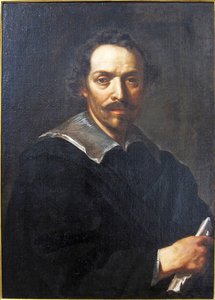
Pietro da Cortona
1596 - 1669 , Italy
Quick Facts
- Artistic Movement Or Style: Baroque
- Artists Or Movements Influenced By This Artist:
- European artists
- Illusionistic painters
- Artists Who Influenced This Artist:
- Titian
- Paolo Veronese
- Raphael
- Date Of Birth: 1596
- Date Of Death: 1669
- Full Name: Pietro da Cortona
- Nationality: Italian
- Notable Artworks:
- God in Glory
- The Guardian Angel
- Allegory of Divine Providence
- Place Of Birth: Cortona, Italy

