 Preview
 Send
Send Share
Share
 Details

 Download
 Similars
 X-Ray
X-Ray Diaporama
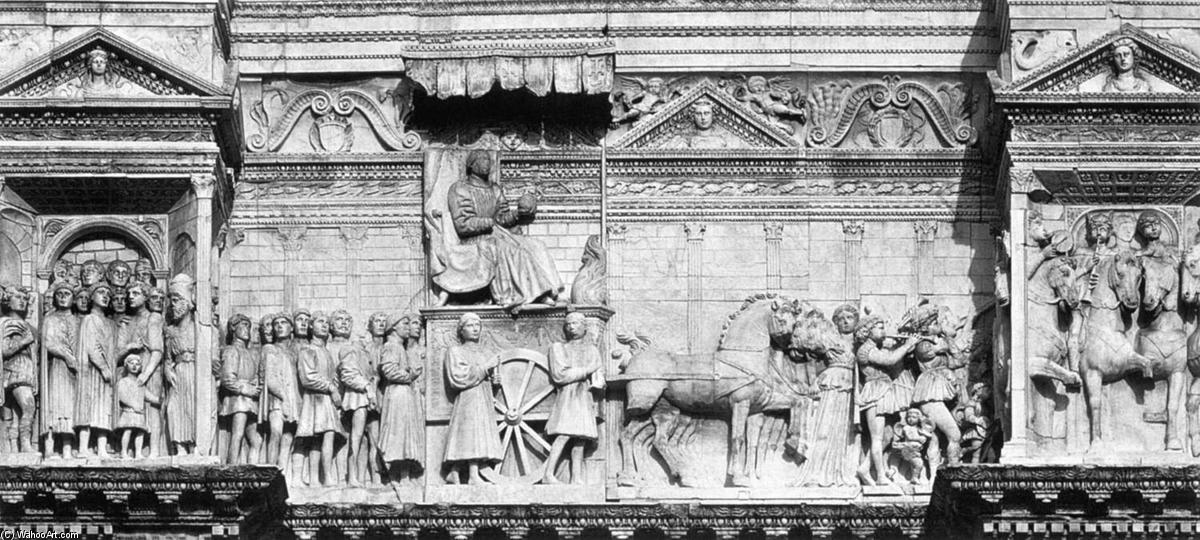
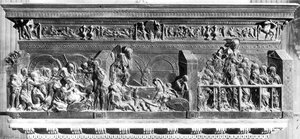
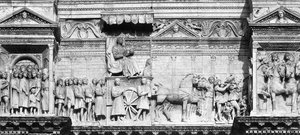
Alfonso of Aragon in Triumph with his Court


 Read More
Hand Made Oil Reproduction
Hand-painted oil on canvas in your size and frame, made to order by our artists. ( Buy Print Buy Image)




































Pick from our preset sizes that match the artwork's original proportions.

You may enter your own dimensions to fit a specific frame or space. If your selected size does not match the original image's proportions, we will either crop the artwork or extend the painting with additional hand-painted elements. A digital mockup will be sent for your approval before production begins.
Please note that the on-screen preview does not reflect the actual cropping or extension. Only the mockup will accurately show the final composition.
While custom sizes are available, we recommend selecting a dimension from the predefined list to preserve the original proportions.
After order, ArtsDot.com team will email client for instructions and provide a mockup preview
Worldwide Delivery () in 3/4 weeks instead of standard 5 weeks. (2 September). No compromise on quality.

Free Worldwide Express Shipping

High-Quality Linen Canvas

Full Shipping Insurance

Customs Tax Refund Guarantee

True Color Matching Guarantee

60-Day Return Policy (Defects Only)

100% Money-Back Guarantee

Bulk Discount Offer
 Glass option is only available in size under 110 CM

Alfonso of Aragon in Triumph with his Court
Reproduction Medium
Reproduction Size
-


Total Price
$ 263
Related Artworks





Artist Biography
The Sculptor of the Milanese Golden Age
In the vibrant tapestry of the Italian Renaissance, few figures loom as large in the architectural and sculptural landscape of Lombardy as Pietro da Milano. Born in Florence around 1410, his early years were steeped in the rigorous traditions of the Florentine masters. His formative training took place within the legendary workshop of Andrea del Verrocchio, a crucible of innovation where the boundaries between sculpture and painting were constantly being redefined. It was here that Pietro mastered the delicate balance of anatomical precision and expressive vitality, absorbing the techniques used in monumental works like David and Pegasus. This Florentine foundation provided him with a sophisticated understanding of classical ideals, which he would later transplant to the northern reaches of Italy.
The trajectory of Pietro’s career shifted dramatically when he moved toward the powerful court of Milan. Drawn by the immense patronage of Ludovico Sforza, the Duke of Milan, Pietro relocated to the city in 1469. This transition marked the beginning of a period of unparalleled artistic flourishing. Under the Sforza aegis, Pietro was not merely a craftsman but a visionary tasked with manifesting the grandeur and political legitimacy of the ducal house. His presence in Milan allowed him to bridge the gap between the refined elegance of Florentine sculpture and the monumental, imposing aesthetic required by the Milanese nobility.
Mastery in Bronze and Stone
Pietro’s sculptural achievements remain some of the most breathtaking examples of Renaissance bronze work. He possessed a rare ability to imbue cold metal with the warmth of life and the tension of movement. His Equestrian Statue of Francesco Sforza stands as a pinnacle of his career, capturing the commanding presence of the ruler through meticulous anatomical detail and a sense of dynamic forward momentum. This work, alongside his colossal bronze statues of Giovanni Galeazzo Visconti in the Piazza Castello, served to transform the ducal courtyard into a theater of historical memory and power.
Beyond the monumental, Pietro’s skill extended into the intricate and the sacred. His religious commissions, such as the statue of Saint George slaying the Dragon for the church of Sant'Alessandro al Verziano, reveal a master capable of profound emotional depth. In these works, the heavy folds of drapery and the expressive facial features demonstrate a command over texture and light that captivated contemporary viewers. His ability to blend the physical weight of stone and bronze with the ethereal qualities of spiritual narrative solidified his reputation as a sculptor of unparalleled versatility.
A Legacy of Integrated Artistry
While primarily celebrated as a sculptor, Pietro da Milano’s artistic vision was truly holistic, often blurring the lines between different media. He excelled in the creation of complex altarpieces that functioned as integrated sculptural and painted environments. His monumental altar for Santa Maria Maggiore is a testament to this approach, where he utilized intricate painted decorations to complement the structural grandeur of his sculptural elements. This synthesis of styles—the architectural, the sculptural, and the pictorial—became a hallmark of his mature period.
The historical significance of Pietro da Milano lies in his role as a cultural conduit. By bringing the sophisticated techniques of the Florentine Renaissance to the Milanese court, he helped shape the unique artistic identity of the Lombardy region. His work remains a vital study in how patronage and movement can redefine an artist's legacy, leaving behind a trail of monuments that continue to embody the ambition, grace, and enduring spirit of the Italian Renaissance.
pietro da milano
1410 - 1473 , Italy
Quick Facts
- Artistic Movement Or Style: Renaissance Painting
- Artists Or Movements Influenced By This Artist: ['Leonardo da Vinci']
- Artists Who Influenced This Artist:
- Andrea Mantegna
- Giovanni Battista Pontormo
- Date Of Birth: 1410
- Date Of Death: 1473
- Full Name: Pietro da Milano
- Nationality: Italian
- Notable Artworks:
- Alfonso of Aragon
- Saint Jerome
- Place Of Birth: Milan, Italy