 Preview
 Send
Send Share
Share
 Details

 Download
 Similars
 X-Ray
X-Ray Diaporama
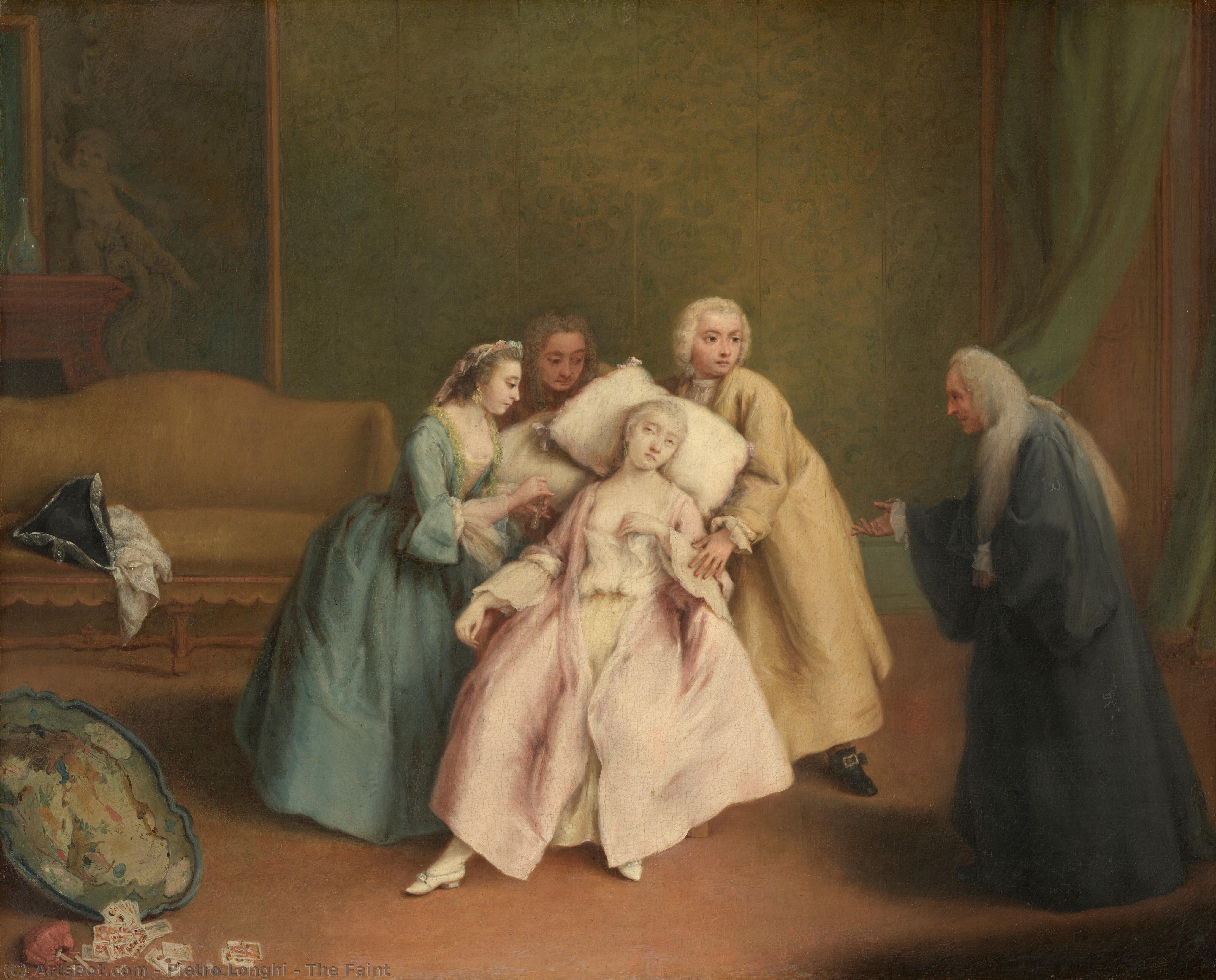
The Faint
 Oil
Oil- WallArt
- Rococo
 1744
1744- Early Modern
 50.0 x 62.0 cm
 Read More
Hand Made Oil Reproduction
Hand-painted oil on canvas in your size and frame, made to order by our artists. ( Buy Print Buy Image)




P118B $10

P118H $10

P118W $10

P438Z $10

P508JH $12

P508YH $12

P805H $10

P805Z $10

P919BZ $10

P919G $10

P919XJ $10

P959ZH $10

P968JZ $12

W106C $8

W218G $10

W218JH $8

W218Y $10

W307PJ $10

W316G $10

W316PJ $8

W316Y $10

W398PJ $8

W4111J $10

W500HY $15

W500JH $15

W692G $12

W849H $8

W940BG $15

W953PJ $8




Pick from our preset sizes that match the artwork's original proportions.

You may enter your own dimensions to fit a specific frame or space. If your selected size does not match the original image's proportions, we will either crop the artwork or extend the painting with additional hand-painted elements. A digital mockup will be sent for your approval before production begins.
Please note that the on-screen preview does not reflect the actual cropping or extension. Only the mockup will accurately show the final composition.
While custom sizes are available, we recommend selecting a dimension from the predefined list to preserve the original proportions.
After order, ArtsDot.com team will email client for instructions and provide a mockup preview
Worldwide Delivery () in 3/4 weeks instead of standard 5 weeks. (17 August). No compromise on quality.

Free Worldwide Express Shipping

High-Quality Linen Canvas

Full Shipping Insurance

Customs Tax Refund Guarantee

True Color Matching Guarantee

60-Day Return Policy (Defects Only)

100% Money-Back Guarantee

Bulk Discount Offer
 Glass option is only available in size under 110 CM

The Faint
Reproduction Medium
Reproduction Size
-


Total Price
$ 263
Artwork Description
A Moment Frozen in Venetian Elegance
In the quiet, intimate corners of 18th-century Venice, Pietro Longhi captured the subtle tremors of human emotion that grand historical canvases often overlooked. His masterpiece, The Faint, serves as a breathtaking window into a private domestic drama, inviting the viewer to witness a moment of profound vulnerability. The scene unfolds within a room draped in rich, avocado-green tones, where the air seems thick with the tension of a sudden medical or emotional crisis. At the heart of this composition lies a young woman, strikingly pale and seemingly adrift in a state of swooning, her body supported by a small, devoted circle of companions. The painting does not merely depict a scene; it captures a breath held in anticipation, making it an irresistible centerpiece for any collection focused on narrative depth and period charm.
The technical mastery of Longhi is evident in the way he orchestrates light and texture to guide the eye through this delicate tableau. The artist employs a sophisticated palette where the soft, pastel pink of the woman’s gown contrasts beautifully against the deep, mossy greens of the floral wallpaper. One can almost feel the weight of the voluminous satin fabrics—the teal-blue sheen of the attendant's gown and the heavy, golden drapery of the men's robes. Longhi’s brushwork is meticulous yet fluid, particularly in the rendering of the lace ruffles at the sleeves and the delicate pink ribbons adorning the white pillow. For the discerning interior designer, these intricate textures offer a sense of luxury and classical sophistication that complements both traditional and contemporary decor.
The Art of the Intimate Observer
Beyond its aesthetic beauty, The Faint is a profound study in social dynamics and the silent language of gestures. Longhi, often referred to as a chronicler of Venetian daily life, uses this composition to explore themes of care, concern, and the voyeuristic nature of high society. The figures surrounding the central subject are positioned with a theatrical grace; an older man gestures toward the woman with a sense of urgent inquiry, while another man braces her body, his blond curls catching the light. The presence of a glass vial held by a woman in profile suggests a medicinal intervention, adding a layer of realism and narrative suspense to the work. Every gaze, from the heavy-lidded eyes of the fainting woman to the watchful eyes of her attendants, contributes to a complex web of emotional interconnectedness.
For collectors seeking more than just decoration, this painting offers a rich historical dialogue. It represents a departure from the era's obsession with mythological grandeur, opting instead for the "genre" style—the depiction of everyday life. This shift allows the artwork to resonate on a deeply human level, making it an emotionally impactful piece that sparks conversation. Whether placed in a sunlit gallery or a moody, library-style study, a high-quality reproduction of this work brings with it the spirit of the Venetian Enlightenment, offering a timeless elegance that transcends the centuries and continues to enchant the modern eye.
Related Artworks
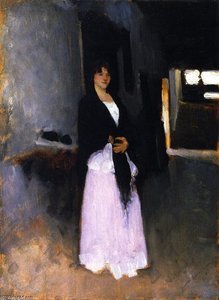
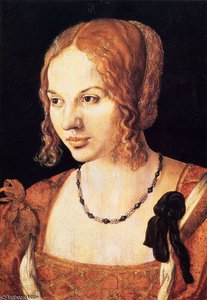
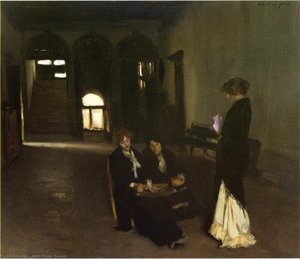
Artist Biography
A Venetian Chronicler of Daily Life
Pietro Longhi, born Pietro Falca in Venice on November 5th, 1701, wasn’t painting grand historical narratives or mythological scenes; he was capturing the quiet dramas unfolding within the city's elegant homes and bustling streets. He became renowned for his witty genre paintings – intimate glimpses into the lives of 18th-century Venetians, a departure from the prevailing artistic trends of his time. The son of Alessandro Falca, a silversmith, Longhi’s early training began under the Veronese painter Antonio Balestra, who recognized and nurtured the young artist's talent. This foundation in traditional technique would later serve as a subtle counterpoint to the innovative spirit he brought to his chosen subject matter. He adopted the surname “Longhi” upon beginning his artistic career, a symbolic shedding of his father’s trade for the pursuit of painting.From Religious Scenes to Venetian Interiors
Longhi's initial works reflected the expectations of the era: altarpieces and religious themes dominated his early portfolio. His 1732 altarpiece for the church of San Pellegrino demonstrates a skillful command of traditional techniques, showcasing broken brushwork and vibrant color glazes characteristic of Venetian painting. However, it was in the late 1730s that Longhi truly found his voice, shifting towards the small-scale genre scenes that would define his legacy. This transition wasn’t merely a change in subject matter; it represented a deliberate engagement with the burgeoning social and cultural shifts of the time. The 18th century witnessed a growing fascination with the private lives of the bourgeoisie, a focus on domesticity and everyday rituals. Longhi masterfully captured this shift, offering viewers a window into Venetian society that was both charming and subtly satirical. He married Caterina Maria Rizzi in 1732, and together they had eleven children, though only three survived to adulthood. This personal life, while not directly reflected in his art, undoubtedly shaped his understanding of the domestic sphere he so frequently depicted.The “Venetian Hogarth” and a Satirical Eye
Longhi quickly earned the moniker "the Venetian William Hogarth," a testament to his ability to infuse seemingly innocuous scenes with layers of social commentary. Like Hogarth, Longhi didn’t shy away from depicting human foibles and societal contradictions. However, while Hogarth's satire was often pointed and moralizing, Longhi’s tended to be more nuanced, imbued with a gentle irony. His paintings are populated with masked figures – a nod to the ubiquitous Carnival celebrations of Venice – engaged in various activities, from gambling and flirtation to clandestine meetings and dubious transactions. The Letter, for example, presents a scene rife with implied impropriety, hinting at the hidden undercurrents of Venetian society. He wasn’t simply recording life as it was; he was offering a sly commentary on its complexities and contradictions. His ability to capture these subtleties is what sets him apart, elevating his genre scenes beyond mere documentation into insightful social observations.Technique, Influence, and Lasting Legacy
Longhi’s technique was as distinctive as his subject matter. He favored small canvases, meticulously rendered with a delicate touch and a keen eye for detail. His interiors are bathed in soft light, creating an atmosphere of intimacy and realism. He possessed a remarkable ability to depict textures – the sheen of silk, the roughness of wood, the delicate folds of fabric – adding depth and authenticity to his scenes. While influenced by earlier Venetian masters like Giuseppe Maria Crespi, Longhi forged his own path, anticipating later developments in genre painting. His work resonated with contemporary audiences, who appreciated his ability to capture the spirit of their time. He even served as Director of the Academy of Drawing and Carving from 1763, further solidifying his position within the Venetian art world. His son, Alessandro Longhi, also became a painter, assisting him in later portrait commissions. Pietro Longhi passed away on May 8th, 1785, leaving behind a body of work that continues to captivate and intrigue viewers today. He remains a vital figure in the history of Venetian art, celebrated for his unique blend of observation, wit, and technical skill – a true chronicler of 18th-century life.Notable Works
- The Tailor (Gallerie dell'Accademia, Venice)
- The Baptism (Fondazione Querini Stampalia, Venice)
- Painter in his Studio (Ca’ Zenobio, Venice)
- The Concert
- The Charlatan
- Exhibition of a Rhinoceros (National Gallery, London)
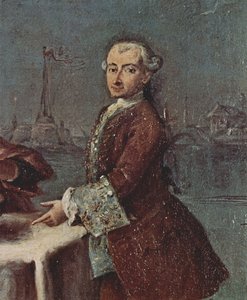
Pietro Longhi
1701 - 1785 , Italy
Quick Facts
- Artistic Movement Or Style: Venetian painting, Rococo
- Artists Or Movements Influenced By This Artist: ['William Hogarth']
- Artists Who Influenced This Artist:
- Antonio Balestra
- Giuseppe Maria Crespi
- Date Of Birth: November 5, 1701
- Date Of Death: May 8, 1785
- Full Name: Pietro Longhi
- Nationality: Italian
- Notable Artworks:
- The Tailor
- The Baptism
- Painter in his studio
- Duck Hunters on the Lagoon
- Place Of Birth: Venice, Italy
Related Articles
Verdant Visions: Exploring the Symbolism & Aesthetic Impact of Green in Art History
Explore the rich history & symbolism of green in art! Discover iconic paintings, techniques, and how to bring verdant harmony into your home with ArtsDot's expert guide.
Dark Olive Green Masterpieces: 10 Iconic Paintings & Decor Ideas
Explore 10 iconic paintings where dark olive green reigns supreme! From Van Gogh to Rembrandt, discover art history's most captivating masterpieces & the stories behind them. Find museum-quality reproductions and curated decor ideas at .
Chrome Green Masterpieces: 10 Famous Paintings & Their Alluring Hues |
Explore 10 famous paintings where 'Chrome Green' reigns supreme! Discover Monet, Manet & Van Gogh’s masterpieces. Learn the stories behind these iconic artworks and find museum-quality art reproductions for your home at .

Emerald Visions: Top 10 Paintings Dominated by Cadmium Green |
Explore 10 iconic paintings where cadmium green reigns supreme! From Monet to Van Gogh, discover the stories behind these masterpieces & the power of color. Find museum-quality art reproductions and elevate your home decor on .

Jacopo Tintoretto's Masterpieces: 25 Paintings That Define Venetian Drama | ArtsDot
Explore 25 breathtaking masterpieces by Jacopo Tintoretto, the Venetian master of drama and light. Discover the stories behind iconic Renaissance paintings & find museum-quality art reproductions to elevate your home decor on ArtsDot.com.