 Preview
 Send
Send Share
Share
 Details

 Download
 Similars
 X-Ray
X-Ray Diaporama
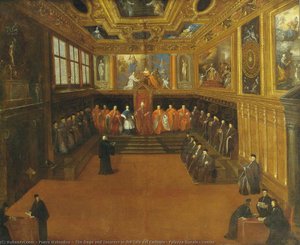
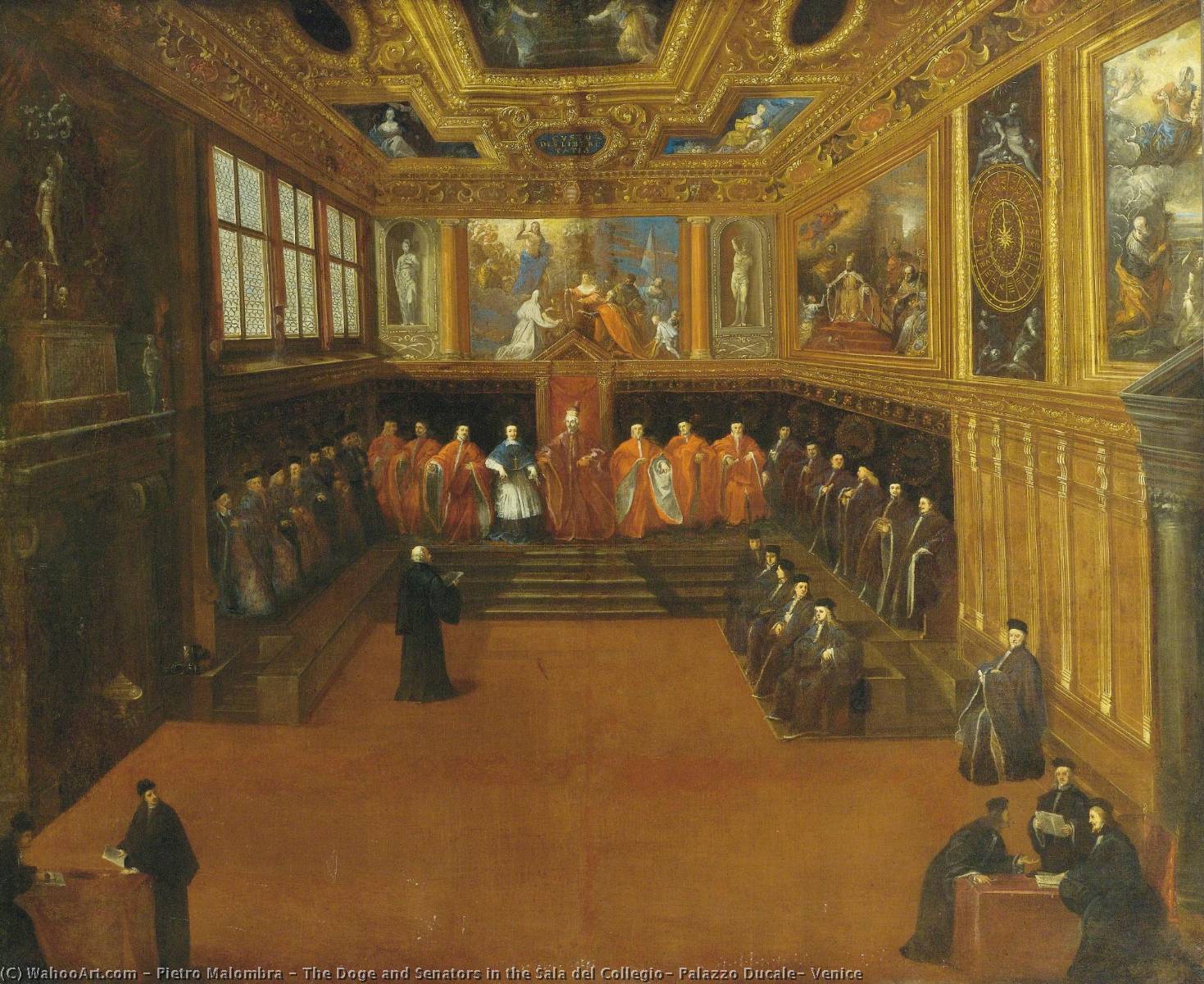
The Doge and Senators in the Sala del Collegio, Palazzo Ducale, Venice
 186.0 x 224.0 cm
 Read More
Hand Made Oil Reproduction
Hand-painted oil on canvas in your size and frame, made to order by our artists. ( Buy Print Buy Image)




































Pick from our preset sizes that match the artwork's original proportions.

You may enter your own dimensions to fit a specific frame or space. If your selected size does not match the original image's proportions, we will either crop the artwork or extend the painting with additional hand-painted elements. A digital mockup will be sent for your approval before production begins.
Please note that the on-screen preview does not reflect the actual cropping or extension. Only the mockup will accurately show the final composition.
While custom sizes are available, we recommend selecting a dimension from the predefined list to preserve the original proportions.
After order, ArtsDot.com team will email client for instructions and provide a mockup preview
Worldwide Delivery () in 3/4 weeks instead of standard 5 weeks. (31 August). No compromise on quality.

Free Worldwide Express Shipping

High-Quality Linen Canvas

Full Shipping Insurance

Customs Tax Refund Guarantee

True Color Matching Guarantee

60-Day Return Policy (Defects Only)

100% Money-Back Guarantee

Bulk Discount Offer
 Glass option is only available in size under 110 CM

The Doge and Senators in the Sala del Collegio, Palazzo Ducale, Venice
Reproduction Medium
Reproduction Size
-


Total Price
$ 263
Related Artworks






Artist Biography
Pietro Malombra: Venetian Renaissance Master
Pietro Malombra (1556 – 1618) stands as a singular figure within the Venetian Renaissance, an artist whose prolific output and distinctive style cemented his place among the foremost painters of his era. Born into a wealthy family in Venice—Bartolomeo Malombra, a clerk in the Ducal Chancellery, and Caterina Vasti—his early life was marked by privilege but shadowed by personal tragedy; his wife died shortly after their marriage, leaving him with a young son whom he diligently cared for. Despite facing considerable hardship during his artistic career, Malombra persevered, honing his craft under the tutelage of Giuseppe Porta (“il Salviati”), a renowned Venetian painter and teacher who profoundly shaped his artistic vision.- Early Influences & Training: Porta’s studio fostered an environment steeped in classical ideals and Venetian Mannerism, equipping Malombra with foundational skills in disegno (drawing) and composizione (composition). This formative period instilled a meticulous attention to detail and a masterful command of perspective—characteristics that would define his oeuvre.
- Notable Commissions & Patronage: Malombra’s artistic reputation quickly attracted the patronage of influential Venetian families, notably the Mocenigo and Grimani clans. These commissions afforded him access to prestigious projects, including monumental altarpieces for churches like San Pietro Martire and Sant'Andrea della Valle, showcasing his ability to convey religious emotion with dramatic flair.
- The Doge’s Palace & Civic Art: Perhaps Malombra’s most enduring legacy resides in his contributions to the decoration of Palazzo Ducale—the Doge’s Palace—where he undertook several ambitious undertakings. His frescoes depicting scenes from Venetian history, particularly “The Massacre of the Innocents,” exemplify his commitment to civic art and his desire to commemorate significant events within the republic's narrative.
- Style & Technique: Malombra’s artistic style is characterized by a blend of Mannerist rigor and Venetian naturalism. He employed a precise disegno technique, meticulously rendering textures and contours with remarkable accuracy—a hallmark of Venetian painting during his time. His compositions are often imbued with dynamism and theatrical grandeur, reflecting the influence of Caravaggio and emphasizing emotional intensity.
- Legacy & Recognition: Although Malombra’s output was relatively modest compared to contemporaries like Titian or Tintoretto, his works continue to captivate scholars and art enthusiasts alike. Recognized as a pivotal figure in Venetian Renaissance painting—a student of Giuseppe Salviati—he stands apart for his stylistic innovation and his unwavering dedication to portraying historical narratives with profound psychological insight.
Major Works & Artistic Achievements
Malombra’s artistic achievements spanned across diverse mediums, including frescoes, altarpieces, canvases, and etchings. Among his most celebrated paintings are “The Massacre of the Innocents,” a monumental fresco adorning Sant'Andrea della Valle in Rome—a testament to his mastery of dramatic storytelling and chiaroscuro—and “Saint Peter Martyr,” housed in San Pietro Martire, Venice. His etching series depicting Venetian landscapes further demonstrated his versatility as an artist.- Sant’Andrea della Valle Fresco: This ambitious project cemented Malombra's reputation for grandeur and emotional depth. The fresco portrays the martyrdom of Saint Peter—a poignant depiction of faith and suffering—executed with meticulous detail and masterful use of light and shadow.
- Saint Peter Martyr Altarpiece: Located in San Pietro Martire, Venice, this altarpiece showcases Malombra’s ability to convey religious emotion through evocative imagery and expressive brushwork.
- Venetian Landscapes Etchings: Malombra's etchings offer a glimpse into the Venetian landscape—capturing serene vistas and atmospheric effects with remarkable precision.
Influence & Artistic Connections
Pietro Malombra’s artistic trajectory was profoundly shaped by his association with Giuseppe Porta (“il Salviati”), who instilled in him a commitment to disegno and Venetian Mannerism—influences that would permeate his oeuvre. Furthermore, he engaged in dialogue with fellow artists of his time, notably Palma il Giovane, fostering a collaborative spirit within the Venetian art scene. His work resonated with Caravaggio’s dramatic style, mirroring its emphasis on tenebrismo (darkness) and psychological realism.- Giuseppe Porta: Malombra's teacher instilled in him a foundational understanding of disegno and Venetian Mannerism—influences that would define his artistic vision.
- Palma il Giovane: Collaborations with Palma il Giovane fostered a shared stylistic sensibility within the Venetian art community.
- Caravaggio Influence: Malombra’s paintings mirrored Caravaggio's dramatic style, prioritizing tenebrismo and psychological realism—a hallmark of Baroque art.
Historical Significance & Artistic Legacy
Pietro Malombra’s contribution to Venetian Renaissance art is undeniable—he stands as a pivotal figure in documenting the republic’s history and celebrating its cultural achievements. His frescoes adorning Palazzo Ducale—particularly “The Massacre of the Innocents”—remain enduring symbols of Venetian artistic grandeur and spiritual contemplation. Beyond his individual accomplishments, Malombra's legacy extends to shaping the stylistic landscape of Venice during his time—establishing a distinctive aesthetic that continues to inspire artists today.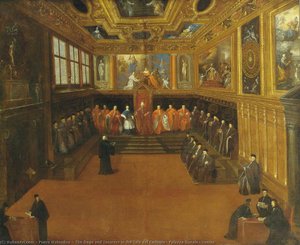
Quick Facts
- Artistic Movement Or Style: Venetian Renaissance
- Artists Or Movements Influenced By This Artist: ['Palma the Younger']
- Artists Who Influenced This Artist: ['Giuseppe Porta']
- Date Of Death: 1618
- Full Name: Pietro Malombra
- Nationality: Italian
- Notable Artworks: ['The Massacre of the Innocents']
- Place Of Birth: Venice