

 Preview
 Send
Send Share
Share
 Details

 Download
 Similars
 X-Ray
X-Ray Diaporama
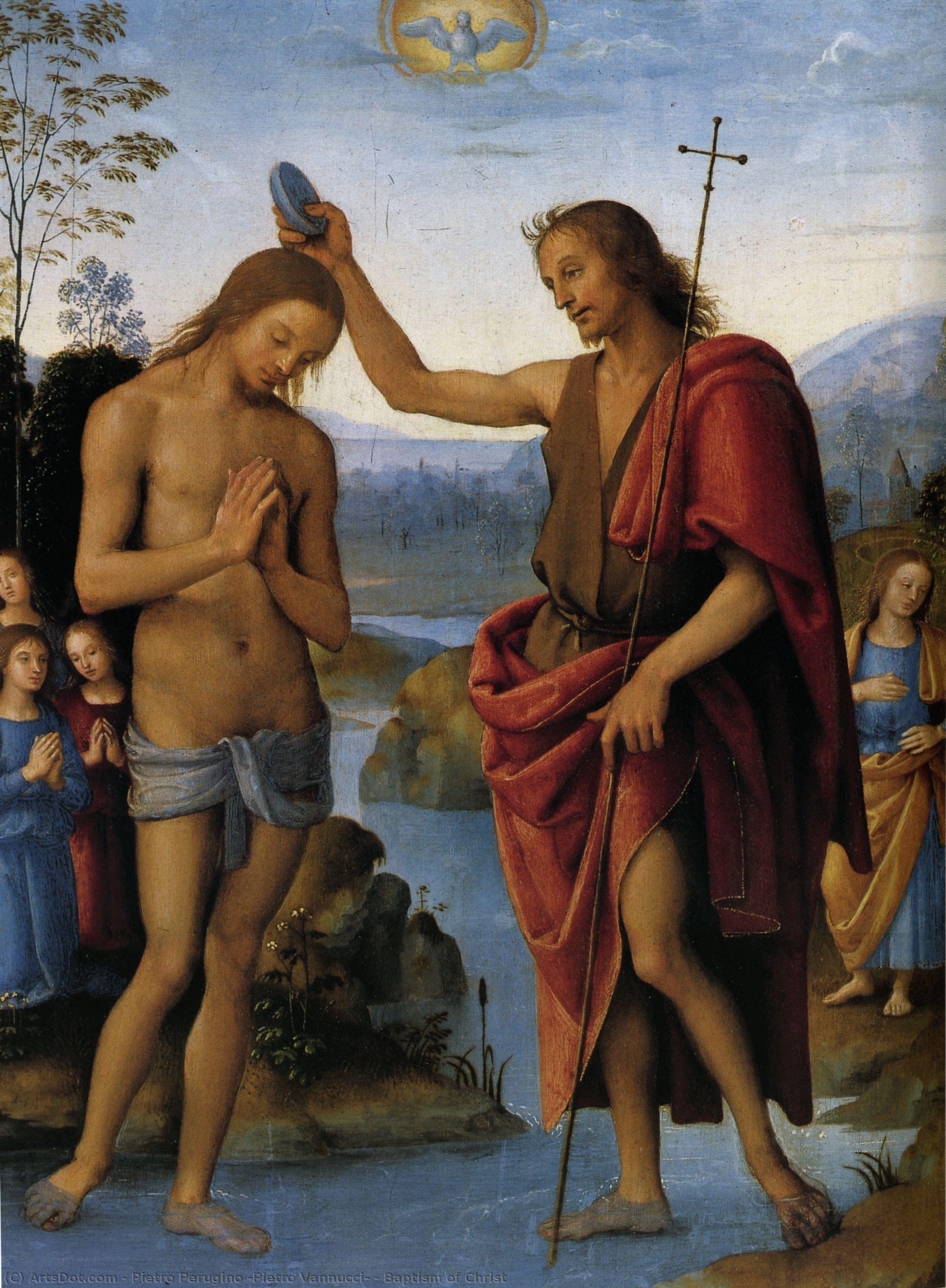
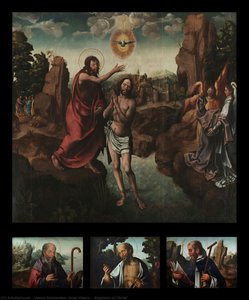
Baptism of Christ
 Oil
Oil- WallArt
- Renaissance
 1500
1500- Renaissance
 30.0 x 23.0 cm
 Kunsthistorisches Museum
 Read More
Purchase a high-resolution, enhanced digital image, far superior to the online preview.
Each file is meticulously prepared by our in-house specialists using advanced tools and expert manual retouching. We ensure every image has exceptional clarity, precise color accuracy, and fine detail.
The final file is delivered via email within 72 hours, optimized for immediate use in professional, editorial, and print environments. This is the same quality trusted by top-tier design studios, publishers, and galleries.
Digital Image
Download a high-resolution file for personal display, printing, and creative projects. ( Buy Print Buy Hand Made Painting)
Included in Every Digital Image Order
Expert Digital Delivery, Guaranteed
When you choose ArtsDot.com, you're not just getting an image - you're receiving a professionally enhanced digital artwork, crafted with precision and backed by a satisfaction guarantee. Here's everything that comes with your order, automatically:

Fast Email Delivery
Your high-resolution digital image file will be emailed to you within 72 hours of ordering - ready for immediate use.

AI-Enhanced Digital File
Your artwork is professionally optimized using advanced AI tools and manual editing, ensuring maximum detail, clarity, and color accuracy.

Free Lifetime Re-Delivery
Accidentally deleted or lost your file? No worries - we'll resend it to you anytime, free of charge.

No Import Fees - Ever
Enjoy your artwork instantly with zero customs, duties, or delivery fees - digital downloads are always tax-free.

Color Accuracy Guarantee
We ensure your digital image reflects the original colors as closely as possible using professional tools and color management.

60-Day Satisfaction Guarantee
If you're not satisfied with your digital image, we'll revise it or refund 100% within 60 days - no questions asked.

100% Money-Back Guarantee
Not satisfied? Get a full refund within 60 days of receiving your digital file - no questions asked.

Bulk Order Discounts
Buy 3 images, save 10% - Buy 5, save 15% - Buy 10+, save 20%. Great for creative projects, galleries, and agencies.
Collectible Description
A Divine Encounter in the Umbrian Light
In the quiet, luminous realm of the High Renaissance, few moments capture the intersection of the earthly and the divine as gracefully as Pietro Perugino’s Baptism of Christ. This exquisite piece, dating back to approximately 1500, serves as a profound window into the spiritual serenity that defined the Umbrian school of painting. The scene unfolds along the banks of the Jordan River, where the air seems thick with sanctity and the stillness of a sacred ritual. At the heart of this composition, we witness the pivotal moment of Christ’s baptism, orchestrated by John the Baptist. Perugino, a master of clarity and balance, directs our gaze toward the central figures, whose interaction is marked not by dramatic tension, but by a profound, meditative peace that invites the viewer into a state of quiet contemplation.
The technique employed in this work reflects the unparalleled mastery of Pietro Vannucci, known to history as Perugino. His brushwork achieves a remarkable transparency, allowing light to permeate the landscape and bathe the figures in a soft, ethereal glow. The composition is meticulously structured, utilizing a balanced arrangement that guides the eye through a tapestry of religious significance. Beyond the central duo, the painting breathes with life; onlookers gather at the water's edge, their presence grounding the miraculous event in a sense of communal witness. From the delicate flutter of a bird above the river to the symbolic placement of a cross in the upper periphery, every element is placed with intentionality, creating a rhythmic harmony that resonates with both theological depth and aesthetic perfection.
Symbolism and the Renaissance Spirit
To behold this painting is to read a visual liturgy. Perugino utilizes subtle symbolism to weave a narrative of redemption and rebirth. The flowing waters of the Jordan act as more than just a setting; they represent the cleansing of the soul, a theme central to the Christian tradition. The presence of celestial figures and angels scattered throughout the background suggests that the veil between heaven and earth has grown thin, allowing the divine to touch the mortal plane. This sense of sacred atmosphere is further enriched by the inclusion of symbolic objects, such as the book held by a figure, which alludes to the fulfillment of prophecy and the weight of scripture.
For the discerning collector or interior designer, this reproduction offers more than mere decoration; it provides an anchor of historical elegance. The painting’s palette—composed of soft earth tones, luminous blues, and gentle highlights—possesses a timeless quality that complements both classical and contemporary environments. It is a piece designed to evoke emotion, bringing a sense of tranquility and intellectual depth to any space. Whether placed in a sunlit gallery or a sophisticated study, the Baptism of Christ serves as a testament to the enduring power of Renaissance humanism, reminding us of the beauty found in stillness, clarity, and the eternal pursuit of grace.
Related Artworks

Artist Biography
The Serene Visionary of the Umbrian Renaissance
In the heart of the Italian Renaissance, amidst a period often defined by dramatic tension and complex human emotion, there emerged a voice of profound stillness and luminous clarity. Pietro Vannucci, known to history as Perugino, was not merely a painter but a master of atmosphere, a creator of heavens on earth whose brushwork breathed a sense of divine peace into the souls of his era. Born in the tranquil town of Città della㜿Pieve around 1446, Perugino’s early life was steeped in the traditions of the Umbrian school, an environment that favored grace and spiritual depth over the turbulent energy found in other artistic centers. His journey from a young apprentice to one of Europe's most sought-after masters is a testament to a talent that could harmonize the rigorous geometry of his predecessors with a new, tender humanism.
The foundations of Perugino’s style were laid through a meticulous apprenticeship and an insatiable curiosity for the evolving techniques of his time. His early training likely began under the guidance of Benedetto Bonfigli, but it was his exposure to the masters of perspective and light that truly sculpted his artistic identity. He absorbed the structural precision of Pietro della Francesca and the meticulous detail of Luca Signorelli, yet he possessed a unique ability to soften these rigid forms. In Florence, he even found himself working alongside a young Leonardo da Vinci in the workshop of Andrea del Verrocchio, an experience that undoubtedly enriched his understanding of light and shadow. This period was transformative, as Perugino became one of the early practitioners of oil painting, a medium that allowed him to achieve the translucent glazes and soft transitions that would become his hallmark.
A Legacy of Grace and the Shadow of Greatness
Perugino’s mature work is characterized by an unparalleled sense of equilibrium. His compositions often feature vast, airy landscapes that seem to stretch into eternity, populated by figures that possess a quiet, angelic dignity. Whether depicting the Madonna or a gathering of saints, his subjects inhabit a space of profound serenity, where every gesture is measured and every gaze is filled with contemplative piety. This "Umbrian style"—marked by clear outlines, luminous colors, and a balanced distribution of weight—became the standard for an entire generation of artists. His ability to create sacred spaces on flat surfaces made him the preferred choice for major ecclesiastical commissions throughout Umbria, Lazio, and Rome.
However, the history of Perugino is also one of complex relationships with the giants of his age. He was the teacher and mentor to the legendary Raphael, providing the young prodigy with the foundational vocabulary of classical composition and grace. While Raphael would eventually push these boundaries into the heights of the High Renaissance, the DNA of Perugino’s tranquil vision remained visible in his pupil's most celebrated works. Yet, this legacy was not without its frictions. The artist famously clashed with Michelangelo, a rivalry that reached such heights of animosity that Perugino even pursued legal action for defamation. Perhaps most poignantly, the physical traces of Perugino’s greatest triumphs were subject to the whims of history; his magnificent frescoes in the Sistine Chapel, including the Assumption of the Virgin, were eventually obscured by Michelangelo’s monumental Last Judgment, leaving only fragments and memories of his vanished masterpieces.
Despite the encroaching shadows of more dramatic styles, Perugino’s significance remains unshakable. He was a bridge between the early Renaissance's focus on form and the High Renaissance's mastery of emotion. His life, which ended in 1523, left behind a world transformed by his ability to find the divine in the simple, the quiet, and the clear. To look upon a Perugino painting is to step into a moment of eternal calm, a sanctuary of color and light that continues to offer solace to all who seek beauty in its purest, most unadorned form.
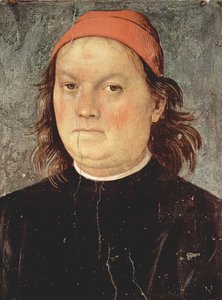
pietro perugino (pietro vannucci)
1446 - 1523
Quick Facts
- Artistic Movement Or Style: Umbrian School
- Artists Or Movements Influenced By This Artist: ['Raphael']
- Artists Who Influenced This Artist:
- Lorenzo Ghiberti
- Andrea Mantegna
- Date Of Birth: c. 1446/1452
- Date Of Death: 1523
- Full Name: Pietro Vannucci
- Nationality: Italian
- Notable Artworks:
- Saint Sebastian
- The Vision of St Bernard
- Assumption of the Virgin with Four Saints
- Place Of Birth: Città della Pieve, Umbria

