

 Send
Send Share
Share
 Details

 Download
 Similars
 Diaporama
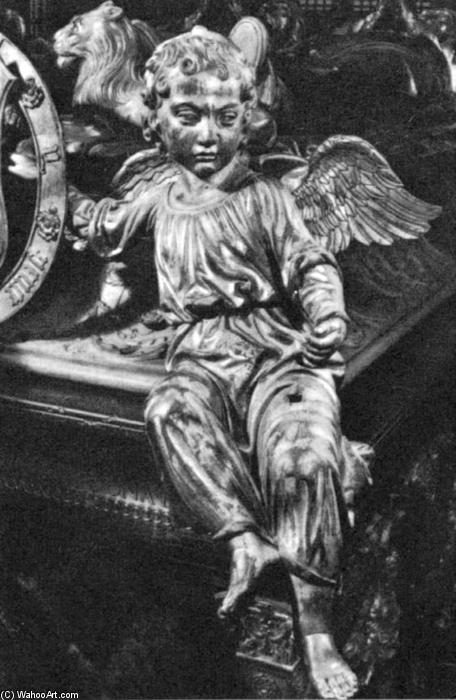
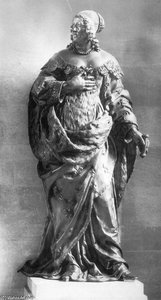
Monument to Henry VII (detail)


 Read More
Purchase a high-resolution, enhanced digital image, far superior to the online preview.
Each file is meticulously prepared by our in-house specialists using advanced tools and expert manual retouching. We ensure every image has exceptional clarity, precise color accuracy, and fine detail.
The final file is delivered via email within 72 hours, optimized for immediate use in professional, editorial, and print environments. This is the same quality trusted by top-tier design studios, publishers, and galleries.
Digital Image
Download a high-resolution file for personal display, printing, and creative projects. ( Buy Print Buy Hand Made Painting)
Included in Every Digital Image Order
Expert Digital Delivery, Guaranteed
When you choose ArtsDot.com, you're not just getting an image - you're receiving a professionally enhanced digital artwork, crafted with precision and backed by a satisfaction guarantee. Here's everything that comes with your order, automatically:

Fast Email Delivery
Your high-resolution digital image file will be emailed to you within 72 hours of ordering - ready for immediate use.

AI-Enhanced Digital File
Your artwork is professionally optimized using advanced AI tools and manual editing, ensuring maximum detail, clarity, and color accuracy.

Free Lifetime Re-Delivery
Accidentally deleted or lost your file? No worries - we'll resend it to you anytime, free of charge.

No Import Fees - Ever
Enjoy your artwork instantly with zero customs, duties, or delivery fees - digital downloads are always tax-free.

Color Accuracy Guarantee
We ensure your digital image reflects the original colors as closely as possible using professional tools and color management.

60-Day Satisfaction Guarantee
If you're not satisfied with your digital image, we'll revise it or refund 100% within 60 days - no questions asked.

100% Money-Back Guarantee
Not satisfied? Get a full refund within 60 days of receiving your digital file - no questions asked.

Bulk Order Discounts
Buy 3 images, save 10% - Buy 5, save 15% - Buy 10+, save 20%. Great for creative projects, galleries, and agencies.
Collectible Description
Monument to Henry VII by Pietro Torrigiano: A Testament to Renaissance Majesty
Pietro Torrigiano’s Monument to Henry VII stands as an enduring emblem of Florentine artistic prowess and the ambitious patronage of England's Tudor monarchs. Completed in 1512, commissioned by King Henry VIII following the divorce from Catherine of Aragon, this monumental sculpture embodies the ideals of humanist art – realism, meticulous detail, and a profound reverence for classical forms – reflecting the burgeoning Renaissance spirit that swept across Europe during its time. Located within Westminster Abbey, it remains one of the most striking examples of funerary sculpture produced in England during the period.A Sculptor’s Rivalry and Artistic Innovation
The genesis of Torrigiano's monumental undertaking is inextricably linked to a dramatic episode involving Michelangelo Buonarroti. Their collaboration on Masaccio’s frescoes in the Carmine chapel ended abruptly when Torrigiano reportedly assaulted Michelangelo after a perceived insult, resulting in a permanent deformity—a poignant reminder of the competitive fervor that characterized Florentine artistic circles. Despite this setback, Torrigiano persevered, securing royal commissions and honing his craft under the watchful eye of papal patronage, demonstrating remarkable resilience and dedication to his art.Detailed Examination: Composition and Technique
The sculpture itself depicts Henry VII and Elizabeth of York seated upon a throne crafted from alabaster, adorned with intricate carvings that evoke classical Roman grandeur. The angel figure flanking them exudes serenity and dignity, rendered in alabaster with exceptional precision—a testament to Torrigiano’s mastery of marble carving techniques. Strong lines delineate the contours of the figures' bodies and drapery, while graceful curves dominate the angel’s hair and robes, conveying a sense of movement and ethereal beauty. The sculptor skillfully employed shading and highlighting to sculpturally represent the textures of stone and fabric, capturing the essence of Renaissance realism.Symbolism and Emotional Resonance
Beyond its aesthetic qualities, the Monument to Henry VII carries profound symbolic significance. Angels traditionally represent divine messengers and purity—attributes deeply valued by Tudor monarchs seeking spiritual legitimacy for their reign. The seated posture embodies contemplation and reverence, reflecting the solemn purpose of commemorating the deceased rulers. Viewing this sculpture evokes a feeling of awe and admiration for the artistic achievements of the Renaissance era, transporting viewers back to a time of intellectual curiosity and artistic innovation.Historical Context: The Tudor Dynasty’s Artistic Vision
Henry VIII's decision to commission Torrigiano’s monumental tomb underscored his desire to solidify the monarchy’s prestige through grand artistic endeavors. This project aligns with the broader trend of royal patronage supporting ambitious sculptural projects aimed at glorifying the rulers and commemorating their legacy. The Monument to Henry VII stands as a tangible manifestation of Tudor England's embrace of humanist ideals and its aspiration to emulate the splendor of classical antiquity—a lasting testament to the transformative influence of Renaissance art on European culture.Related Artworks


Artist Biography
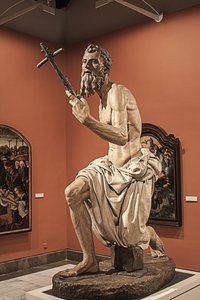
Pietro Torrigiano: A Florentine Sculptor in England
- Born: Florence, Italy (1472)
- Died: 1528
Early Life and Training
Pietro Torrigiano was born in Florence in 1472. He emerged as a significant sculptor within the Florentine school of the Renaissance, known for introducing Italian artistic styles to England. His early training took place under the patronage of Lorenzo de' Medici, alongside other talented youths studying art at that time. A defining moment in his youth was a violent altercation with Michelangelo Buonarroti. While copying frescoes by Masaccio in the Carmine chapel, Torrigiano reportedly struck Michelangelo on the nose after a slighting remark, resulting in a permanent disfigurement. This incident led to his exile from Florence.
Career and Artistic Development
Following his expulsion from Florence, Torrigiano spent time as a hired soldier before finding patronage in Rome, assisting Pinturicchio with stucco decorations for the Apartamenti Borgia under Pope Alexander VI. His skills eventually brought him to England around 1507, where he gained royal commissions. He produced terracotta sculptures depicting Henry VII, Henry VIII, and John Fisher. A significant achievement was the creation of the intensely realistic funeral effigy of Henry VII.
Major Works and Royal Commissions
- Tomb of Lady Margaret Beaufort: Completed in 1510, this work established Torrigiano's reputation in England.
- Monument to Henry VII and Elizabeth of York: Located in the Henry VII Lady Chapel of Westminster Abbey, this magnificent effigial monument is considered "the finest Renaissance tomb north of the Alps." It showcases detailed modeling and a fine posthumous portrait of King Henry VII.
- Altar, Retable, and Baldacchino for Henry VII's Monument: Torrigiano was commissioned to create these elaborate additions to the Henry VII monument. While largely destroyed by Puritans in the 17th century, fragments remain, demonstrating his skill in marble and terra cotta work.
- Funerary Monument for Henry VIII: Commissioned but never completed, this project aimed to surpass the scale of the Henry VII monument. The bronze intended for its construction was melted down during the Commonwealth period.
- Monument to Dr John Yonge: Torrigiano contributed to the monument of Dr John Yonge, Master of the Rolls, in the Rolls Chapel.
- Tomb of John Colet: He may have been responsible for the tomb of John Colet, though it was lost in the 1666 Great Fire of London.
Influences and Historical Significance
Torrigiano's work demonstrates influences from earlier Renaissance masters like Masaccio and Bertoldo di Giovanni. His ability to introduce Italian Renaissance artistic techniques to England significantly impacted English art during the Tudor period. While his career was marked by a volatile temperament, his skill as a sculptor is undeniable, particularly evident in the realism and detail of his royal commissions. He stands out for being one of the first Italian sculptors to work extensively in England, bridging the gap between continental Renaissance styles and emerging English artistic traditions.
Pietro Torrigiano
1472 - 1528 , Italy
Quick Facts
- Artistic Movement Or Style: Florentine Renaissance
- Artists Who Influenced This Artist:
- Masaccio
- Michelangelo
- Bertoldo di Giovanni
- Date Of Birth: 1472
- Date Of Death: 1528
- Full Name: Pietro Torrigiano
- Nationality: Italian
- Notable Artworks:
- Henry VII tomb
- Henry VIII funerary monument
- Lady Margaret Beaufort's tomb
- Place Of Birth (City And Country): Florence, Italy

