 Preview
 Send
Send Share
Share
 Details

 Download
 Similars
 X-Ray
X-Ray Diaporama
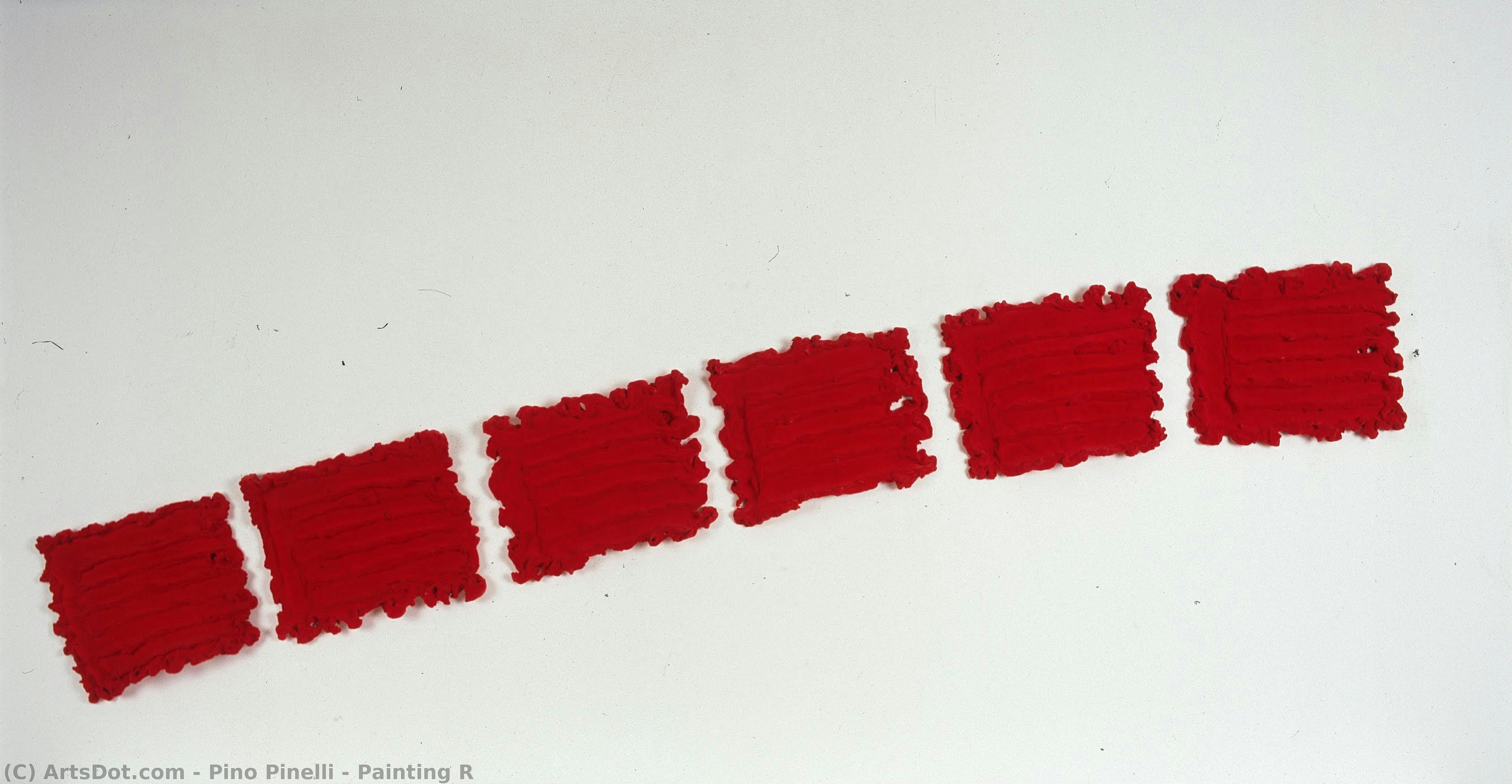
Painting R
 Geometric Abstraction
 37.0 x 31.0 cm
 MAGA - Museo Arte Gallarate
 Read More
Giclée / Art Print
Museum-quality giclée or canvas print with fast production and flexible finish options. ( Buy Hand Made Painting Buy Image)




































Pick from our preset sizes that match the artwork's original proportions.

You may enter your own dimensions to fit a specific frame or space. If your selected size does not match the original image's proportions, we will either crop the artwork or extend the image with a mirrored or solid-fill edge. A digital mockup will be sent for your approval before production begins.
Please note that the on-screen preview does not reflect the actual cropping or extension. Only the mockup will accurately show the final composition.
While custom sizes are available, we recommend selecting a dimension from the predefined list to preserve the original proportions.
Worldwide Delivery () in 2 weeks instead of standard 4/5 weeks. (7 September)

Free Worldwide Express Shipping

High-Quality Linen Canvas

Full Shipping Insurance

Customs Tax Refund Guarantee

True Color Matching Guarantee

100-Day Return Policy (Defects Only)

100% Money-Back Guarantee

Bulk Discount Offer
 Glass option is only available in size under 110 CM

Painting R
Giclée / Art Print
Reproduction Size
-


Total Price
$ 63
Related Artworks
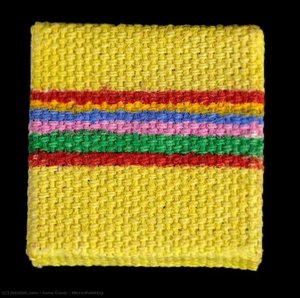
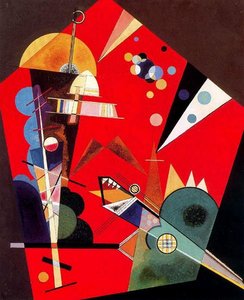
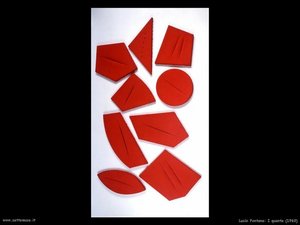
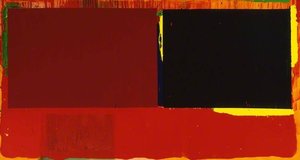
Artist Biography
Early Life and Artistic Awakening
Giuseppe “Pino” Pinelli was born on October 1st, 1938, in Catania, Italy, a city steeped in history and vibrant Mediterranean light. Though his artistic foundations were laid in Sicily, the true blossoming of his creative vision occurred after his move to Milan in 1963. This relocation wasn’t merely a change of scenery; it was an immersion into the heart of Italy's postwar avant-garde, a period buzzing with intellectual ferment and radical experimentation. Pinelli found himself drawn to the pioneering work of Lucio Fontana and Piero Manzoni, artists who were actively dismantling traditional notions of painting and sculpture. Their influence wasn’t about imitation but rather a catalyst for his own unique exploration—a quest to understand the very essence of what constituted a painted image. He quickly became involved in the artistic debate of those years, participating in exhibitions like the San Fedele awards and holding his first solo show at the Galleria Bergamini in 1968.The Rise of Pittura Analitica
By the early 1970s, Pinelli had firmly established himself as a key figure within the Pittura Analitica movement—a group dedicated to dissecting and analyzing the fundamental elements of painting: color, surface, form, and space. This wasn’t about creating visually arresting compositions in the traditional sense; it was an intellectual undertaking, a systematic investigation into the building blocks of visual perception. Pinelli's early works from this period reflect this analytical approach, often featuring topological studies and monochromatic canvases that served as testing grounds for his evolving ideas. He began to question the necessity of the canvas itself, exploring how painting could exist beyond its conventional boundaries. This led him towards a radical simplification, stripping away all extraneous elements to focus on the pure sensation of color and the interplay between surface and space.Fragmentation and Sensory Totality
A pivotal shift in Pinelli’s work occurred around 1976 with his “La rottura del quadro” (“The Breaking of the Painting”) series, marking a decisive departure from traditional painting techniques. He liberated the image from its support, creating fragmented compositions that were directly applied to the wall. These weren't simply broken pieces; they were carefully considered elements designed to interact with the surrounding architecture and engage the viewer in a new way. This fragmentation wasn’t an act of destruction but rather a means of expanding the possibilities of painting—a desire to create a more immersive, experiential artwork. Pinelli believed that perception was integral to experiencing art, describing it as “part and parcel of an indivisible sensory and psychic totality” that shapes our emotional and rational response to images. His work aimed to tap into this holistic experience, engaging not just the eye but also the body and mind.Materials and Tactile Qualities
Throughout his career, Pinelli demonstrated a remarkable sensitivity to materials. He wasn’t content with conventional paints and canvases; he experimented with unconventional substances—flannel, industrial powders, polyurethane—each chosen for its unique tactile qualities and visual properties. These materials weren't merely supports or mediums but active participants in the artwork, contributing to its overall texture, color, and spatial presence. The artist often manipulated these materials with his hands, imbuing them with a sense of physicality and warmth. This emphasis on tactility wasn’t accidental; it was a deliberate attempt to heighten the viewer's sensory experience, inviting them to engage with the artwork on a more intimate level. He sought to create works that were not just seen but also *felt*, resonating with a primal connection between art and the human body.Legacy and Lasting Influence
Pino Pinelli passed away in Milan on April 30th, 2024, at the age of 85, leaving behind a rich and complex body of work that continues to inspire artists and scholars alike. His contributions to Pittura Analitica were significant, challenging conventional notions of painting and paving the way for new forms of artistic expression. He exhibited extensively throughout Italy and internationally, with his works finding homes in prestigious collections such as the Centre Pompidou in Paris and the Museo del Novecento in Milan. Pinelli’s legacy lies not only in his innovative techniques but also in his profound exploration of perception, emotion, and the very nature of visual experience. He redefined the boundaries of painting, transforming it from a purely representational medium into an immersive, sensory encounter—a testament to his unwavering commitment to artistic experimentation and intellectual rigor.
pino pinelli
1938 - 2024 , Italy
Quick Facts
- Artistic Movement Or Style: Pittura Analitica
- Artists Who Influenced This Artist:
- Lucio Fontana
- Piero Manzoni
- Date Of Birth: October 1st, 1938
- Date Of Death: April 30th, 2024
- Full Name: Giuseppe "Pino" Pinelli
- Nationality: Italian
- Place Of Birth: Catania, Italy
Related Articles

Geometric Abstraction's 10 Defining Masterpieces | Art for Your Home - ArtsDot
Explore 10 defining masterpieces of Geometric Abstraction! Discover Kandinsky, Mondrian & Malevich’s iconic works. Find museum-quality art reproductions and curated decor ideas to elevate your home at ArtsDot.com.
Kandinsky's Masterpieces: 25 Paintings That Define Abstract Art | ArtsDot
Journey through Wassily Kandinsky's 25 most iconic abstract paintings. Explore his revolutionary use of color, form & spiritual expressionism. Find museum-quality Kandinsky reproductions and elevate your home decor with ArtsDot.com. Discover all masterpieces on ArtsDot.com!
Beyond Form & Color: Geometric Abstraction's Evolution in 20th/21st Century Art
Explore the evolution of geometric abstraction from Cubism to contemporary art. Discover key artists like Malevich & Mondrian, investment insights, and expert collecting advice at ArtsDot.
Beyond Form & Color: Geometric Abstraction's Enduring Legacy in Art History
Explore the captivating world of geometric abstraction! Discover its origins, key artists like Malevich & Mondrian, and why this movement remains highly valued by art collectors today. Expert insights at ArtsDot.
Abstract Expressionism's 10 Defining Masterpieces |
Explore 10 defining Abstract Expressionism masterpieces by Pollock, Rothko & de Kooning. Discover the stories behind these iconic paintings and find museum-quality art reproductions to elevate your home decor on .