 Preview
 Send
Send Share
Share
 Details

 Download
 Similars
 X-Ray
X-Ray Diaporama
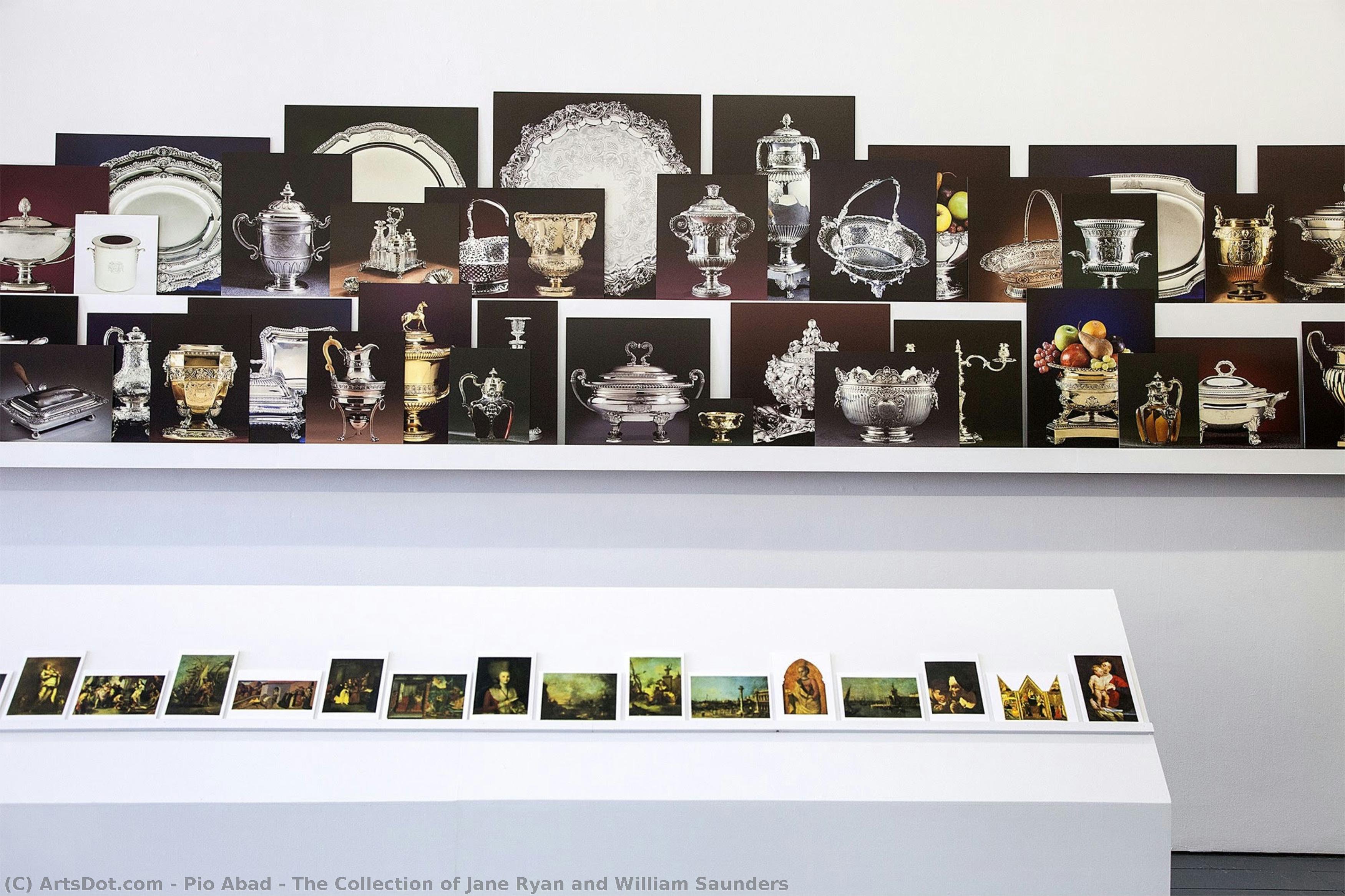
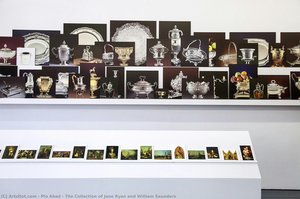
The Collection of Jane Ryan and William Saunders


 Read More
Giclée / Art Print
Museum-quality giclée or canvas print with fast production and flexible finish options. ( Buy Hand Made Painting Buy Image)




































Pick from our preset sizes that match the artwork's original proportions.

You may enter your own dimensions to fit a specific frame or space. If your selected size does not match the original image's proportions, we will either crop the artwork or extend the image with a mirrored or solid-fill edge. A digital mockup will be sent for your approval before production begins.
Please note that the on-screen preview does not reflect the actual cropping or extension. Only the mockup will accurately show the final composition.
While custom sizes are available, we recommend selecting a dimension from the predefined list to preserve the original proportions.
Worldwide Delivery () in 2 weeks instead of standard 4/5 weeks. (28 August)

Free Worldwide Express Shipping

High-Quality Linen Canvas

Full Shipping Insurance

Customs Tax Refund Guarantee

True Color Matching Guarantee

60-Day Return Policy (Defects Only)

100% Money-Back Guarantee

Bulk Discount Offer
 Glass option is only available in size under 110 CM

The Collection of Jane Ryan and William Saunders
Giclée / Art Print
Reproduction Size
-


Total Price
$ 63
Related Artworks



Artist Biography
A Tapestry of Heritage: The Art of Pio Abad
Pio Abad, born in the Philippines in 1983 and now based in London, is a visual artist whose work resonates with a deeply personal yet universally understood exploration of culture, identity, and memory. His canvases aren’t merely surfaces for paint; they are layered narratives woven with vibrant color and intricate technique, echoing both ancestral stories and contemporary experiences. Abad's artistic journey began steeped in the rich traditions of his homeland, but quickly blossomed into a unique visual language that transcends geographical boundaries. He doesn’t simply depict Filipino culture—he embodies it, transforming personal histories into compelling works that invite viewers to contemplate their own connections to heritage and belonging.Early Life and Artistic Foundations
Growing up in the Philippines provided Abad with an immersive education in artistry long before formal training. The country’s vibrant street life, its intricate textiles, and the powerful storytelling embedded within traditional crafts formed the bedrock of his aesthetic sensibility. While details surrounding his early artistic development remain somewhat private, it is clear that this formative period instilled a profound respect for handmade objects and the cultural weight they carry. This reverence would later become central to his signature technique: trapunto painting. The influence of his mother, Pacita Abad, a renowned Filipina-American artist known for her boldly colorful mixed-media works, is undeniable. However, Pio has forged his own distinct path, moving beyond the purely abstract and embracing a more figurative, symbolic approach. He often speaks of wanting to honor his mother’s legacy while simultaneously establishing his unique artistic voice.The ‘Masks & Spirits’ Series: A Visual Language of Identity
Abad is perhaps best known for his captivating ‘Masks & Spirits’ series. These paintings are immediately striking, characterized by their intense color palettes and the recurring motif of masked figures. But these aren't masks in the traditional sense of concealment; rather, they represent layers of identity – personal, cultural, historical. Each mask is meticulously crafted using trapunto, an ancient quilting technique that involves stuffing fabric to create a raised, three-dimensional effect. This process isn’t merely aesthetic; it imbues the works with a tactile quality, suggesting both fragility and resilience. The spirits depicted alongside the masks are often drawn from Filipino folklore and mythology, acting as guides or guardians within these complex narratives. The series is a powerful meditation on the complexities of self-representation, exploring how individuals navigate multiple cultural identities in an increasingly globalized world.Technique and Influences: Beyond Tradition
Abad’s mastery of trapunto painting sets him apart. He elevates this traditional technique to a fine art form, using it not just for texture but as a means of storytelling. The process is incredibly labor-intensive, requiring meticulous stitching and layering of fabrics. This dedication reflects the artist's commitment to honoring the handmade and preserving cultural practices. Beyond his mother’s influence, Abad draws inspiration from Southeast Asian textile traditions, particularly Indonesian batik and Malaysian songket. He also cites a fascination with religious iconography, evident in the symbolic use of color and composition within his works. His palette is often bold and saturated, reminiscent of traditional Filipino folk art but infused with a contemporary sensibility. The layering of fabrics and patterns creates a sense of depth and complexity, mirroring the multifaceted nature of identity itself.Historical Significance and Contemporary Relevance
Pio Abad’s work occupies an important space within the contemporary art landscape. He is part of a growing movement of artists who are reclaiming and reinterpreting traditional techniques and cultural narratives. His paintings offer a nuanced perspective on Filipino identity, challenging stereotypical representations and celebrating the richness of its heritage.- His exploration of masks as symbols of layered identity resonates with broader discussions about globalization, migration, and cultural hybridity.
- The use of trapunto painting not only showcases technical skill but also highlights the importance of handmade objects in a digital age.
- Abad’s work serves as a bridge between generations, honoring his mother's legacy while forging a new path for contemporary Filipino art.
pio abad
1983 - , Philippines
Quick Facts
- Artistic Movement Or Style: Trapunto Painting
- Artists Or Movements Influenced By This Artist: Charles Rennie Mackintosh
- Artists Who Influenced This Artist: Pacita Abad
- Full Name: Pio Abad
- Nationality: Filipino
- Notable Artworks: ['Masks & Spirits']
- Place Of Birth: Manila, Philippines