

 Preview
 Send
Send Share
Share
 Details

 Download
 Similars
 X-Ray
X-Ray Diaporama
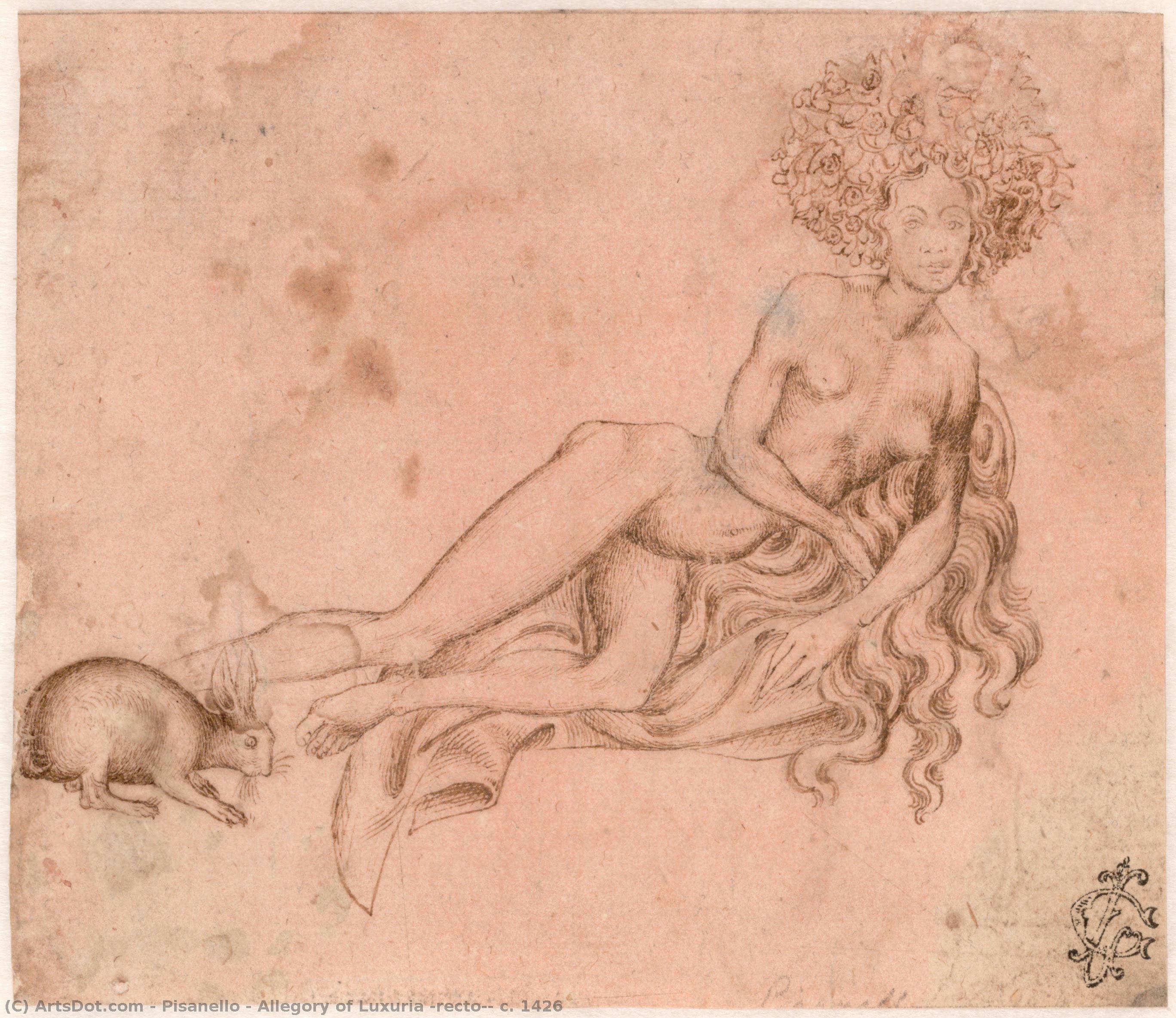
Allegory of Luxuria (recto), c. 1426


 Read More
Purchase a high-resolution, enhanced digital image, far superior to the online preview.
Each file is meticulously prepared by our in-house specialists using advanced tools and expert manual retouching. We ensure every image has exceptional clarity, precise color accuracy, and fine detail.
The final file is delivered via email within 72 hours, optimized for immediate use in professional, editorial, and print environments. This is the same quality trusted by top-tier design studios, publishers, and galleries.
Digital Image
Download a high-resolution file for personal display, printing, and creative projects. ( Buy Print Buy Hand Made Painting)
Included in Every Digital Image Order
Expert Digital Delivery, Guaranteed
When you choose ArtsDot.com, you're not just getting an image - you're receiving a professionally enhanced digital artwork, crafted with precision and backed by a satisfaction guarantee. Here's everything that comes with your order, automatically:

Fast Email Delivery
Your high-resolution digital image file will be emailed to you within 72 hours of ordering - ready for immediate use.

AI-Enhanced Digital File
Your artwork is professionally optimized using advanced AI tools and manual editing, ensuring maximum detail, clarity, and color accuracy.

Free Lifetime Re-Delivery
Accidentally deleted or lost your file? No worries - we'll resend it to you anytime, free of charge.

No Import Fees - Ever
Enjoy your artwork instantly with zero customs, duties, or delivery fees - digital downloads are always tax-free.

Color Accuracy Guarantee
We ensure your digital image reflects the original colors as closely as possible using professional tools and color management.

60-Day Satisfaction Guarantee
If you're not satisfied with your digital image, we'll revise it or refund 100% within 60 days - no questions asked.

100% Money-Back Guarantee
Not satisfied? Get a full refund within 60 days of receiving your digital file - no questions asked.

Bulk Order Discounts
Buy 3 images, save 10% - Buy 5, save 15% - Buy 10+, save 20%. Great for creative projects, galleries, and agencies.
Related Artworks

Artist Biography
A Life Bridging Worlds: The Art of Pisanello
Born Antonio di Puccio Pisano in Pisa around 1395, Pisanello emerged as a pivotal figure in the transition from the International Gothic style to the burgeoning Renaissance. His very name—sometimes rendered Vittore Pisano, a misattribution by Giorgio Vasari—hints at the enduring mystique surrounding his life and work. While precise details remain elusive, we know he spent formative years absorbing the refined traditions of Veronese painting, a foundation that would forever inform his delicate linework and appreciation for opulent detail. This early influence wasn’t confined to technique; it instilled in him a love for richly textured fabrics, gleaming surfaces, and an overall aesthetic of courtly elegance. Around 1415-1420, a crucial apprenticeship with Gentile da Fabriano commenced, solidifying Pisanello's artistic trajectory. From Gentile, he inherited not only technical mastery but also a discerning eye for precious materials and a commitment to meticulous observation—qualities that would become hallmarks of his style. He traveled extensively throughout Italy, securing commissions from various courts – Florence saw him immortalizing Emperor Sigismund and other notable figures in portraiture, demonstrating an early talent for capturing likeness and conveying status.Masterpieces and a Distinctive Style
Pisanello’s artistic output, though fragmented by loss and misattribution, reveals a remarkably versatile talent. His *Saint George and the Princess of Trebizond*, a fresco adorning the Pellegrini Chapel in Verona's Church of Sant'Anastasia, is widely considered his masterpiece. It isn’t merely a depiction of a legendary tale; it’s a vibrant tapestry of courtly life, exotic animals, and intricate details that draw the viewer into a fantastical realm. The *Madonna of the Quail*, signed “Antonius Pisanus,” showcases a harmonious blend of Gentile da Fabriano's refinement and Stefano da Verona’s stylistic nuances. Beyond these celebrated works, his *Fresco Annunciation* in San Fermo, Verona—created as part of Nicolò di Brenzoni’s funeral monument—demonstrates his skill in narrative composition and devotional imagery. He even completed frescoes begun by Gentile da Fabriano at the Basilica of St. John Lateran in Rome after his mentor's untimely death, a testament to his growing reputation and technical prowess. Pisanello’s style is instantly recognizable: delicate lines that define form with precision, an almost obsessive attention to detail, and a predilection for depicting luxurious textures and elegant costumes. His drawings, often autonomous works of art in their own right, are particularly noteworthy—studies of fauna, flora, and human figures reveal his keen observational skills and artistic sensitivity. However, perhaps his most groundbreaking contribution was the creation of commemorative portrait medals, effectively originating this genre and influencing generations of artists to come.Influences and Artistic Development
Pisanello’s artistic journey wasn't solely defined by formal training; it was shaped by a constant dialogue with the art of the past and present. Gentile da Fabriano remained a profound influence, particularly in his emphasis on detail and lavish ornamentation. Stefano da Verona likely contributed to his early stylistic development, grounding him in the Veronese tradition. Interestingly, some scholars suggest a possible connection to Paolo Uccello, noting a shared fascination with horses—a motif that appears frequently in Pisanello’s drawings and paintings. But his influences extended beyond contemporary artists; he drew inspiration from the art of ancient Greece and Rome, particularly evident in his portrait medals which echo the numismatic portraits of antiquity. Over time, Pisanello's style evolved. He moved away from purely Gothic conventions, incorporating elements of Renaissance naturalism and a growing interest in anatomical accuracy. His drawings became increasingly independent works, demonstrating not just preparatory sketches but explorations of form and texture for their own sake. This evolution reflects his ability to synthesize diverse influences into a uniquely personal artistic vision—a vision that bridged the gap between two eras.Historical Significance and Lasting Legacy
Pisanello’s place in art history is secure, not merely as a talented painter but as an innovator who helped define the early Renaissance aesthetic. He stands as a pioneer of portrait medals—a genre that would become immensely popular among Italian nobility and beyond. His work embodies a crucial transition from the decorative elegance of International Gothic to the more naturalistic and human-centered approach of the Renaissance, blending detailed observation with refined ornamentation. He was celebrated in his own time, lauded by poets like Guarino da Verona and esteemed by humanist scholars who recognized his exceptional talent. While many of his paintings have been lost or misattributed over the centuries, his surviving drawings and medals continue to inspire awe and admiration. His influence on later artists is undeniable, even if it’s often subtle—his meticulous draftsmanship, his attention to detail, and his innovative use of portraiture all left an indelible mark on subsequent generations. Pisanello's art remains a testament to the power of observation, the beauty of craftsmanship, and the enduring allure of a world caught between tradition and innovation.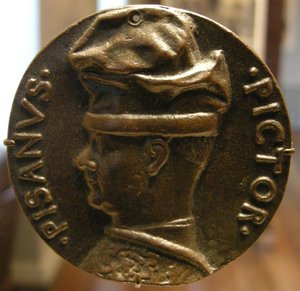
Pisanello
1395 - 1455 , Italy
Quick Facts
- Artistic Movement Or Style: Early Renaissance, Int'l Gothic
- Artists Or Movements Influenced By This Artist: ['Portrait medalists']
- Artists Who Influenced This Artist:
- Gentile da Fabriano
- Stefano da Verona
- Date Of Birth: c. 1395
- Date Of Death: c. 1455
- Full Name: Antonio di Puccio Pisano
- Nationality: Italian
- Notable Artworks:
- St. George & Princess
- Madonna of the Quail
- Annunciation (Verona)
- Place Of Birth: Pisa, Italy

