 Preview
 Send
Send Share
Share
 Details

 Download
 Similars
 X-Ray
X-Ray Diaporama
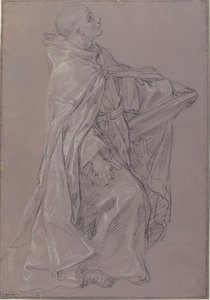
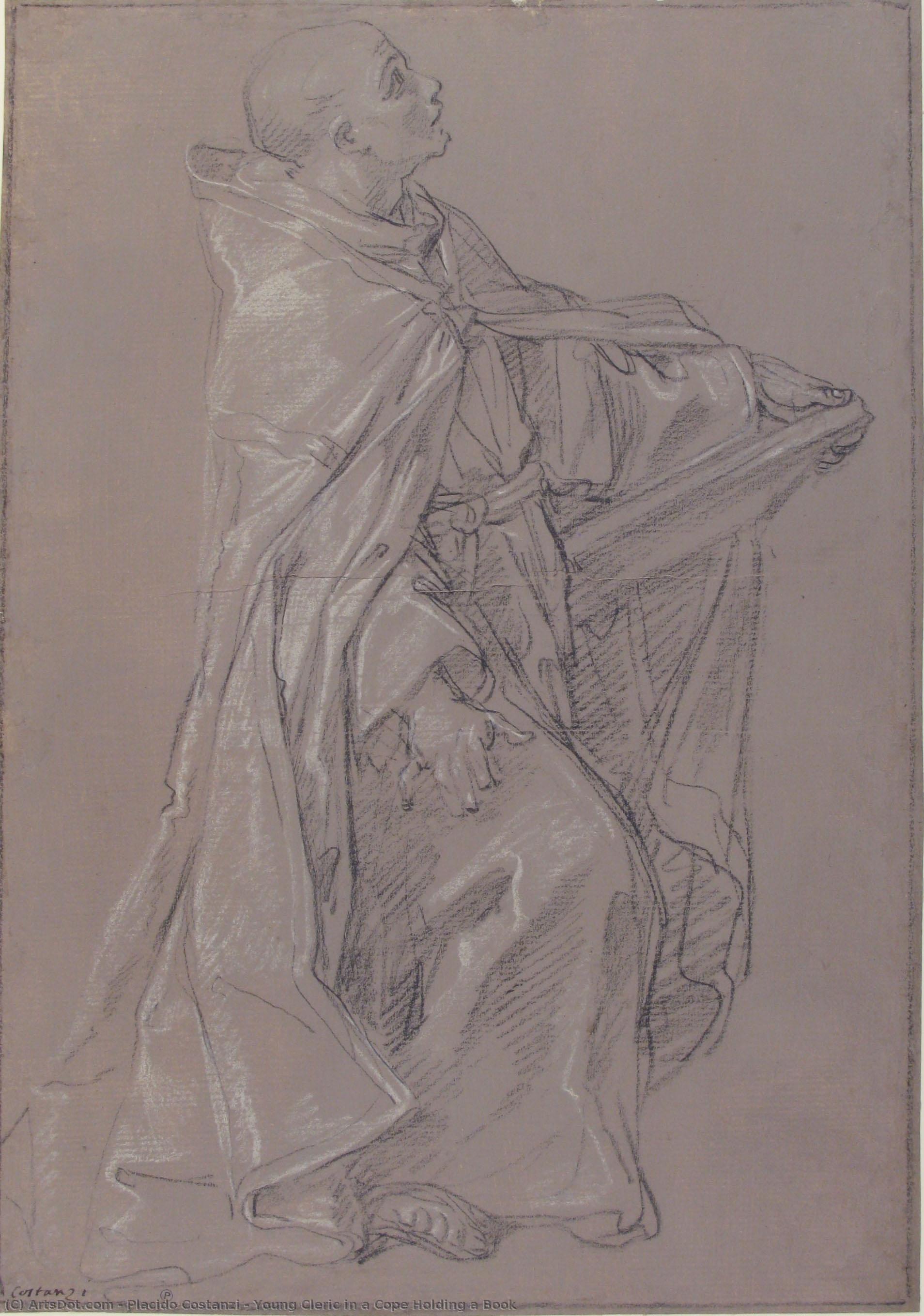
Young Cleric in a Cope Holding a Book

 Read More
Hand Made Oil Reproduction
Hand-painted oil on canvas in your size and frame, made to order by our artists. ( Buy Print Buy Image)




































Pick from our preset sizes that match the artwork's original proportions.

You may enter your own dimensions to fit a specific frame or space. If your selected size does not match the original image's proportions, we will either crop the artwork or extend the painting with additional hand-painted elements. A digital mockup will be sent for your approval before production begins.
Please note that the on-screen preview does not reflect the actual cropping or extension. Only the mockup will accurately show the final composition.
While custom sizes are available, we recommend selecting a dimension from the predefined list to preserve the original proportions.
After order, ArtsDot.com team will email client for instructions and provide a mockup preview
Worldwide Delivery () in 3/4 weeks instead of standard 5 weeks. (23 August). No compromise on quality.

Free Worldwide Express Shipping

High-Quality Linen Canvas

Full Shipping Insurance

Customs Tax Refund Guarantee

True Color Matching Guarantee

60-Day Return Policy (Defects Only)

100% Money-Back Guarantee

Bulk Discount Offer
 Glass option is only available in size under 110 CM

Young Cleric in a Cope Holding a Book
Reproduction Medium
Reproduction Size
-


Total Price
$ 263
Related Artworks

Artist Biography
Early Life and Artistic Formation
Placido Costanzi (1702 – 2 October 1759) was an Italian painter of the late Baroque period, whose career spanned from the mid-1720s to his death in Rome. Born into a family of gem-makers—a craft that demanded precision and an appreciation for classical forms—Costanzi’s formative years were steeped in artistic tradition. His father's profession instilled in him an early understanding of design principles, shaping his aesthetic sensibilities from the outset. Rome, at the apex of European artistic fervor during Costanzi’s youth, was dominated by the monumental achievements of Baroque masters like Gian Lorenzo Bernini and Pietro da Cortona, yet simultaneously nurtured emerging stylistic currents influenced by Carlo Maratta and Nicolas Poussin. This dynamic environment provided fertile ground for Costanzi's artistic development. He received his initial training from Benedetto Luti (1666–1724), a Florentine painter who had established himself in Rome and was celebrated for his elegant compositions blending Baroque dynamism with classical refinement. Luti’s studio fostered an atmosphere of intellectual exchange among aspiring artists, including Giovanni Odazzi and Pietro Bianchi—all students of Domenichino—who instilled Costanzi with the foundational techniques of drawing, composition, color theory, and oil painting. Crucially, Costanzi absorbed the influence of Raphael and Annibale Carracci, whose clarity of form and restrained emotion served as enduring models for his evolving style. This careful study of classical masters would become a hallmark of his oeuvre.The Development of a Classical Style
Emerging from Luti’s tutelage, Costanzi embarked on a path toward establishing his own artistic identity—one increasingly characterized by a sophisticated embrace of Neoclassical ideals. While retaining elements of Baroque ornamentation and color palettes rooted in Ricci and Gaulli, Costanzi subtly shifted towards a more balanced compositional approach and a heightened sensitivity to naturalism—traits directly traceable to Raphael and Carracci’s legacy. This stylistic evolution reflected the broader artistic trends of his time, signaling a decisive break from the exuberant excesses of the High Baroque and affirming Costanzi's commitment to upholding classical principles. His commissions included monumental frescoes for Cardinal Giulio Alberoni’s villa outside Porta Pia—a project undertaken alongside prominent Roman artists like Conca and Trevisani—and intricate altarpieces for churches in Florence and Naples. Notably, Costanzi collaborated with Francesco Trevisani on the decoration of Palazzo Chigi Zondadari, producing canvases that showcased a harmonious blend of Baroque grandeur and classical elegance. The resulting artwork embodies Costanzi’s masterful command of technique and his profound understanding of artistic history.Notable Works and Patronage
Costanzi's prolific output spanned diverse genres—historical paintings, devotional subjects, portraits, and landscapes—demonstrating remarkable versatility. Among his most celebrated achievements were the frescoes adorning Santa Maria Maddalena in Florence (1727–28), where he skillfully imitated Domenichino’s style; the monumental ceiling of San Gregorio Magno al Celio (1730); and the depiction of St Pancras & Infant Christ for Dublin National Gallery. His landscapes, particularly those executed in collaboration with Jan Frans van Bloemen—including “Orizzonte”—were admired for their atmospheric realism and compositional sophistication. Costanzi’s artistic reputation attracted considerable patronage from influential figures across Europe, including Cardinal Alessandro Zondadari and Frederick the Great. He served as director of the Accademia di San Luca since 1758, fostering a vibrant intellectual environment and nurturing the talents of young artists like Pietro Antonio Gualdi Lodrini—a testament to Costanzi’s enduring legacy as both an artist and an educator.Legacy and Historical Significance
Placido Costanzi's contribution to Italian Baroque art is undeniable, marking a pivotal moment in the transition from Mannerism to Neoclassicism. His meticulous attention to detail, his masterful use of color, and his unwavering devotion to classical ideals solidified his position as one of Rome’s foremost painters—a figure whose work continues to inspire admiration for its beauty and intellectual depth. Costanzi's influence extended beyond his own lifetime, shaping the artistic sensibilities of subsequent generations and ensuring that his legacy would endure through the centuries.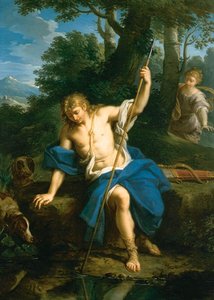
Placido Costanzi
1702 - 1759 , Italy
Quick Facts
- Artistic Movement Or Style: Late Baroque
- Artists Or Movements Influenced By This Artist: ['Nicolas Poussin']
- Artists Who Influenced This Artist:
- Benedetto Luti
- Domenichino
- Date Of Birth: 1702
- Date Of Death: 1759
- Full Name: Placido Costanzi
- Nationality: Italian
- Notable Artworks:
- St. Camillus in Santa Maria Maddalena
- Resuscitation of Tabitha
- Ceiling of Santa Maria in Vallicella
- Place Of Birth: Rome, Italy