 Preview
 Send
Send Share
Share
 Details

 Download
 Similars
 X-Ray
X-Ray Diaporama
 Stats
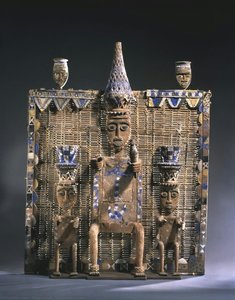
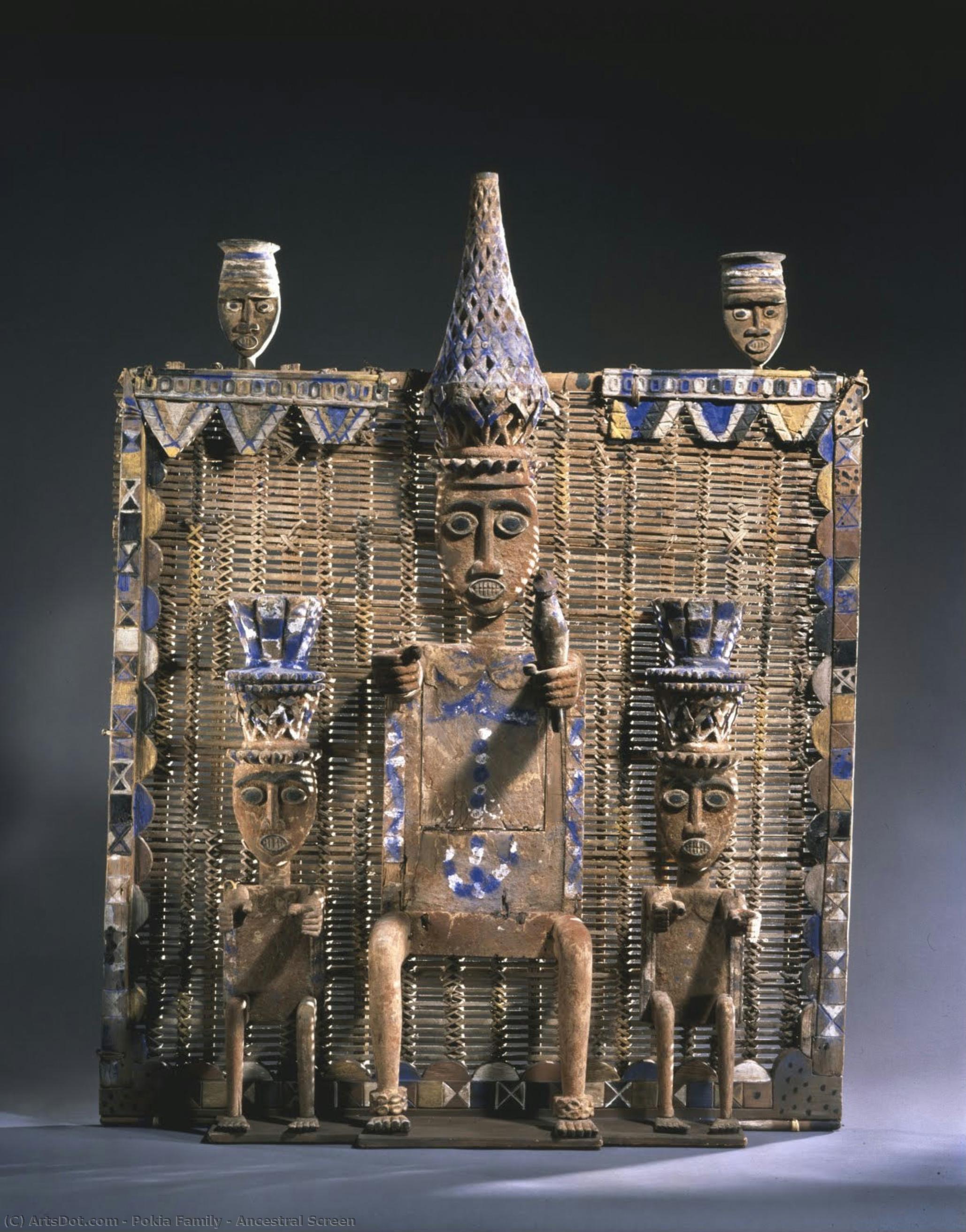
StatsAncestral Screen
 1800
1800 90.0 x 86.0 cm
 de Young Museum
 Read More
Giclée / Art Print
Museum-quality giclée or canvas print with fast production and flexible finish options. ( Buy Hand Made Painting Switch to Digital Image)




































Pick from our preset sizes that match the artwork's original proportions.

You may enter your own dimensions to fit a specific frame or space. If your selected size does not match the original image's proportions, we will either crop the artwork or extend the image with a mirrored or solid-fill edge. A digital mockup will be sent for your approval before production begins.
Please note that the on-screen preview does not reflect the actual cropping or extension. Only the mockup will accurately show the final composition.
While custom sizes are available, we recommend selecting a dimension from the predefined list to preserve the original proportions.
Worldwide Delivery () in 2 weeks instead of standard 4/5 weeks. (8 September)

Free Worldwide Express Shipping

High-Quality Linen Canvas

Full Shipping Insurance

Customs Tax Refund Guarantee

True Color Matching Guarantee

100-Day Return Policy (Defects Only)

100% Money-Back Guarantee

Bulk Discount Offer
 Glass option is only available in size under 110 CM

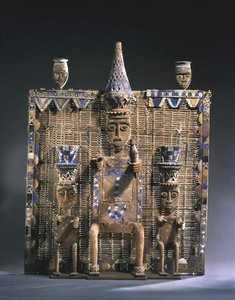
Ancestral Screen
Giclée / Art Print
Reproduction Size
-


Total Price
$ 63
Related Artworks








Artist Biography
The Pokia Family: Guardians of Memory and Ritual
The Pokia family, hailing from the Kalabari Ijo people of Nigeria’s Niger Delta region, stands as a testament to the enduring power of craft and ritual. For nearly five centuries, this lineage has been entrusted with creating the ‘ancestral screen,’ a profoundly significant object within Kalabari culture – a complex tapestry woven from wood, wicker, pigment, and iron, representing far more than mere decoration. These screens weren’t simply displayed; they were integral to family life, serving as focal points for storytelling, ancestor veneration, and the preservation of lineage. Their creation represents a unique intersection of artistic skill, spiritual belief, and historical trade.
The Kalabari Ijo people have long been recognized as skilled traders within West Africa, particularly renowned for their maritime prowess and connections with European powers during the 18th and 19th centuries. The Pokia family’s atelier, centered in Ifoko, strategically positioned itself within this vibrant trade network. This location afforded them access to materials – including iron from European sources – while simultaneously allowing them to maintain a deep connection to their ancestral traditions. The screens themselves reflect this duality; incorporating both indigenous craftsmanship and imported elements, they embody the complex exchange between cultures that shaped Kalabari society.
Crafting the Ancestral Screen: A Symphony of Materials
The creation of an ancestral screen was a meticulously orchestrated process, demanding years of apprenticeship and a profound understanding of symbolism. The frame is typically constructed from sturdy wood, often sourced locally. Woven wicker forms the core structure, providing both support and a textural element that echoes the natural world. However, it’s the pigment – derived from plants and minerals – that truly transforms the screen into a work of art. Vibrant reds, yellows, blues, and greens are layered to create intricate patterns, each color carrying specific meaning within Kalabari cosmology.
Crucially, the screens incorporate human figures, often carved from wood or fashioned from dried reeds. These figures, frequently depicting ancestors, warriors, or deities, are positioned strategically within the wicker frame. The placement and orientation of these figures were dictated by complex ritual protocols, ensuring that they faced the correct direction and held their appropriate positions in relation to the family’s lineage. The addition of iron elements – often shaped into stylized weapons or adornments – further reinforces the screen's protective function, warding off evil spirits and safeguarding the family’s well-being.
Symbolism and Ritual: Layers of Meaning
The ancestral screen is far more than a decorative object; it’s a dynamic repository of family history and spiritual belief. Each color, pattern, and figure carries specific symbolic weight, narrating the family's past deeds, honoring its ancestors, and reinforcing its connection to the divine. During ceremonies, the screen would be carefully positioned within the home, serving as a visual link between the living and the dead. It was believed that by gazing upon the screen, individuals could receive guidance from their ancestors and maintain harmony with the spiritual realm.
The act of assembling and displaying the screen itself was a ritualized process, performed by designated family members who possessed specialized knowledge of the protocols. These rituals ensured that the screen remained ‘alive,’ actively participating in the family’s daily life and safeguarding its protective power. The screens were not static objects; they were constantly being reconfigured and updated to reflect changes within the family – births, deaths, marriages, and significant events.
Legacy and Historical Significance
While the Pokia family atelier flourished for centuries, the practice of creating ancestral screens gradually declined in the 20th century due to a combination of factors including colonial influence and changing social customs. However, the legacy of the Pokia family remains profoundly significant. Their work provides invaluable insights into the rich cultural heritage of the Kalabari Ijo people and offers a rare glimpse into the complex interplay between art, religion, and trade in West Africa.
Objects like the ‘shrine’ held at the British Museum (a related example showcasing similar techniques) demonstrate the continued appreciation for this unique artistic tradition. The Pokia family's screens are not merely beautiful objects; they are living embodiments of a vibrant culture, offering a tangible connection to the past and a powerful reminder of the enduring importance of ancestral memory.
Further research into Nigerian artists can be found at Nigerian artists : a who’s who and bibliography.
pokia family
Nigeria
Quick Facts
- Artistic Movement Or Style: Ancestral screens
- Full Name: Pokia Family
- Nationality: Nigerian
- Notable Artworks: ['Ancestral screen']
- Place Of Birth: Kalabari Ijo people,