 Preview
 Send
Send Share
Share
 Details

 Download
 Similars
 X-Ray
X-Ray Diaporama
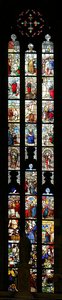
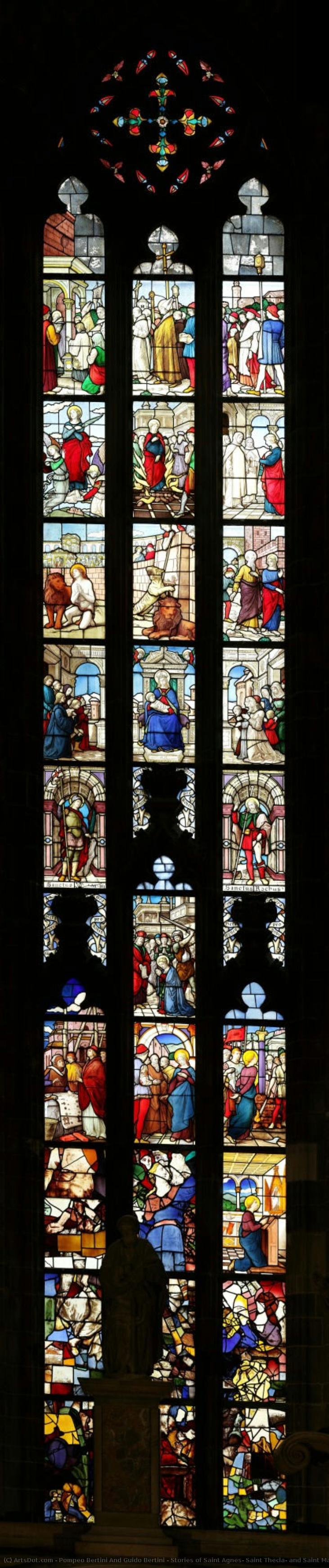
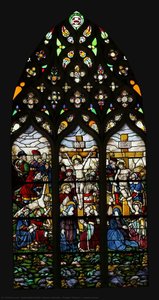
Stories of Saint Agnes, Saint Thecla, and Saint Mary Major

 Read More
Giclée / Art Print
Museum-quality giclée or canvas print with fast production and flexible finish options. ( Buy Hand Made Painting Buy Image)




































Pick from our preset sizes that match the artwork's original proportions.

You may enter your own dimensions to fit a specific frame or space. If your selected size does not match the original image's proportions, we will either crop the artwork or extend the image with a mirrored or solid-fill edge. A digital mockup will be sent for your approval before production begins.
Please note that the on-screen preview does not reflect the actual cropping or extension. Only the mockup will accurately show the final composition.
While custom sizes are available, we recommend selecting a dimension from the predefined list to preserve the original proportions.
Worldwide Delivery () in 2 weeks instead of standard 4/5 weeks. (3 September)

Free Worldwide Express Shipping

High-Quality Linen Canvas

Full Shipping Insurance

Customs Tax Refund Guarantee

True Color Matching Guarantee

60-Day Return Policy (Defects Only)

100% Money-Back Guarantee

Bulk Discount Offer
 Glass option is only available in size under 110 CM

Stories of Saint Agnes, Saint Thecla, and Saint Mary Major
Giclée / Art Print
Reproduction Size
-


Total Price
$ 63
Related Artworks







Artist Biography
A Legacy of Light and Line: The Bertini Duo
In the vibrant heart of nineteenth-century Milan, a profound artistic lineage unfolded through the lives of Pompeo and Guido Bertini. This father-son duo embodied the evolving spirit of Italian art, bridging the gap between the rigorous academic traditions of the Romantic era and the more whimsical, observational nuances of later decades. Their shared connection to the prestigious Brera Academy served as the foundation for a creative journey that would leave an indelible mark on the churches, palaces, and cultural fabric of Lombardy.
The elder Bertini, often recognized in historical records as Giuseppe, emerged as a formidable force in the mid-1800s. His early years were defined by intense study under the masters Luigi Sabatelli and Giuseppe Bisi, mentors who instilled in him a command over composition and a deep respect for historical narrative. The year 1845 marked a definitive turning point in his career when he was awarded the Gran premio di pittura dell’Accademia di Brera. This prestigious accolade was earned through his monumental depiction of The Meeting Between Dante and Fra Ilario, a work that demonstrated not only his technical prowess but also his ability to breathe life into the legendary figures of Italian literature.
Mastery of the Sacred and the Secular
Pompeo’s artistic evolution was characterized by a remarkable versatility, moving seamlessly between the solemnity of religious devotion and the grandeur of historical commemoration. His hands graced the ceilings and walls of Milan’s most sacred spaces, contributing to the spiritual atmosphere of churches such as San Babila, where his Vision of St Francis of Assisi stands as a testament to his ability to evoke divine presence. His work in the Duomo of Milan, particularly the intricate stained-glass windows dedicated to Saint John of Damascus, showcases a mastery of light—a technique known as luminism—where diffused, ethereal glows create an emotional resonance that transcends the physical medium.
Beyond the altar, his brush captured the pulse of contemporary history. He documented the Triumphal entry of the allied sovereigns into Milan following the Battle of Magenta, transforming a moment of political triumph into a lasting visual legacy. His talent for fresco painting also allowed him to decorate private residences with sweeping narratives, such as those in the home of Cavalier Andrea Ponti in Varese, where he depicted the lives of great thinkers like Galileo and Columbus, blending historical reverence with an almost theatrical sense of movement.
The Evolution of a Milanese Spirit
As the century progressed, the artistic mantle passed to Guido Bertini, whose work reflected the shifting aesthetic tides toward Impressionism and Symbolism. While his father focused on the monumental and the sacred, Guido found inspiration in the intimate and the everyday. His talent lay in capturing the charm of Milanese life through genre scenes and comedies, often infusing his work with a sense of wit and poetic lightness. This transition from the grand historical narratives of the father to the more observational, character-driven works of the son mirrors the broader movement of European art away from rigid academicism toward a more personal, emotive expression.
The Bertini legacy remains a vital chapter in the history of Milanese art, representing a continuous dialogue between generations. Through their collective contributions—ranging from large-scale theatrical curtains for La Scala to delicate musical allegories in the Poldi-Pezzoli Museum—they ensured that the spirit of their city was preserved in pigment and light. Their work stands today as a beautiful intersection of history, where the weight of tradition meets the fleeting beauty of the human experience.
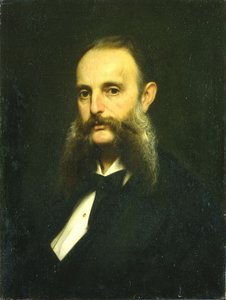
pompeo bertini and guido bertini
1825 - 1898 , Italy
Quick Facts
- Artistic Movement Or Style: Stained Glass Art
- Date Of Birth: 1825
- Full Name: Pompeo Bertini
- Nationality: Italian
- Notable Artworks: ['Stories from Saint Agnes, Saint Thecla, and Saint Mary Major']
- Place Of Birth: Milan, Italy