 Preview
 Send
Send Share
Share
 Details

 Download
 Similars
 X-Ray
X-Ray Diaporama
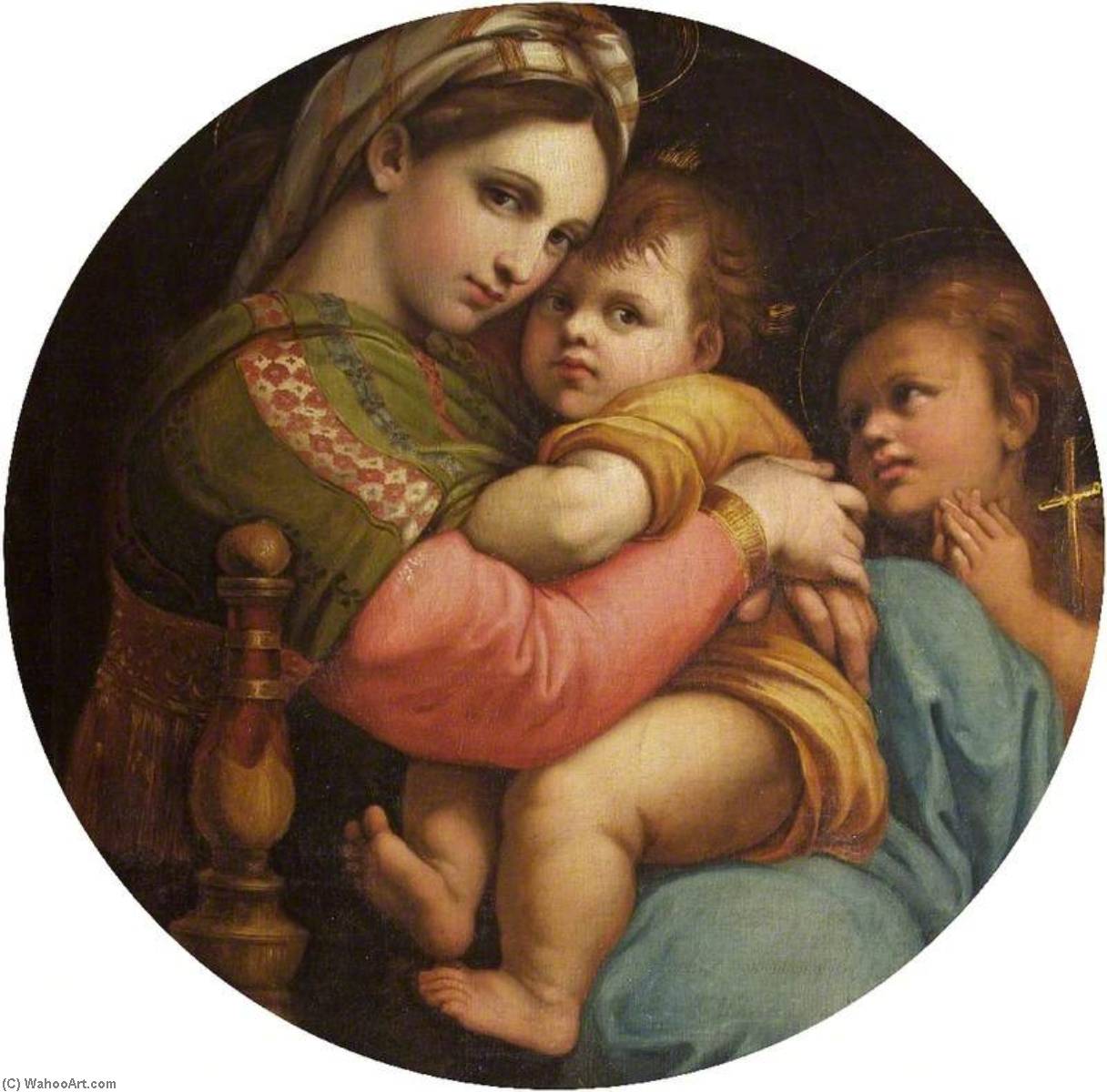
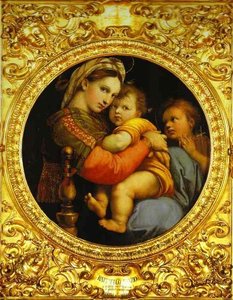
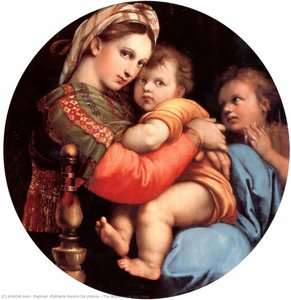
Madonna della sedia (copy after Raphael)
 1779
1779 70.0 x 70.0 cm
 Read More
Hand Made Oil Reproduction
Hand-painted oil on canvas in your size and frame, made to order by our artists. ( Buy Print Buy Image)




































Pick from our preset sizes that match the artwork's original proportions.

You may enter your own dimensions to fit a specific frame or space. If your selected size does not match the original image's proportions, we will either crop the artwork or extend the painting with additional hand-painted elements. A digital mockup will be sent for your approval before production begins.
Please note that the on-screen preview does not reflect the actual cropping or extension. Only the mockup will accurately show the final composition.
While custom sizes are available, we recommend selecting a dimension from the predefined list to preserve the original proportions.
After order, ArtsDot.com team will email client for instructions and provide a mockup preview
Worldwide Delivery () in 3/4 weeks instead of standard 5 weeks. (16 August). No compromise on quality.

Free Worldwide Express Shipping

High-Quality Linen Canvas

Full Shipping Insurance

Customs Tax Refund Guarantee

True Color Matching Guarantee

60-Day Return Policy (Defects Only)

100% Money-Back Guarantee

Bulk Discount Offer
 Glass option is only available in size under 110 CM

Madonna della sedia (copy after Raphael)
Reproduction Medium
Reproduction Size
-


Total Price
$ 263
Related Artworks
Artist Biography
Sir Richard Colt Hoare (1758–1838), 2nd Bt
Richard Colt Hoare was born in Bath, Somerset, on December 22, 1758, the son of William Hoare, a prominent painter and art collector, and his wife, Mary. From an early age, he demonstrated a keen interest in artistic pursuits, mirroring his father’s passion for painting and sculpture. His formative years were steeped in the intellectual atmosphere of Bath society, where discussions on art and literature flourished—a setting that undoubtedly shaped his aesthetic sensibilities. Colt Hoare's familial connections extended beyond his parents; he was named after his father’s brother, Henry Hugh Hoare, a sculptor who instilled in him an appreciation for craftsmanship and artistic vision. This lineage underscored the importance of artistic heritage within the Hoare family, fostering a tradition of creative endeavor.- Early Artistic Training: Colt Hoare received formal art instruction from John Opie, a celebrated Romantic painter known for his depictions of rural life and emotion. Opie’s influence instilled in Hoare a commitment to capturing genuine feeling and portraying subjects with sensitivity—principles that would permeate his artistic practice throughout his career.
- Academic Career: He enrolled at the Royal Academy in London in 1783, where he honed his skills under luminaries like Benjamin West and Thomas Lawrence. The Academy’s rigorous curriculum demanded technical proficiency alongside intellectual engagement, nurturing Hoare's understanding of artistic history and contemporary trends.
Notable Paintings & Artistic Style
Colt Hoare’s oeuvre comprises a diverse collection of portraits and historical canvases that exemplify the stylistic conventions of his era. He possessed an exceptional ability to convey character and emotion through meticulous observation and skillful brushwork—characteristics evident in works such as “Mrs. Richard Hoare” (1803), which showcases his mastery of tonal gradation and nuanced rendering of facial expressions. His portraits often captured subjects in contemplative poses, reflecting the psychological depth favored by Romantic artists. Furthermore, Hoare’s artistic style embraced a restrained palette and meticulous attention to detail, aligning with the prevailing aesthetic ideals of the time. He skillfully blended classical influences with emerging Romantic sensibilities, creating images that resonated with both intellectual rigor and emotional resonance.- Major Works: Among his most celebrated paintings include “The Duchess of Norfolk” (1806), a monumental portrait demonstrating Hoare’s technical prowess and compositional ambition; “Lady Harriet Wyndham” (1813), which exemplifies his ability to capture the subtleties of aristocratic demeanor; and “Portrait of Sir William Huskisson” (1824), showcasing his adeptness at portraying prominent figures within British society.
- Technique & Materials: Colt Hoare favored oil paints on canvas, utilizing a glazing technique that allowed for luminous color effects and subtle tonal variations. He meticulously prepared his canvases with gesso—a mixture of plaster and pigment—creating a smooth surface conducive to achieving optimal visual impact. His meticulous approach to painting underscored the importance of technical skill in conveying artistic vision.
Literary Pursuits & Dramatic Contributions
Beyond his artistic accomplishments, Colt Hoare possessed considerable literary talent and actively engaged in theatrical productions. He penned numerous plays—including “The Wanderer” (1803) and “The Huguenots” (1814)—that explored themes of morality, social justice, and human experience. His dramatic works reflected the intellectual ferment of the Victorian period, grappling with questions of faith, reason, and political reform. Colt Hoare’s theatrical endeavors demonstrated his versatility as an artist and thinker—a testament to his multifaceted personality.- Memoirs & Historical Scholarship: He compiled “The Memoirs of Granville Sharp,” documenting the life and writings of the influential abolitionist, Granville Sharp. This ambitious project involved extensive research into archival materials and meticulous textual analysis—reflecting Hoare’s scholarly inclinations and commitment to preserving historical records.
Legacy & Historical Significance
Sir Richard Colt Hoare died in Bath on December 22, 1838, leaving behind a legacy as one of Britain's most distinguished painters and dramatists. His artistic output—characterized by sensitivity, technical skill, and intellectual engagement—contributed significantly to the development of Romantic art and theatrical expression. Furthermore, his scholarly endeavors—particularly “The Memoirs of Granville Sharp”—provided invaluable insights into the social and political landscape of Victorian England. Colt Hoare’s enduring influence can be discerned in subsequent generations of artists and writers who embraced his stylistic principles and thematic concerns—solidifying his place as a pivotal figure within British cultural history.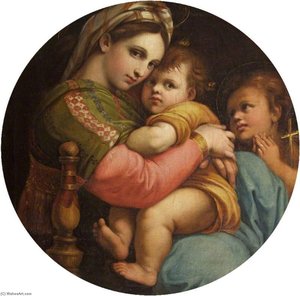
prince hoare
1755 - 1834
Quick Facts
- Artistic Movement Or Style: Romanticism
- Artists Or Movements Influenced By This Artist: ['John Constable']
- Artists Who Influenced This Artist: ['Joshua Reynolds']
- Date Of Birth: 1758
- Date Of Death: 1838
- Full Name: Sir Richard Colt Hoare
- Nationality: British
- Notable Artworks: ['The Battle of Trafalgar']
- Place Of Birth: Bath, England