 Preview
 Send
Send Share
Share
 Details

 Download
 Similars
 X-Ray
X-Ray Diaporama
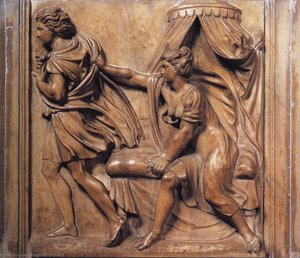
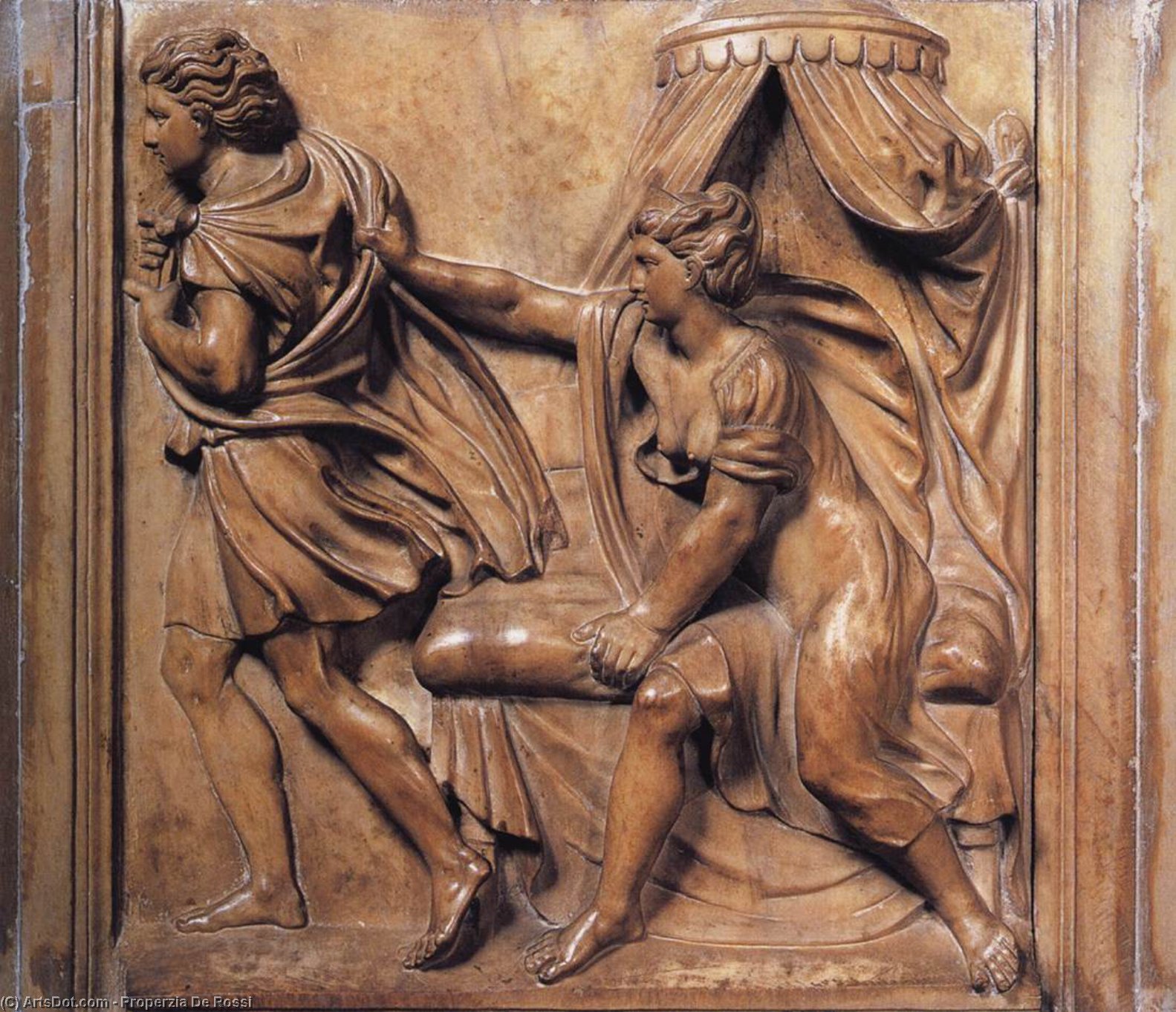
Joseph and Potiphar's Wife


 Read More
Hand Made Oil Reproduction
Hand-painted oil on canvas in your size and frame, made to order by our artists. ( Buy Print Buy Image)




































Pick from our preset sizes that match the artwork's original proportions.

You may enter your own dimensions to fit a specific frame or space. If your selected size does not match the original image's proportions, we will either crop the artwork or extend the painting with additional hand-painted elements. A digital mockup will be sent for your approval before production begins.
Please note that the on-screen preview does not reflect the actual cropping or extension. Only the mockup will accurately show the final composition.
While custom sizes are available, we recommend selecting a dimension from the predefined list to preserve the original proportions.
After order, ArtsDot.com team will email client for instructions and provide a mockup preview
Worldwide Delivery () in 3/4 weeks instead of standard 5 weeks. (16 August). No compromise on quality.

Free Worldwide Express Shipping

High-Quality Linen Canvas

Full Shipping Insurance

Customs Tax Refund Guarantee

True Color Matching Guarantee

60-Day Return Policy (Defects Only)

100% Money-Back Guarantee

Bulk Discount Offer
 Glass option is only available in size under 110 CM

Joseph and Potiphar's Wife
Reproduction Medium
Reproduction Size
-


Total Price
$ 263
Related Artworks

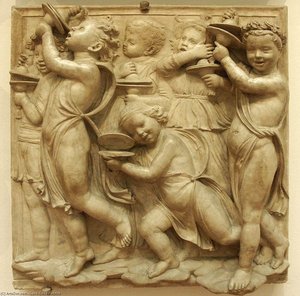
Artist Biography
A Defiant Spirit in Stone: The Life and Legacy of Properzia de’ Rossi
Properzia de' Rossi emerged from the vibrant artistic landscape of Renaissance Bologna as a singular, almost defiant figure. Born around 1490 into a family unconnected to the world of art—her father was a notary—she carved for herself an unprecedented path as a sculptor in a society that largely confined women to domestic roles. Her story is one of remarkable talent, unwavering ambition, and the persistent challenges faced by female artists striving for recognition in a male-dominated era. Unlike many of her contemporaries who benefited from familial artistic training, Properzia’s early education was remarkably broad, encompassing painting, music, dance, poetry, and classical literature—a testament to the humanist ideals flourishing during the Renaissance. This diverse foundation undoubtedly shaped her artistic sensibility, fostering a keen eye for detail and a deep appreciation for form and narrative. A pivotal moment in her development came with her studies under Marcantonio Raimondi, a master engraver renowned for his reproductions of Raphael’s works; this mentorship provided her with crucial technical skills and exposed her to the prevailing aesthetic currents of the time.From Miniature Marvels to Monumental Ambition
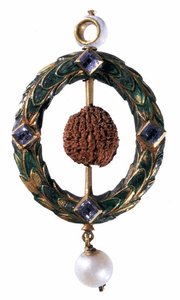
Properzia initially gained renown not through grand marble sculptures, but through astonishingly intricate carvings on fruit stones—apricots, peaches, and cherries. These miniature artworks, often depicting religious scenes like a poignant depiction of the Crucifixion within a peach pit, showcased an extraordinary level of skill and patience. While some accounts, notably those by Giorgio Vasari, may have embellished the extent of this early work to emphasize her ingenuity, there’s no denying the exceptional talent demonstrated in transforming such delicate materials into compelling artistic statements. These miniature carvings weren't merely exercises in technical prowess; they reflected a deep understanding of devotional art and a commitment to religious themes prevalent during the Renaissance. This early success served as a springboard for Properzia’s ambition, propelling her towards larger-scale projects in marble. By the 1520s, she was actively pursuing commissions that would establish her reputation as a serious sculptor, participating in competitions and securing prestigious assignments.A Master of *Maniera Moderna* and the San Petronio Commission
The 1520s marked a turning point in Properzia’s career, with larger-scale marble sculptures becoming her primary focus. She competed for the honor of decorating the high altar of the Sanctuary of the Madonna del Baraccano in Bologna, a significant step that demonstrated her growing confidence and artistic ambition. Her talent soon garnered acclaim, leading to portrait busts that solidified her reputation as a skilled sculptor. However, it was her commission to create sculptures for the west facade of San Petronio—Bologna’s magnificent basilica—that truly cemented her place in art history. This prestigious project included three sibyls, two angels, and, most notably, a pair of bas-relief panels depicting scenes from the Old Testament. Joseph and Potiphar's Wife, now housed in the Museum of San Petronio, is widely considered her masterpiece. The panel showcases Properzia’s mastery of anatomy, classical drapery, and dramatic narrative—Joseph’s desperate attempt to flee the advances of Potiphar’s wife is rendered with compelling intensity and emotional depth. Her style during this period reflected the *maniera moderna* prevalent in Italian Renaissance art, drawing inspiration from artists like Giulio Romano, Michelangelo, Alfonso Lombardi, Correggio, and Parmigianino; she synthesized these influences into a uniquely personal artistic voice.Turbulence, Recognition, and an Enduring Legacy
Properzia’s life was not without its shadows. Records reveal accusations of vandalism and assault, suggesting a turbulent personal life that may have fueled the dramatic intensity evident in her art. Giorgio Vasari's biography, while providing valuable insights, also reflects the societal biases of his time—portraying her as tormented by unrequited love and attributing her artistic struggles to emotional instability. Despite achieving significant commissions, Properzia died relatively young, around 39 or 40 years old, impoverished and without close relatives or friends. Vasari’s account, though colored by prevailing attitudes towards women artists, underscores the challenges she faced in navigating a male-dominated profession. Nevertheless, Properzia de' Rossi remains an important figure in art history as one of the few female sculptors recognized during the Renaissance. Her story highlights the obstacles encountered by women seeking artistic careers and serves as a powerful testament to her exceptional talent and unwavering determination—a defiant spirit who carved her own place in the annals of art.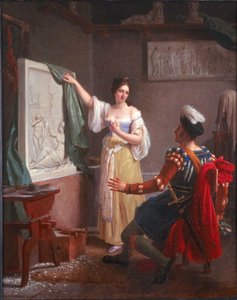
Properzia de' Rossi
1490 - 1530 , Italy
Quick Facts
- Artistic Movement Or Style: Maniera moderna
- Artists Who Influenced This Artist:
- Giulio Romano
- Michelangelo
- Alfonso Lombardi
- Correggio
- Parmigianino
- Date Of Birth: c. 1490
- Date Of Death: 1530
- Full Name: Properzia de' Rossi
- Nationality: Italian
- Notable Artworks:
- Joseph and Potiphar's Wife
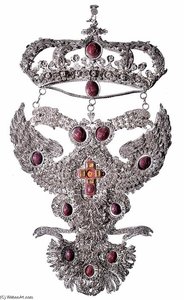
- Grassi Family Crest
- Carved Cherry Stone Pendant
- Place Of Birth: Bologna, Italy