

 Preview
 Send
Send Share
Share
 Details

 Download
 Similars
 X-Ray
X-Ray Diaporama
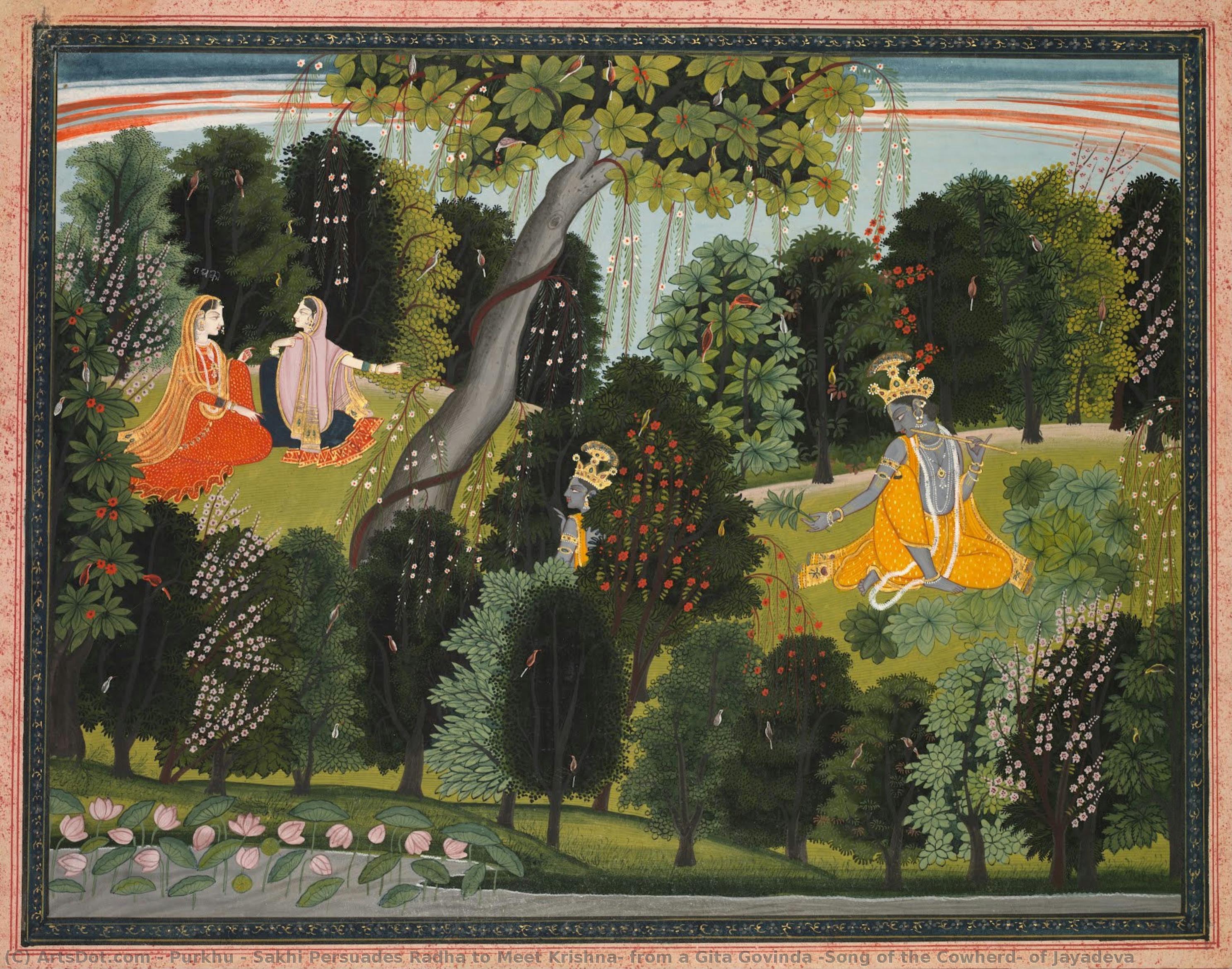
Sakhi Persuades Radha to Meet Krishna, from a Gita Govinda (Song of the Cowherd) of Jayadeva
 Acrylic On Paper
- Indian Miniature Painting
 1820
1820 24.0 x 32.0 cm
 Cleveland Museum of Art
 Read More
Purchase a high-resolution, enhanced digital image, far superior to the online preview.
Each file is meticulously prepared by our in-house specialists using advanced tools and expert manual retouching. We ensure every image has exceptional clarity, precise color accuracy, and fine detail.
The final file is delivered via email within 72 hours, optimized for immediate use in professional, editorial, and print environments. This is the same quality trusted by top-tier design studios, publishers, and galleries.
Digital Image
Download a high-resolution file for personal display, printing, and creative projects. ( Buy Print Buy Hand Made Painting)
Included in Every Digital Image Order
Expert Digital Delivery, Guaranteed
When you choose ArtsDot.com, you're not just getting an image - you're receiving a professionally enhanced digital artwork, crafted with precision and backed by a satisfaction guarantee. Here's everything that comes with your order, automatically:

Fast Email Delivery
Your high-resolution digital image file will be emailed to you within 72 hours of ordering - ready for immediate use.

AI-Enhanced Digital File
Your artwork is professionally optimized using advanced AI tools and manual editing, ensuring maximum detail, clarity, and color accuracy.

Free Lifetime Re-Delivery
Accidentally deleted or lost your file? No worries - we'll resend it to you anytime, free of charge.

No Import Fees - Ever
Enjoy your artwork instantly with zero customs, duties, or delivery fees - digital downloads are always tax-free.

Color Accuracy Guarantee
We ensure your digital image reflects the original colors as closely as possible using professional tools and color management.

60-Day Satisfaction Guarantee
If you're not satisfied with your digital image, we'll revise it or refund 100% within 60 days - no questions asked.

100% Money-Back Guarantee
Not satisfied? Get a full refund within 60 days of receiving your digital file - no questions asked.

Bulk Order Discounts
Buy 3 images, save 10% - Buy 5, save 15% - Buy 10+, save 20%. Great for creative projects, galleries, and agencies.
A Divine Encounter: Purkhu’s “Sakhi Persuades Radha”
Within the rich tapestry of 18th-century Rajput painting resides a captivating miniature, "Sakhi Persuades Radha to Meet Krishna," attributed to the masterful Purkhu. Painted circa 1820, this artwork isn't merely a depiction of Hindu mythology; it’s a vibrant window into a world of divine romance, courtly intrigue, and profound symbolism – a testament to the artistic legacy of Kangra. The piece, now housed within the Cleveland Museum of Art, offers a glimpse into the life and work of Purkhu, a key figure in shaping the distinctive Kangra style, known for its luminous colors, intricate detail, and narrative depth.
At the heart of the composition lies a scene plucked from Jayadeva’s celebrated *Gita Govinda*, a Sanskrit epic exploring the passionate love between Krishna and Radha. Purkhu masterfully captures the pivotal moment when Sakhi, Radha's confidante, attempts to coax her into meeting Krishna amidst the lush backdrop of a forest grove. The figures are rendered with remarkable sensitivity – Radha, initially hesitant and veiled in contemplation, is gently urged forward by the energetic Sakhi, who gestures towards the distant figure of Krishna. He’s shown playing his flute, a symbol of divine love and enchantment, while preparing for their clandestine rendezvous. The scene unfolds with an almost palpable sense of anticipation, capturing the delicate balance between Radha's inner turmoil and the allure of divine connection.
Technique and Style: A Symphony of Color and Detail
Purkhu’s artistic approach is immediately recognizable through his masterful use of color. The palette is extraordinarily rich and vibrant – deep blues, emerald greens, fiery reds, and shimmering golds dominate the scene, creating a luminous and almost dreamlike atmosphere. This characteristic of Rajput painting, particularly that of Kangra, stems from the use of mineral pigments, which produce exceptionally bright and enduring hues. The technique itself is characterized by meticulous layering of thin washes of color, building up detail with incredible precision. Purkhu’s brushwork is remarkably fine, creating a sense of texture and depth – from the smooth skin tones to the intricate folds of the foliage and the delicate details of Krishna's flute.
Notably, the composition eschews traditional perspective in favor of a flattened style, a hallmark of Rajput miniature painting. This deliberate flattening creates a stage-like quality, drawing the viewer’s eye directly into the scene and emphasizing its symbolic significance rather than striving for photographic realism. The use of gold leaf adds further opulence and highlights key elements within the composition, particularly Krishna's flute and Radha’s adornments.
Symbolism and Context: A Window into Rajput Culture
Beyond the immediate narrative, “Sakhi Persuades Radha” is laden with symbolism. The forest grove itself represents a space of both danger and delight – a place where divine love can flourish but also carries the risk of transgression. The tree, a recurring motif in Hindu art, symbolizes fertility, life, and the interconnectedness of all things. Flowers, abundant throughout the scene, represent love, beauty, and devotion. The inclusion of verses from Jayadeva’s *Gita Govinda* directly within the painting further enriches its meaning, inviting viewers to engage with the text alongside the visual imagery.
Furthermore, the artwork reflects the cultural context of Kangra during the reign of Maharaja Sansar Chand. Purkhu served as a court artist, documenting not only religious themes but also aspects of royal life and patronage. The piece’s creation coincided with a period of artistic flourishing in Kangra, marked by a synthesis of Mughal and Rajput traditions – a fusion that resulted in a uniquely vibrant and expressive style.
Emotional Resonance: A Celebration of Divine Love
Ultimately, “Sakhi Persuades Radha to Meet Krishna” is more than just a historical artifact; it’s an emotionally resonant work of art. The painting captures the essence of divine love – its intensity, its vulnerability, and its transformative power. The scene evokes a sense of longing, devotion, and anticipation, inviting viewers to contemplate the complexities of human relationships and the eternal quest for spiritual fulfillment. It's a piece that speaks to the timeless themes of romance, faith, and the pursuit of beauty, making it a captivating addition to any collection or a stunning focal point within an interior space.
Related Artworks
Artist Biography
Purkhu: A Master of Rajput Painting
Life and Origins
Born in Jaipur, India, around 1750, Purkhu was an Indian artist who flourished during a period of significant artistic exchange. He passed away in 1860, leaving behind a legacy as a key figure within the Rajput painting tradition. While detailed biographical information remains scarce, his work provides invaluable insight into the cultural and aesthetic landscape of 18th and 19th century India.
Artistic Influences and Style
Purkhu’s artistic style was deeply rooted in traditional Indian literary and poetic works. He drew inspiration from texts such as the Rasikapriya, the Bhagavata Purana, and the Ragamala series, often incorporating verses or inscriptions directly into his paintings. This fusion of word and image is a hallmark of his work.
- Bright Colors: His palettes are characterized by vibrant hues, typical of Rajput aesthetics.
- Flatness: Purkhu’s compositions generally eschew realistic perspective in favor of flattened planes of color.
- Abstract Form: He often prioritized universal themes and symbolic representation over strict naturalism.
While acknowledging the influence of Mughal painting – evident in certain stylistic elements – Purkhu consistently maintained a distinct identity as a Rajput artist, preserving the core principles of this regional tradition.
Major Works and Themes
Purkhu’s paintings frequently depict scenes from Hindu mythology, particularly those relating to the Gita Govinda, a celebrated work of Sanskrit poetry exploring the love between Krishna and Radha. His depictions are known for their emotional depth and intricate detail.
- Divine Romance: Scenes portraying the relationship between Krishna and Radha are central to his oeuvre.
- Ragamala Series: He created paintings illustrating the Ragamala, a series depicting musical modes through visual metaphors.
- Narrative Depth: The inclusion of verses and inscriptions adds layers of meaning to his compositions, enriching their narrative power.
Sakhi Persuades Radha to Meet Krishna (from Gita Govinda) is a particularly notable example of his work, showcasing his mastery of color, composition, and storytelling.
Historical Significance and Legacy
Purkhu’s contributions to the Rajput painting tradition are significant. He represents a continuation of artistic excellence within this regional style, demonstrating its enduring vitality during a period of political and cultural change. His work offers valuable insights into the religious beliefs, social customs, and aesthetic preferences of 18th and 19th century India.
Today, Purkhu’s paintings are held in esteemed collections worldwide, including the Memorial Art Gallery of the University of Rochester. Reproductions of his artwork are readily available through platforms like ArtsDot.com, allowing a wider audience to appreciate his artistic legacy.
Availability of Reproductions
ArtsDot.com offers high-quality reproductions of Purkhu’s work in various formats, including prints on canvas and giclée prints. This accessibility ensures that art lovers can enjoy a piece of Indian artistic history within their own homes or offices.
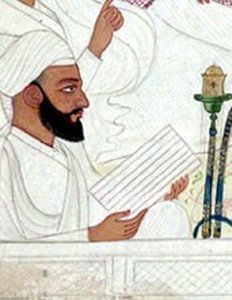
Purkhu
1750 - 1860 , India
Quick Facts
- Birth Date: 1750
- Birth Place: Jaipur, India
- Death Date: 1860
- Influenced By: Mughal painting
- Movement: Rajput painting
- Name: Purkhu
- Nationality: Indian
- Notable Works: Sakhi Persuades Radha to Meet Krishna (from Gita Govinda)

