

 Preview
 Send
Send Share
Share
 Details

 Download
 Similars
 X-Ray
X-Ray Diaporama
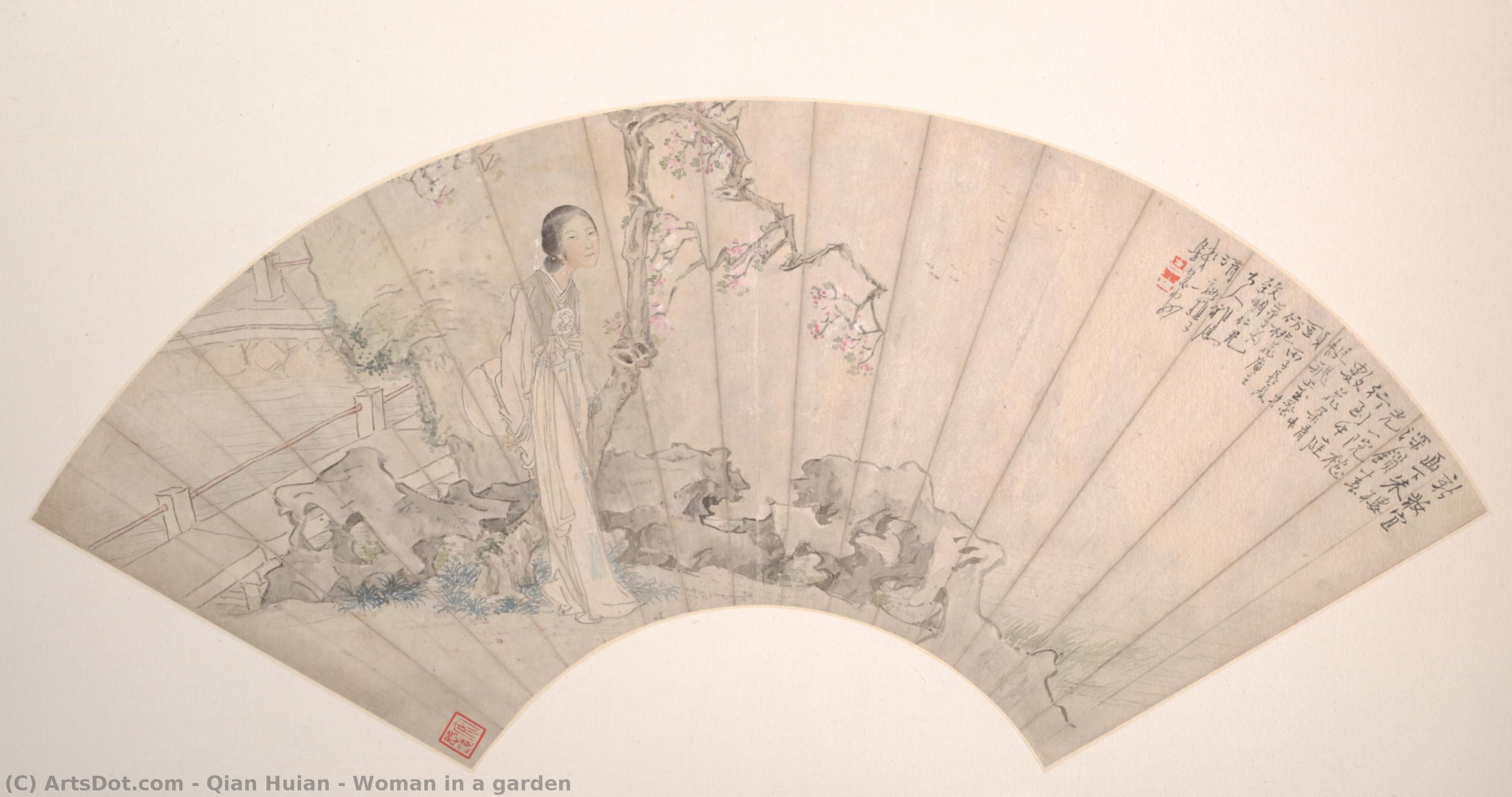
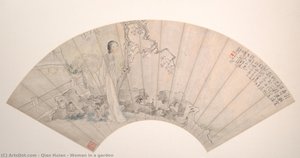
Woman in a garden
 1876
1876 18.0 x 53.0 cm
 Read More
Hand Made Oil Reproduction
Hand-painted oil on canvas in your size and frame, made to order by our artists. ( Buy Print Buy Image)




































Pick from our preset sizes that match the artwork's original proportions.

You may enter your own dimensions to fit a specific frame or space. If your selected size does not match the original image's proportions, we will either crop the artwork or extend the painting with additional hand-painted elements. A digital mockup will be sent for your approval before production begins.
Please note that the on-screen preview does not reflect the actual cropping or extension. Only the mockup will accurately show the final composition.
While custom sizes are available, we recommend selecting a dimension from the predefined list to preserve the original proportions.
After order, ArtsDot.com team will email client for instructions and provide a mockup preview
Worldwide Delivery () in 3/4 weeks instead of standard 5 weeks. (28 August). No compromise on quality.

Free Worldwide Express Shipping

High-Quality Linen Canvas

Full Shipping Insurance

Customs Tax Refund Guarantee

True Color Matching Guarantee

60-Day Return Policy (Defects Only)

100% Money-Back Guarantee

Bulk Discount Offer
 Glass option is only available in size under 110 CM

Woman in a garden
Reproduction Medium
Reproduction Size
-


Total Price
$ 263
Related Artworks






Artist Biography
The Eccentric Vision of Qian Huian
Qian Huian (1833 – 1911) stands as a singular figure in the landscape of late Qing Dynasty Chinese painting, celebrated for a distinctive approach to portraying women and mythological subjects that defied the rigid conventions of his era. Born in Shanghai during a period of profound social upheaval and the encroaching tides of Western influence, Qian navigated a world in transition while remaining steadfastly committed to traditional Chinese artistic principles. His work does not merely seek to replicate reality; rather, it strives to capture an emotional and spiritual essence through a highly stylized lens. This commitment to a personal, imaginative aesthetic has cemented his reputation as one of the most memorable and evocative artists of the nineteenth century.
The foundations of Qian’s artistry were built upon a comprehensive classical education, encompassing the essential pillars of calligraphy, painting, and poetry. Such training was vital for cultivating the intellectual refinement required within the Confucian framework of Qing society. While much of his early life remains shrouded in the scarcity of archival records, his stylistic lineage is clearly discernible. He drew inspiration from the works of luminaries such as Tang Yin (1470–1523), yet he did not merely mimic the masters. Instead, Qian transformed these classical echoes into something entirely new. While one might find a faint trace of Tang Yin’s influence in his use of elongated bodies and almond-shaped eyes, Qian’s true genius lay in his departure from realism toward a more romanticized, almost otherworldly, interpretation of beauty.
The Art of the Eccentric Figure
At the heart of Qian Huian’s oeuvre is what critics have termed “eccentric figures.” This signature technique involved the dramatic enlargement of specific anatomical elements—most notably the torso and limbs—to imbende his subjects with a sense of grandeur, dynamism, and ethereal grace. His figures often possess a wraithlike form, characterized by large heads and delicate, meticulously rendered features that evoke the feeling of a late 19th-century romantic creature. This deliberate distortion was not an error of proportion but a sophisticated tool used to convey movement and a heightened sense of drama.
The technical mastery required for such work was immense. Every line was executed with meticulous attention to detail, capturing the subtle textures of silk and the soft contours of the human form. Beyond the visual impact of his figures, Qian frequently integrated literary inscriptions into his compositions. These poetic additions served a dual purpose: they provided a narrative depth to his mythological scenes and appealed to the literati taste of his patrons, who sought art that reflected both aesthetic beauty and scholarly sophistication. Through this marriage of image and text, Qian created works that were as intellectually stimulating as they were visually arresting.
Legacy and Cultural Impact
The influence of Qian Huian extended far beyond the walls of private galleries. His unique style was widely promulgated through his many students and a popular painting manual he authored, which helped disseminate his "eccentric" aesthetic across much of China. The motifs he perfected—the stylized beauties with their hauntingly elegant proportions—became ubiquitous in popular culture, appearing on various decorative arts including:
- Ornate hand-painted fans
- Decorative calendars
- Intricately painted snuff bottles
- Fine silk paintings and scrolls
Ultimately, the historical significance of Qian Huian lies in his ability to bridge the gap between traditional orthodoxy and a burgeoning modern sensibility. By reimagining classical subjects through a lens of stylized exaggeration, he created a visual language that was both deeply rooted in Chinese heritage and strikingly innovative. His work remains a testament to the power of artistic individualization, proving that even within the strictures of tradition, there is boundless room for the eccentric and the sublime.
qian hui'an
1833 - 1911 , China
Quick Facts
- Artistic Movement Or Style: Eccentric Chinese Art
- Artists Or Movements Influenced By This Artist: ['Traditional Chinese Art']
- Artists Who Influenced This Artist: ['Tang Yin']
- Date Of Birth: Shanghai, China (1833)
- Date Of Death: 1911
- Full Name: Qian Huian
- Nationality: Chinese
- Notable Artworks: ['Woman in a garden']
- Place Of Birth: Shanghai

