 Preview
 Send
Send Share
Share
 Details

 Download
 Similars
 X-Ray
X-Ray Diaporama
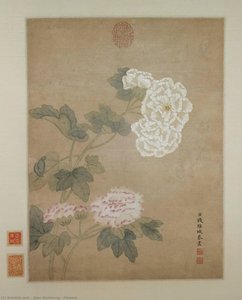
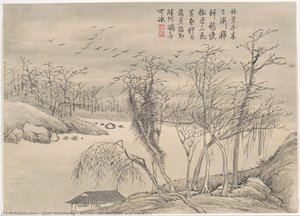
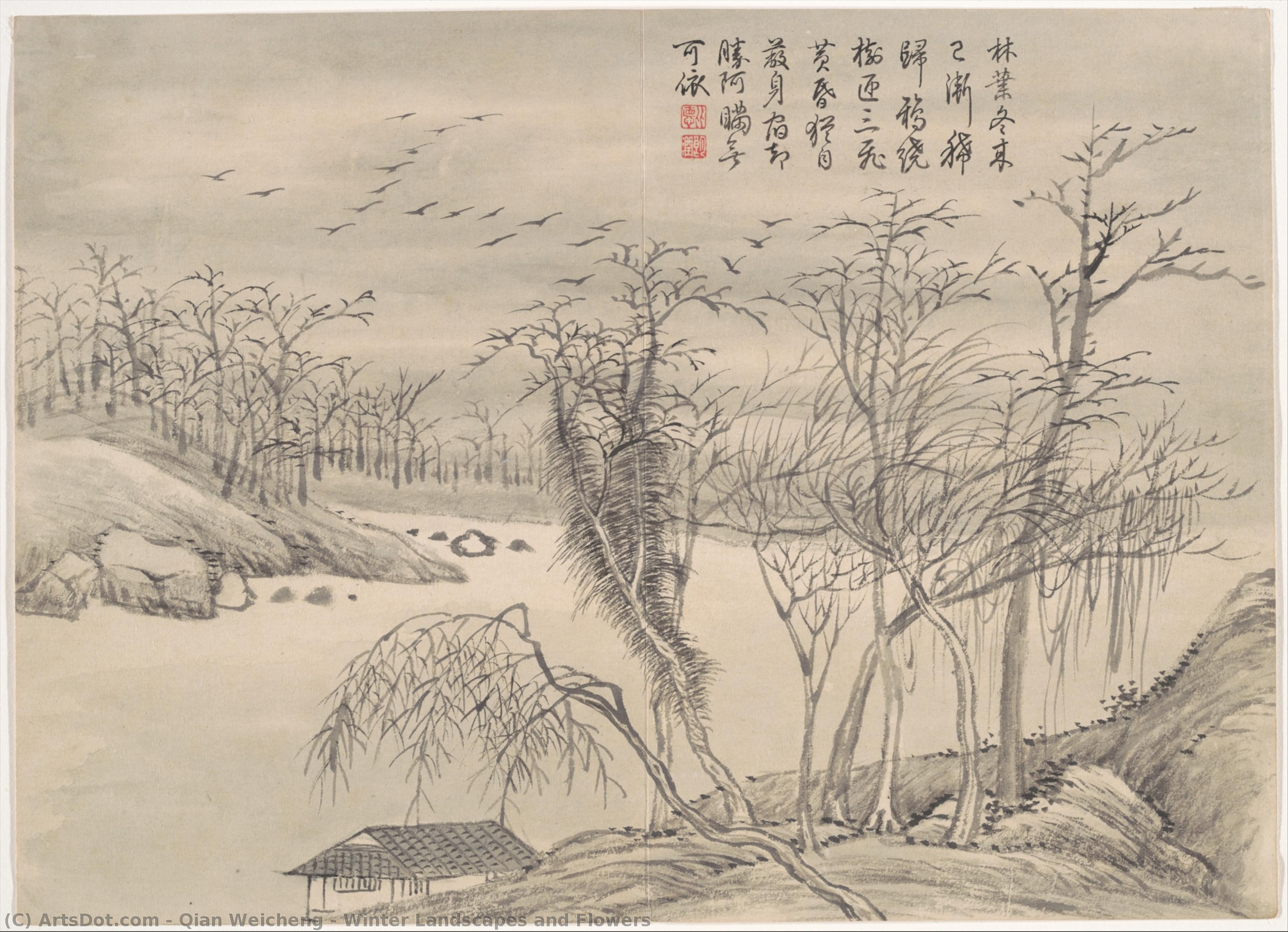
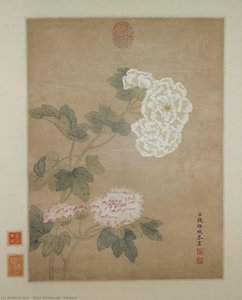
Winter Landscapes and Flowers
 22.0 x 30.0 cm
 Read More
Giclée / Art Print
Museum-quality giclée or canvas print with fast production and flexible finish options. ( Buy Hand Made Painting Buy Image)




































Pick from our preset sizes that match the artwork's original proportions.

You may enter your own dimensions to fit a specific frame or space. If your selected size does not match the original image's proportions, we will either crop the artwork or extend the image with a mirrored or solid-fill edge. A digital mockup will be sent for your approval before production begins.
Please note that the on-screen preview does not reflect the actual cropping or extension. Only the mockup will accurately show the final composition.
While custom sizes are available, we recommend selecting a dimension from the predefined list to preserve the original proportions.
Worldwide Delivery () in 2 weeks instead of standard 4/5 weeks. (23 August)

Free Worldwide Express Shipping

High-Quality Linen Canvas

Full Shipping Insurance

Customs Tax Refund Guarantee

True Color Matching Guarantee

60-Day Return Policy (Defects Only)

100% Money-Back Guarantee

Bulk Discount Offer
 Glass option is only available in size under 110 CM

Winter Landscapes and Flowers
Giclée / Art Print
Reproduction Size
-


Total Price
$ 63
Collectible Description
Related Artworks






Artist Biography
A Master of the Qing Dynasty: The Life and Legacy of Qian Weicheng
In the golden age of the Qing Dynasty, few artists managed to bridge the gap between the rigorous demands of imperial administration and the ethereal beauty of the brush as seamlessly as Qian Weicheng. Born around 1720 in the culturally rich landscape of Changzhou, Jiangsu Province, Qian was far more than a mere painter; he was a distinguished statesman whose life unfolded within the highest echelons of Chinese society. His ascent to the rank of Vice-President of the Board of Works speaks to a profound intellect and administrative prowess, yet it is his delicate touch upon silk and paper that has secured his immortality in the annals of art history. As a prominent figure of the Orthodox School, Qian embodied the Confucian ideal of harmony, translating the vast complexities of the natural world into compositions that resonated with both spiritual depth and technical perfection.
The artistic soul of Qian We cheng was deeply rooted in the traditions of his youth. While much of his early training remains shrouded in the mists of time, scholars point to the vibrant artistic atmosphere of Jiangsu as his primary crucible. He was a student of the esteemed Dong Bangda and found himself immersed in the prestigious Southern Studio at court, an environment that demanded nothing less than excellence. His stylistic lineage was a deliberate homage to the past; he looked backward to the foundational strength of the Four Yuan Masters and drew contemporary inspiration from the Four Wangs of the Qing era. This reverence for tradition allowed him to master the art of atmospheric perspective, using subtle gradations of ink and color to evoke the weight of mountains and the fleeting mist of a morning lake.
Imperial Patronage and the Art of the Seasons
The zenith of Qian’s career was undoubtedly defined by his extraordinary relationship with the Qianlong Emperor. This was not merely a relationship of employer and employee, but one of profound mutual admiration. The Emperor, a connoisseur of unparalleled taste, recognized Qian as one of the most outstanding painters of his age. Over two decades of service at court, Qian produced an astonishing repertoire of more than 275 paintings commissioned by the throne. These works were not merely decorations but were often part of larger, narrative-driven albums designed to celebrate the majesty of the empire and the cyclical beauty of nature.
One of his most captivating achievements lies in his ability to capture the ephemeral transitions of the seasons. His work often alternated between the soft grays and muted tones of wintry landscapes and the vibrant, intense colors of seasonal flora. In his celebrated albums depicting winter, one can almost feel the biting chill of the air as he depicts imperial figures navigating frozen lakes under ice-sled tents. Through meticulous brushwork, Qian transformed the landscape into a stage where the grandeur of the Qing court met the quiet dignity of the natural world. His ability to weave together the following elements made his work truly singular:
- The interplay of light and shadow: Using ink washes to create depth in snow-covered terrains.
- Botanical precision: Rendering flowers with a delicate realism that celebrated life amidst the frost.
- Narrative landscape: Integrating human figures, such as imperial bodyguards, to provide scale and story to vast vistas.
Historical Significance and Enduring Influence
Qian Weicheng passed away in 1772, yet his influence did not vanish with his final breath. The devotion of the Qianlong Emperor was so profound that the sovereign continued to add appreciative inscriptions to Qian’s albums even after the artist's death, a testament to a legacy that transcended the physical life of the creator. His work stands as a pinnacle of the Orthodox School, representing a period where technical mastery and imperial grandeur were perfectly synthesized.
Today, the works of Qian Weicheng serve as vital windows into the 18th-century Chinese psyche. They remind us of an era when art was a tool of statecraft, a medium for philosophical reflection, and a profound celebration of the cosmos. His ability to balance the heavy responsibilities of a high-ranking official with the light, lyrical touch of a master painter remains an inspiration, ensuring that his name continues to be whispered with reverence in the halls of art history.
qian weicheng
1720 - 1772 , China
Quick Facts
- Artistic Movement Or Style: Orthodox School
- Date Of Birth: Changzhou, China (1720)
- Date Of Death: 1772
- Full Name: qian weicheng (錢維城)
- Nationality: Chinese
- Notable Artworks: ['Winter landscapes and flowers']
- Place Of Birth: Changzhou, China