

 Preview
 Send
Send Share
Share
 Details

 Download
 Similars
 X-Ray
X-Ray Diaporama
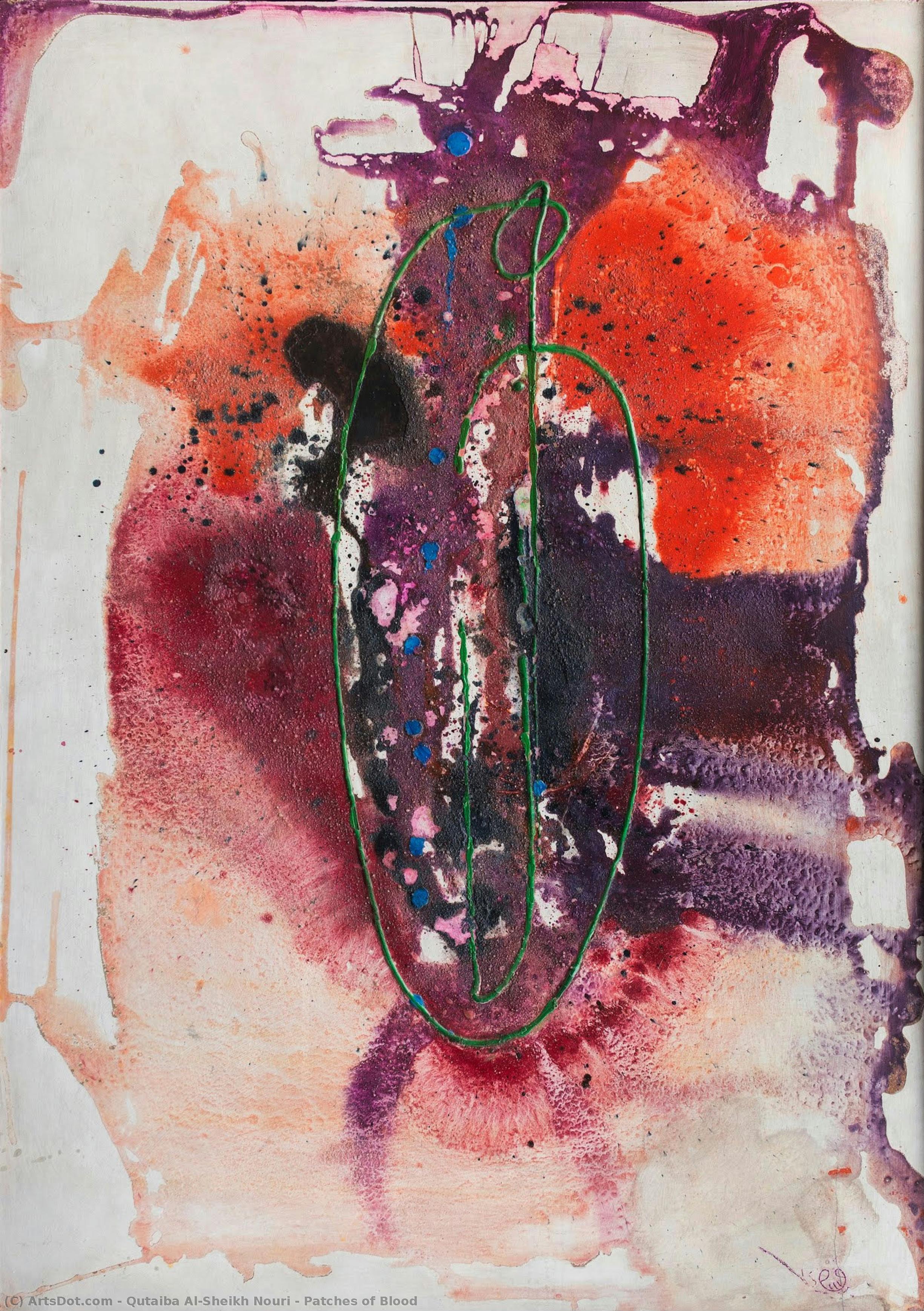
Patches of Blood
 1972
1972- Modern
 100.0 x 70.0 cm
 Ibrahimi Collection
 Read More
Purchase a high-resolution, enhanced digital image, far superior to the online preview.
Each file is meticulously prepared by our in-house specialists using advanced tools and expert manual retouching. We ensure every image has exceptional clarity, precise color accuracy, and fine detail.
The final file is delivered via email within 72 hours, optimized for immediate use in professional, editorial, and print environments. This is the same quality trusted by top-tier design studios, publishers, and galleries.
Digital Image
Download a high-resolution file for personal display, printing, and creative projects. ( Buy Print Buy Hand Made Painting)
Included in Every Digital Image Order
Expert Digital Delivery, Guaranteed
When you choose ArtsDot.com, you're not just getting an image - you're receiving a professionally enhanced digital artwork, crafted with precision and backed by a satisfaction guarantee. Here's everything that comes with your order, automatically:

Fast Email Delivery
Your high-resolution digital image file will be emailed to you within 72 hours of ordering - ready for immediate use.

AI-Enhanced Digital File
Your artwork is professionally optimized using advanced AI tools and manual editing, ensuring maximum detail, clarity, and color accuracy.

Free Lifetime Re-Delivery
Accidentally deleted or lost your file? No worries - we'll resend it to you anytime, free of charge.

No Import Fees - Ever
Enjoy your artwork instantly with zero customs, duties, or delivery fees - digital downloads are always tax-free.

Color Accuracy Guarantee
We ensure your digital image reflects the original colors as closely as possible using professional tools and color management.

60-Day Satisfaction Guarantee
If you're not satisfied with your digital image, we'll revise it or refund 100% within 60 days - no questions asked.

100% Money-Back Guarantee
Not satisfied? Get a full refund within 60 days of receiving your digital file - no questions asked.

Bulk Order Discounts
Buy 3 images, save 10% - Buy 5, save 15% - Buy 10+, save 20%. Great for creative projects, galleries, and agencies.
A Visceral Tapestry of Form and Color
In the evocative masterpiece Patches of Blood, created in 1972 by the profound Iraqi artist Qutaiba Al-Sheikh Nouri, we are invited into a realm where the human silhouette dissolves into a kaleidoscopic exploration of texture and emotion. The painting presents a striking central figure, yet this is no traditional portrait; instead, it is a fragmented anatomy of color. A vibrant green circle anchors the center of the composition, acting as a focal point that draws the eye inward, much like an iris or a spiritual nucleus. Surrounding this verdant core, the body emerges through a complex interplay of reds, deep purples, and unexpected splashes of blue, creating a sense of organic movement that feels both biological and cosmic.
The technique employed by Al-Sheikh Nouri suggests a masterful command over layering and shape. The figure is not defined by rigid outlines but rather by the rhythmic arrangement of various geometric and amorphous forms. This approach gives the subject a multidimensional quality, as if the person is being reconstructed from the very elements of nature itself. For the discerning collector or interior designer, this piece offers a sophisticated balance of complexity and cohesion. The way the colors bleed into one another creates a visual depth that transforms a flat canvas into a breathing, pulsing entity, making it an ideal centerpiece for spaces that demand a conversation-starting presence.
Symbolism and the Language of Abstraction
Beyond its striking aesthetic, Patches of Blood carries a heavy symbolic weight that resonates with the turbulent history of its era. The title itself suggests themes of vulnerability, vitality, and the fragmented nature of identity. By deconstructing the human form into patches of color, Al-Sheikh Nouri explores the concept of the self as something composed of many disparate experiences—some bright and life-affirming, others dark and bruising. The use of red and purple evokes the visceral reality of life and blood, while the green circle introduces a sense of renewal or perhaps a concentrated point of consciousness amidst the chaos.
This work serves as a profound meditation on the fragility of existence. To view this painting is to witness a struggle between structure and dissolution. For those looking to adorn a curated collection, this artwork provides more than mere decoration; it offers an emotional anchor. It invites the viewer to contemplate their own complexity and the beautiful, often messy, assembly of their own history. Whether placed in a contemporary gallery setting or a luxurious private residence, the painting’s ability to evoke introspection makes it a timeless acquisition for those who appreciate art that speaks to the soul.
Related Artworks
Artist Biography
Ursula von Rydingsvard: Sculpting the Echoes of Experience
Born in Germany during a tumultuous period – 1942, a year etched in history by war and displacement – Ursula von Rydingsvard’s life has been profoundly shaped by experiences that resonate deeply within her art. Her early years were marked by instability and upheaval, spent navigating the chaotic landscape of post-war Europe amidst the forced relocation of Polish refugees. This formative period, witnessing firsthand the fragility of existence and the enduring impact of trauma, became a silent but powerful undercurrent in her artistic journey. Her family’s itinerant existence, punctuated by periods of hardship and uncertainty, instilled within her a sensitivity to texture, form, and the subtle nuances of material – qualities that would later become hallmarks of her distinctive sculptural language.
Von Rydingsvard's formal training began at Columbia University in New York City, where she earned a Master’s degree in Studio Art. Crucially, she deliberately rejected the prevailing aesthetic trends of Minimalism, a movement characterized by its stark simplicity and focus on industrial materials. Instead, she found inspiration in the inherent qualities of cedar – a wood that possesses both remarkable strength and an astonishing capacity for decay. This choice wasn't merely stylistic; it reflected her desire to create works that spoke to the passage of time, the inevitability of change, and the quiet dignity of natural processes. Cedar’s slow transformation, its gradual weathering and eventual disintegration, became a metaphor for life itself – a continuous cycle of growth, decay, and renewal.
- Early Exploration: Initially experimenting with bronze and animal intestines (a practice she abandoned due to ethical concerns), von Rydingsvard quickly established cedar as her primary medium.
- Expanding the Palette: Over the decades, she has incorporated a diverse range of materials into her work – textiles, handmade paper, and even meticulously crafted resin casts – each contributing to the complex textures and layered meanings of her sculptures.
- A Rejection of Minimalism: Her decision to embrace organic forms and tactile surfaces represented a deliberate departure from the prevailing minimalist aesthetic, asserting a more expressive and emotionally resonant approach to sculpture.
The Language of Form and Texture
Von Rydingsvard’s sculptures are not easily categorized; they resist simple labels or straightforward narratives. They possess an ambiguous quality, inviting viewers to engage with them on multiple levels – intellectually, emotionally, and even physically. The monumental scale of many of her works—often exceeding ten feet in height—forces a direct confrontation with the viewer, demanding attention and prompting contemplation. Her sculptures are characterized by their irregular, almost chaotic forms, achieved through a painstaking process of hand-carving and manipulation. She rarely uses traditional tools, preferring to work directly with her hands, imbuing each piece with an undeniable sense of human touch.
Texture plays a crucial role in her artistic vocabulary. The rough, weathered surfaces of the cedar evoke a sense of age and resilience, while the delicate layering of textiles and paper introduces elements of vulnerability and fragility. The interplay between these contrasting textures creates a dynamic tension within each sculpture – a visual representation of the complexities inherent in human experience. Her work is often described as “organic” not just in its material choices but also in its feeling—a sense of growth, decay, and interconnectedness.
Echoes of Displacement and Memory
While her sculptures are undeniably abstract, they are deeply rooted in von Rydingsvard’s personal history. The experiences of displacement and loss that shaped her childhood continue to inform her artistic practice, albeit indirectly. She has spoken about the influence of her family's nomadic existence on her understanding of space, time, and the relationship between objects and memory. The sculptures themselves can be interpreted as echoes of these fragmented memories – tangible representations of a past that refuses to be fully contained or defined.
It’s important to note that von Rydingsvard deliberately avoids direct autobiographical depictions. Instead, she utilizes symbolic language and evocative forms to convey broader themes of resilience, survival, and the enduring power of human connection. The ambiguous subjects of her sculptures—often resembling skeletal remains, tangled roots, or weathered branches—suggest a profound awareness of mortality and the interconnectedness of all living things.
Recognition and Legacy
Ursula von Rydingsvard’s work has been exhibited extensively throughout North America and Europe, earning her critical acclaim and recognition from numerous prestigious institutions. She is represented in over thirty museum collections, including the National Museum of Women in the Arts in Washington D.C., where she was awarded the Lifetime Achievement Award for Excellence in the Arts in 2019. Her contributions to contemporary sculpture have been acknowledged with several awards, most notably the International Sculpture Center Lifetime Achievement Award in 2014.
Beyond her artistic achievements, von Rydingsvard’s life story serves as a testament to the resilience of the human spirit. Her sculptures are not merely objects of aesthetic contemplation; they are powerful reminders of the enduring impact of personal history and the transformative potential of art. As she continues to work, Ursula von Rydingsvard remains a vital voice in contemporary sculpture, inviting us to engage with the complexities of existence through the evocative language of form and texture.
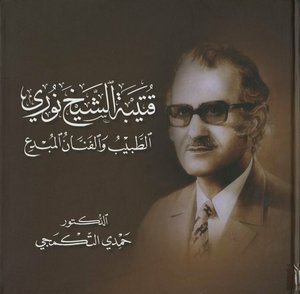
qutaiba al-sheikh nouri
1942 - 2014 , Iraq
Quick Facts
- Artistic Movement Or Style: Abstract Sculpture
- Artists Or Movements Influenced By This Artist: ['Contemporary Sculpture']
- Artists Who Influenced This Artist: ['Minimalism']
- Date Of Birth: 1942
- Full Name: Ursula von Rydingsvard
- Nationality: American
- Notable Artworks:
- Cedar Variations
- The Forest
- Roots
- Place Of Birth: Germany

