

 Preview
 Send
Send Share
Share
 Details

 Download
 Similars
 X-Ray
X-Ray Diaporama
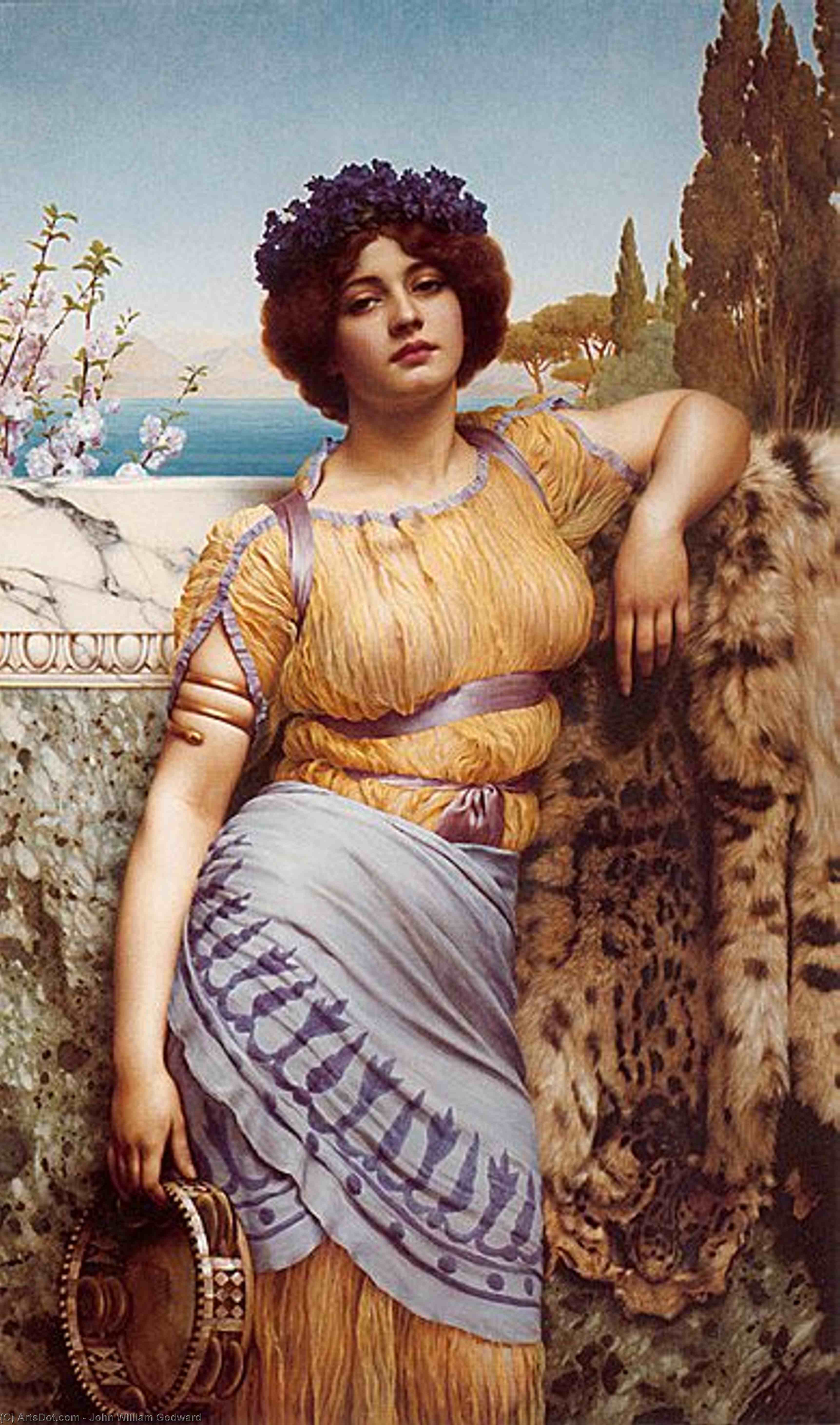
Ionian Dancing Girl


 Read More
Purchase a high-resolution, enhanced digital image, far superior to the online preview.
Each file is meticulously prepared by our in-house specialists using advanced tools and expert manual retouching. We ensure every image has exceptional clarity, precise color accuracy, and fine detail.
The final file is delivered via email within 72 hours, optimized for immediate use in professional, editorial, and print environments. This is the same quality trusted by top-tier design studios, publishers, and galleries.
Digital Image
Download a high-resolution file for personal display, printing, and creative projects. ( Buy Print Buy Hand Made Painting)
Included in Every Digital Image Order
Expert Digital Delivery, Guaranteed
When you choose ArtsDot.com, you're not just getting an image - you're receiving a professionally enhanced digital artwork, crafted with precision and backed by a satisfaction guarantee. Here's everything that comes with your order, automatically:

Fast Email Delivery
Your high-resolution digital image file will be emailed to you within 72 hours of ordering - ready for immediate use.

AI-Enhanced Digital File
Your artwork is professionally optimized using advanced AI tools and manual editing, ensuring maximum detail, clarity, and color accuracy.

Free Lifetime Re-Delivery
Accidentally deleted or lost your file? No worries - we'll resend it to you anytime, free of charge.

No Import Fees - Ever
Enjoy your artwork instantly with zero customs, duties, or delivery fees - digital downloads are always tax-free.

Color Accuracy Guarantee
We ensure your digital image reflects the original colors as closely as possible using professional tools and color management.

60-Day Satisfaction Guarantee
If you're not satisfied with your digital image, we'll revise it or refund 100% within 60 days - no questions asked.

100% Money-Back Guarantee
Not satisfied? Get a full refund within 60 days of receiving your digital file - no questions asked.

Bulk Order Discounts
Buy 3 images, save 10% - Buy 5, save 15% - Buy 10+, save 20%. Great for creative projects, galleries, and agencies.
Collectible Description
A Vision of Classical Grace
In the luminous realm of Victorian Neoclassicism, few works capture the ethereal essence of antiquity as tenderly as John William Godward’s Ionian Dancing Girl. Painted at the dawn of the twentieth century, this masterpiece serves as a window into a lost world of marble terraces and sun-drenched Mediterranean landscapes. The painting presents us with a captivating portrait of a young woman, her form draped in a flowing blue dress that clings to her silhouette with the delicate precision of silk. A vibrant purple sash cinches her waist, adding a regal splash of color that draws the eye toward the graceful movement suggested by her pose. Adorned with a delicate flower crown, she embodies the very spirit of the Ionian tradition—a seamless blend of natural beauty and cultivated elegance that transports the viewer far beyond the industrial soot of 1902 London.
The composition is a masterclass in balance and harmony, hallmarks of the Neoclassical movement. While the central figure commands our attention, Godward subtly populates the background with observers who lend a sense of narrative depth to the scene, suggesting we are witnessing a private moment within a larger, communal celebration. The presence of classical architecture and lush, verdant vegetation creates an idyllic stage, where every element—from the intricate patterns of her jewelry to the soft textures of the surrounding flora—is rendered with meticulous care. This attention to detail does more than showcase technical prowess; it builds a tactile reality that allows the collector to feel the warmth of the sun and the coolness of the marble beneath the dancer's feet.
The Artistry of Texture and Light
To behold a reproduction of Ionian Dancing Girl is to appreciate the profound influence of masters like Sir Lawrence Alma-Tadema. Godward possessed an extraordinary ability to manipulate oil on canvas to mimic the varied textures of the ancient world. One can almost sense the weight of the heavy fabrics, the smoothness of polished stone, and the organic softness of the floral crown. His technique relies on a sophisticated use of light, which dances across the folds of the blue drapery and illuminates the skin of the subject with a pearlescent glow. This interplay of light and shadow creates a three-dimensional quality that breathes life into the canvas, making the figure appear as though she might step gracefully from her classical stage into the modern room.
For the discerning interior designer or art collector, this piece offers more than mere decoration; it provides an emotional anchor. The painting evokes a sense of timelessness and tranquility, making it an ideal centerpiece for spaces designed for reflection and sophistication. Whether placed in a grand salon or a quiet study, the Ionian Dancing Girl brings with it an aura of cultured refinement. It is a work that celebrates the enduring allure of classical beauty, offering a serene escape into a world where symmetry, grace, and harmony reign supreme. Owning such a piece is an invitation to surround oneself with the poetic splendor of the Victorian era's most exquisite dream of antiquity.
Related Artworks

Artist Biography
John William Godward: A Victorian Neo-Classical Master
Early Life and Background
- Born: August 9, 1861, Wimbledon, England.
- Died: December 13, 1922, London, England.
- John William Godward was the eldest of five children born to John Godward, an investment clerk, and Sarah Eboral.
- His early life was marked by a reclusive nature, largely attributed to his parents’ overbearing personalities. This introversion profoundly influenced his artistic sensibilities.
Artistic Development and Influences
- Early Training: Godward received formal art training, though specific details remain scarce due to the destruction of his personal papers.
- Key Influences: He was heavily influenced by Sir Lawrence Alma-Tadema and Frederic Leighton, both prominent figures in Victorian Neo-Classicism.
- Like Alma-Tadema, Godward demonstrated a meticulous attention to detail in rendering classical architecture and textures. However, he developed his own distinct style characterized by vibrant colors and idealized depictions of beauty.
Career and Major Works
- Royal Academy Exhibitions: Godward first exhibited at the Royal Academy in 1887, marking the beginning of his public recognition.
- Notable Paintings:
- Dolce far Niente (1904): Perhaps his most famous work, purchased by Andrew Lloyd Webber in 1995.
- When the Heart is Young (1902): Exemplifies Godward’s ability to capture youthful innocence and beauty.
- The Mirror (1899): Showcases his skill in contrasting textures and creating a sense of depth.
- In the Tepidarium (1913): A semi-nude figure demonstrating his versatility within the Neo-Classical genre.
- Athenais: A stunning example of his idealized female figures in classical settings.
- Move to Italy: In 1912, Godward moved to Rome with one of his models, a decision that led to estrangement from his family.
Style and Themes
- Neo-Classical Style: Godward’s work is characterized by its adherence to classical forms, themes, and aesthetics.
- Recurring Motifs: He frequently depicted beautiful women in classical attire, often engaged in moments of repose or contemplation.
- Technical Mastery: Godward was renowned for his meticulous attention to detail, particularly in rendering textures such as marble, fur, and fabrics. His use of vibrant colors further distinguished his style.
- He is often described as a ‘High Victorian Dreamer’ due to the idealized and romanticized nature of his paintings.
Tragic End and Legacy
- Death: Godward tragically took his own life in 1922 at the age of 61.
- Family Reaction: His family, ashamed of his suicide, destroyed his papers and attempted to erase his memory.
- Historical Significance: Despite the attempts to suppress his legacy, Godward’s work has experienced a resurgence in popularity. He remains a significant figure in Victorian Neo-Classicism, celebrated for his technical skill, idealized beauty, and evocative depictions of classical themes.
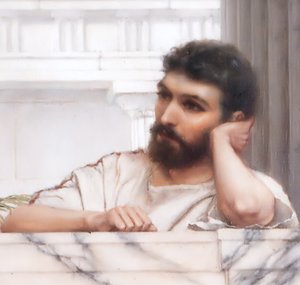
r.b.a john william godward
1861 - 1922
Quick Facts
- Birth Date: 1861
- Death Date: 1922
- Influenced By:
- Sir Lawrence Alma-Tadema
- Frederic Leighton
- Movement: Neo-Classicism, Victorian painting
- Name: John William Godward
- Nationality: British
- Notable Works:
- Dolce far Niente
- When the Heart is Young
- The Mirror
- In the Tepidarium
- Athenais
- Expectancy

