 Preview
 Send
Send Share
Share
 Details

 Download
 Similars
 X-Ray
X-Ray Diaporama
Rachel Ruysch (1664–1750)
 Oil On Canvas
- WallArt
- Dutch Golden Age
 1692
1692- Early Modern
 76.0 x 64.0 cm
 Metropolitan Museum of Art
 Read More
Hand Made Oil Reproduction
Hand-painted oil on canvas in your size and frame, made to order by our artists. ( Buy Print Buy Image)




P118B $10

P118H $10

P118W $10

P438Z $10

P508JH $12

P508YH $12

P805H $10

P805Z $10

P919BZ $10

P919G $10

P919XJ $10

P959ZH $10

P968JZ $12

W106C $8

W218G $10

W218JH $8

W218Y $10

W307PJ $10

W316G $10

W316PJ $8

W316Y $10

W398PJ $8

W4111J $10

W500HY $15

W500JH $15

W692G $12

W849H $8

W940BG $15

W953PJ $8




Pick from our preset sizes that match the artwork's original proportions.

You may enter your own dimensions to fit a specific frame or space. If your selected size does not match the original image's proportions, we will either crop the artwork or extend the painting with additional hand-painted elements. A digital mockup will be sent for your approval before production begins.
Please note that the on-screen preview does not reflect the actual cropping or extension. Only the mockup will accurately show the final composition.
While custom sizes are available, we recommend selecting a dimension from the predefined list to preserve the original proportions.
After order, ArtsDot.com team will email client for instructions and provide a mockup preview
Worldwide Delivery () in 3/4 weeks instead of standard 5 weeks. (21 August). No compromise on quality.

Free Worldwide Express Shipping

High-Quality Linen Canvas

Full Shipping Insurance

Customs Tax Refund Guarantee

True Color Matching Guarantee

60-Day Return Policy (Defects Only)

100% Money-Back Guarantee

Bulk Discount Offer
 Glass option is only available in size under 110 CM

Rachel Ruysch (1664–1750)
Reproduction Medium
Reproduction Size
-


Total Price
$ 263
Artwork Description
The Botanical Symphony of Rachel Ruysch
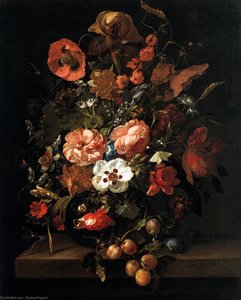
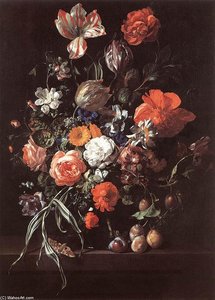
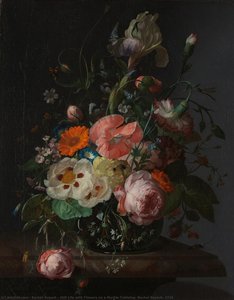
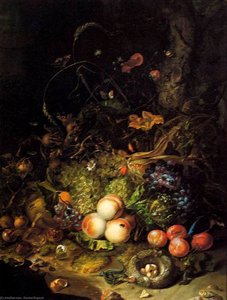
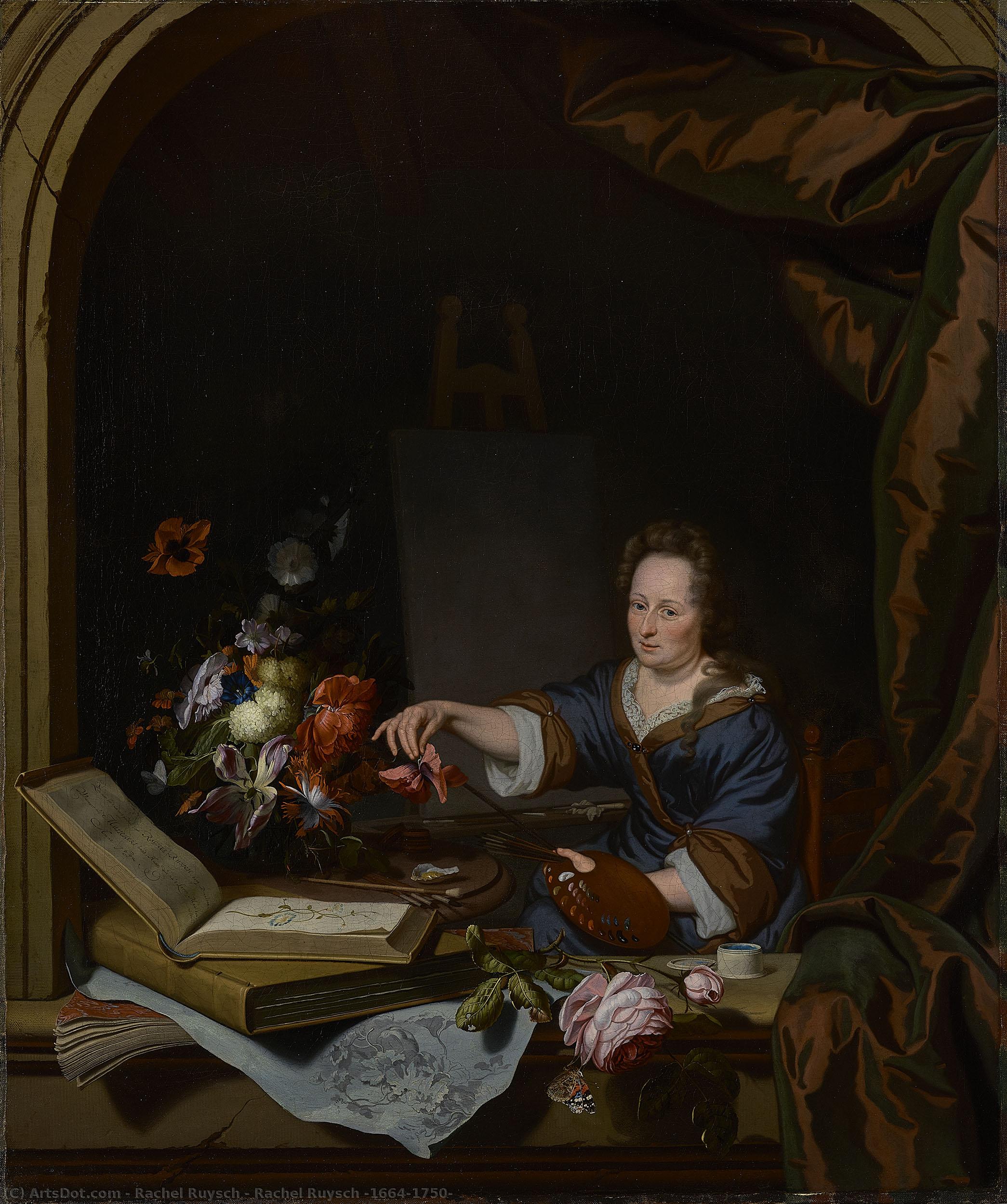
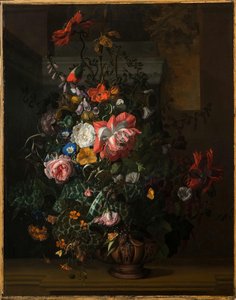
To step into the world of Rachel Ruysch is to enter a realm where the boundaries between scientific precision and poetic beauty dissolve entirely. A true pioneer of the Dutch Golden Age, Ruysch did not merely paint flowers; she orchestrated them. Born into a household defined by the wonders of the natural sciences—the daughter of the renowned anatomist Frederik Ruysch—her early life was an immersion in a living cabinet of curiosities. This unique upbringing gifted her with an unparalleled eye for the minute details of the botanical world, allowing her to capture the delicate veins of a petal and the translucent wings of an insect with a realism that feels almost tactile. Her work serves as a breathtaking bridge between the empirical observations of the Enlightenment and the profound emotional resonance of fine art.
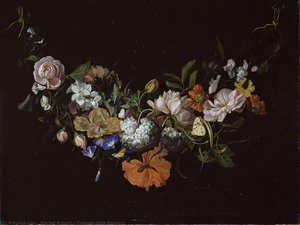
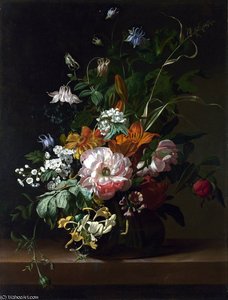
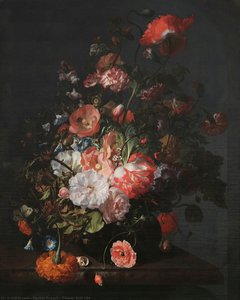
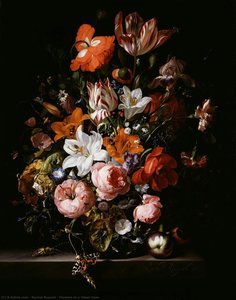
In her most captivating compositions, such as her celebrated floral still lifes, Ruysch employs a masterful use of chiaroscuro to breathe life into her subjects. Against deep, velvety shadows that seem to recede into infinite darkness, her blossoms emerge with a luminous, almost supernatural vitality. This dramatic interplay of light and shadow does more than create depth; it directs the viewer's gaze through a carefully choreographed dance of color and form. Each tulip, rose, and peony is rendered with painstaking precision using oil on canvas, showcasing a technique that celebrates both the structural integrity of the plant and the ephemeral fragility of its bloom. For the discerning collector or interior designer, these works offer a sense of dramatic elegance, providing a sophisticated focal point that commands attention through its quiet, intense energy.
Symbolism and the Fleeting Moment
Beyond the sheer technical brilliance lies a profound layer of symbolism that invites deep contemplation. Ruys ch’s paintings are masterclasses in the vanitas tradition—a genre designed to remind the viewer of the transience of life and the inevitability of time. While her arrangements appear lush and abundant, a closer inspection often reveals the subtle markers of decay: a drooping stem, a bruised petal, or a tiny insect beginning its feast. These elements serve as poignant metaphors for the fleeting nature of beauty and the cyclical rhythm of existence. There is a hauntingly beautiful tension in her work; it captures a moment of peak perfection even as it acknowledges the approaching wilt.
This duality makes her art particularly resonant for modern spaces, where such pieces can evoke a sense of timelessness and mindfulness. To hang a reproduction of a Ruysch masterpiece is to invite a conversation about presence and appreciation. The emotional impact is one of profound intimacy, as if the viewer has been granted a private audience with nature’s most exquisite secrets. Whether placed in a sunlit gallery or a moody, contemporary study, her work brings an atmosphere of scholarly sophistication and organic grace, making it an incomparable choice for those looking to infuse their surroundings with history, intellect, and soul.
Related Artworks
Artist Biography
A Life Immersed in Blooms: The World of Rachel Ruysch
Rachel Ruysch emerged from a uniquely stimulating environment, one that fostered both scientific inquiry and artistic expression. Born in 1664 in The Hague, Netherlands, her father, Frederik Ruysch, was a celebrated professor of anatomy and botany, renowned for his meticulous collections of botanical specimens, animal skeletons, and minerals. This household wasn’t merely a home; it was a cabinet of curiosities, a living laboratory where young Rachel developed an unparalleled eye for detail and a deep appreciation for the natural world. It was within these walls that her artistic journey began, sketching and painting the delicate forms of flowers and insects drawn directly from her father's extraordinary collection. This early immersion wasn’t simply about replicating what she saw; it was about understanding the very essence of life, its fragility, and its fleeting beauty – themes that would come to define her oeuvre. Her initial training wasn’t confined to self-study, however. At fifteen, she formally apprenticed with Willem van Aelst, a leading flower painter in Amsterdam, where she honed her technical skills and learned the art of composing bouquets that appeared both lavish and effortlessly natural.The Blossoming of a Distinctive Style
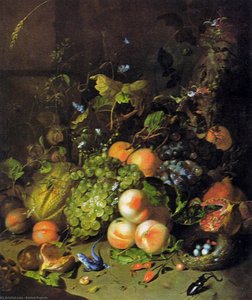
Ruysch didn’t simply follow in the footsteps of her predecessors; she forged her own path, developing a style instantly recognizable for its meticulous detail, vibrant color palettes, and dynamic asymmetry. While many still life painters of the era favored symmetrical arrangements, Ruysch embraced a more naturalistic approach, depicting flowers with drooping petals and wild stems that conveyed a sense of movement and vitality. Her mastery lay in her ability to capture the textures and subtle variations within each bloom, rendering them with astonishing realism. The dark backgrounds characteristic of her work weren’t merely aesthetic choices; they served to dramatically highlight the brilliance and delicate forms of the floral subjects, creating a captivating interplay of light and shadow. Influenced by artists like Otto Marseus van Schrieck, she occasionally incorporated elements of forest floor scenes into her compositions, adding insects, lizards, and other small creatures amidst lush foliage, further enhancing the sense of naturalism. She possessed an unusual ability to combine flowers that bloomed in different seasons, a testament not only to her artistic creativity but also to her knowledge of botany – a skill undoubtedly nurtured by her father’s profession and access to botanical gardens through his extensive network.Recognition and Royal Patronage
Rachel Ruysch achieved an extraordinary level of success during her lifetime, a remarkable feat for a female artist in the 17th and 18th centuries. Her paintings attracted patrons from across Europe, including members of royal families like the Medici. This widespread acclaim wasn’t accidental; it was earned through sheer talent and dedication. In 1701, she broke barriers by becoming the first woman admitted as a member of Pictura, an exclusive artists' society in The Hague – a significant acknowledgment of her skill and standing among her male peers. Perhaps one of the most notable chapters in her career came with her invitation to Düsseldorf in 1708 to serve as court painter to Johann Wilhelm, the Elector Palatine of Bavaria. She remained in his service for eight years, producing works that further solidified her reputation throughout Europe. Even amidst her professional achievements, Ruysch balanced a fulfilling personal life. In 1693, she married Jurriaen Pool, a portrait painter, and together they raised ten children – an unusual accomplishment for a woman artist of the time who was expected to prioritize domestic duties over her career. A testament to her cultural impact was the publication of a collection of poems celebrating her paintings during her lifetime—a rare honor bestowed upon any artist, regardless of gender.A Lasting Legacy in Floral Art
Rachel Ruysch’s contribution to Dutch Golden Age art extends far beyond her technical brilliance and artistic innovation. She challenged prevailing societal norms, demonstrating that women could achieve significant success as professional artists in a field largely dominated by men. Her meticulous attention to detail, innovative compositions, and ability to capture the ephemeral beauty of flowers influenced generations of still life painters who followed. Today, her paintings are highly valued and can be found in prestigious collections worldwide, including the National Museum of Women in the Arts, the Toledo Museum of Art, and the Mauritshuis. She died in 1750 at the age of 86, leaving behind a substantial body of work that continues to inspire awe and admiration. Ruysch’s legacy is not merely as a painter of flowers, but as a pioneer who bloomed in a world that often sought to confine her. Her story serves as a powerful reminder of the enduring power of artistic vision and the importance of challenging societal expectations. She remains one of history's most talented still-life painters, whose exquisite floral arrangements continue to captivate audiences centuries after their creation.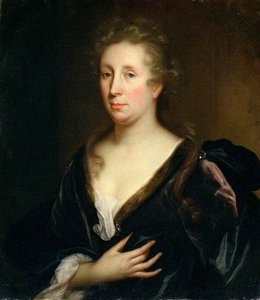
Rachel Ruysch
1664 - 1750 , Netherlands
Quick Facts
- Artistic Movement Or Style: Still life, Floral painting
- Artists Or Movements Influenced By This Artist: ['Still life painters']
- Artists Who Influenced This Artist:
- Willem van Aelst
- Otto Marseus van Schrieck
- Date Of Birth: June 3, 1664
- Date Of Death: 1750
- Full Name: Rachel Ruysch
- Nationality: Dutch
- Notable Artworks:
- Still Life with Flowers...
- Still-Life with Flowers
- Place Of Birth: Amsterdam, Netherlands
Related Articles

Dutch Masters: 10 Golden Age Paintings That Still Inspire |
Journey into the Dutch Golden Age! Explore 10 iconic paintings by Rembrandt, Vermeer & Hals. Discover the stories behind these Baroque masterpieces and find museum-quality art reproductions to elevate your home decor on .
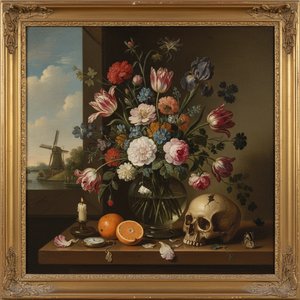
Jan Jansz Wijnants: A Study in Dutch Golden Age Still Life & Floral Transience
Explore the captivating world of Jan Wijnants and Dutch Golden Age still life painting. Discover symbolism, masterful techniques & lasting influence on floral art history. Learn more!

Golden Age Reflections: Dutch Baroque Painting & Cultural Innovation
Explore the Dutch Golden Age of painting! Discover key artists like Vermeer & ter Borch, their innovative techniques, and the rich cultural context behind these Baroque masterpieces. Learn about collecting & appreciating this iconic art period.
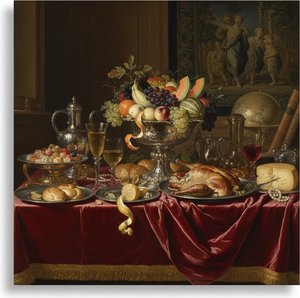
Abraham Hendricksz van Beyeren: Pioneering Dutch Still Life & the Banquet Tradition
Explore the captivating world of Dutch Golden Age still life with Abraham van Beyeren. Discover his innovative techniques, symbolic banquet scenes & lasting influence on art history. Learn about collecting these masterpieces.

Illuminating Innovation: Exploring the Dutch Golden Age of Painting
Explore the Dutch Golden Age of painting with ArtsDot. Discover Rembrandt, Vermeer & other Masters. Learn about key characteristics, iconic artworks, and lasting influence. Expert insights for collectors & enthusiasts.