 Preview
 Send
Send Share
Share
 Details

 Download
 Similars
 X-Ray
X-Ray Diaporama
 Stats
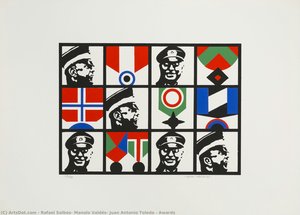
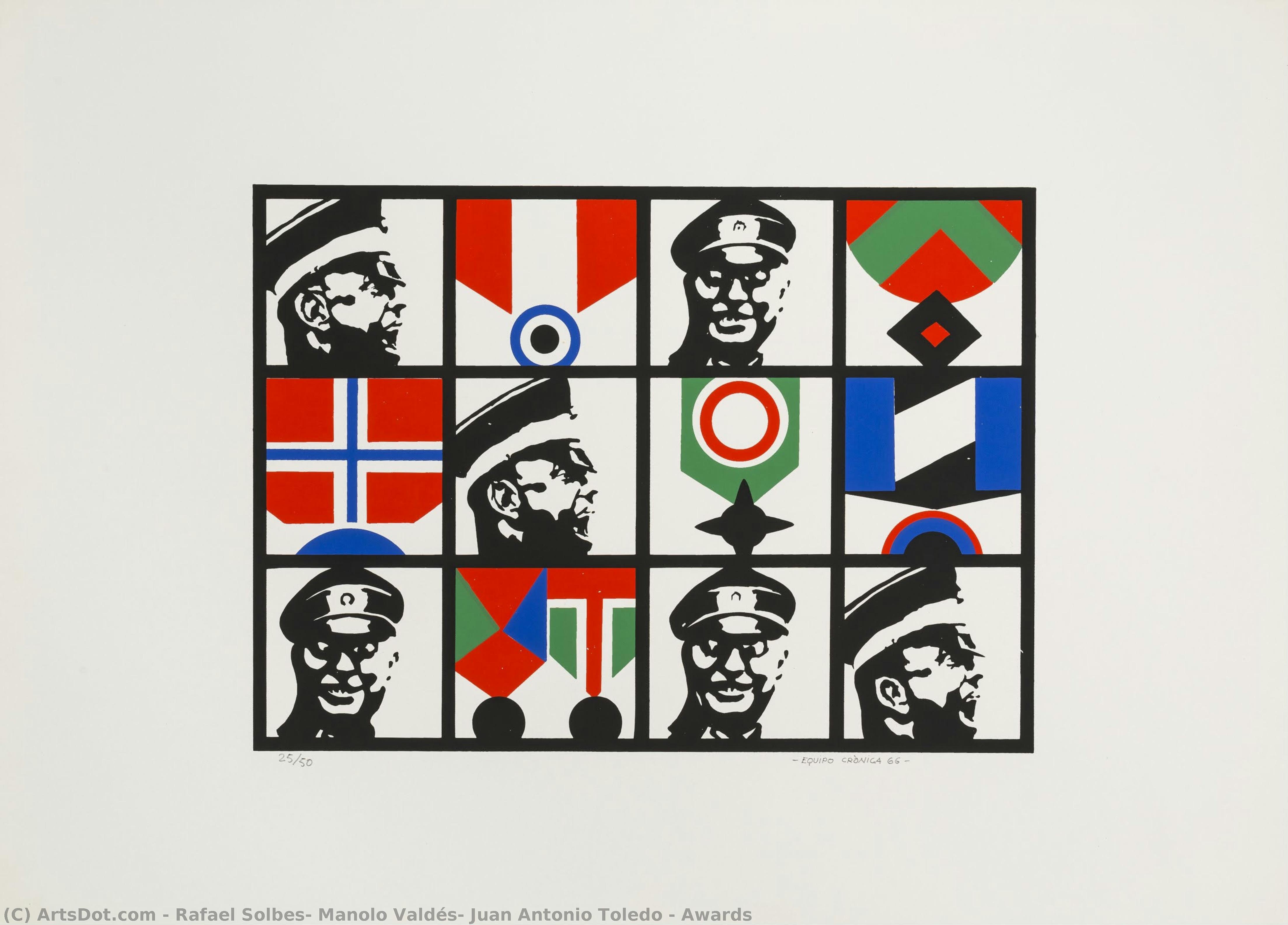
StatsAwards
 39.0 x 55.0 cm
 Read More
Giclée / Art Print
Museum-quality giclée or canvas print with fast production and flexible finish options. ( Buy Hand Made Painting Switch to Digital Image)




































Pick from our preset sizes that match the artwork's original proportions.

You may enter your own dimensions to fit a specific frame or space. If your selected size does not match the original image's proportions, we will either crop the artwork or extend the image with a mirrored or solid-fill edge. A digital mockup will be sent for your approval before production begins.
Please note that the on-screen preview does not reflect the actual cropping or extension. Only the mockup will accurately show the final composition.
While custom sizes are available, we recommend selecting a dimension from the predefined list to preserve the original proportions.
Worldwide Delivery () in 2 weeks instead of standard 4/5 weeks. (12 September)

Free Worldwide Express Shipping

High-Quality Linen Canvas

Full Shipping Insurance

Customs Tax Refund Guarantee

True Color Matching Guarantee

100-Day Return Policy (Defects Only)

100% Money-Back Guarantee

Bulk Discount Offer
 Glass option is only available in size under 110 CM

Awards
Giclée / Art Print
Reproduction Size
-


Total Price
$ 63
Related Artworks



Artist Biography
The Defiant Pulse of Equipo Crónica
In the heart of Valencia, Spain, during the mid-1960s, a transformative artistic rebellion was taking shape. Equipo Crónica—the collective identity forged by Rafael Solbes, Man/o Valdés, and Juan Antonio Toledo—emerged not merely as a group of painters, but as a vital, breathing response to the suffocating atmosphere of the Franco regime. At a time when Spain’s social and cultural life was heavily suppressed by authoritarian rule, this trio utilized the vibrant, accessible language of Pop Art to stage a visual insurrection. Their work acted as a crucible for political dialogue, blending the aesthetics of mass culture with a profound, underlying critique of the status quo.
The collective’s artistic vision was a masterful tapestry of realism, jarring irony, and a playful yet biting sense of humor. They possessed a unique ability to capture the essence of everyday life—the grit of urban landscapes and the quiet dignity of ordinary portraits—while simultaneously exposing the deep-seated social injustices lurking beneath the surface. By employing meticulous detail and photographic techniques, they created canvases that functioned as visual declarations against censorship. Their art was never static; it was a dynamic interrogation of identity and social responsibility, designed to awaken a nation from its enforced slumber.
Technique, Influence, and the Language of Resistance
Drawing inspiration from the global giants of the Pop Art movement, such as Andy Warhol and Roy Lichtenstein, Equipo Crónica adapted modern techniques like silkscreen printing and collage to resonate with the anxieties of their era. This approach allowed them to bridge the gap between high art and the pervasive influence of consumer culture. Their work often featured a striking juxtaposition: the beauty of form clashing with the harsh reality of political propaganda.
The evolution of their style was marked by several key artistic pillars:
- The Use of Irony: They skillfully employed humor to disarm censors and invite viewers to question established hierarchies.
- Visual Realism: A commitment to depicting the tangible world, which served to ground their political messages in a relatable reality.
- Mass Media Aesthetics: Utilizing the textures of print and collage to mirror the impact of mass communication on the human experience.
Through these methods, they interrogated the impact of consumerism and the weight of historical memory, ensuring that their art was as much a sociological study as it was an aesthetic achievement.
Legacy and the End of an Era
The trajectory of Equipo Crónica was as intense as it was brief. The group’s activity reached a poignant conclusion in 1981, following the untimely death of Rafael Solbes. This loss marked the end of a specific era of resistance, yet the impact of their collaborative spirit remained etched in the history of Spanish modernism. While Juan Antonio Toledo departed from the collective earlier, and Manolo Valdés eventually transitioned into a highly successful solo career in New York—incorporating art historical motifs and monumental sculpture—the foundation laid by the trio remains foundational to understanding post-war Spanish art.
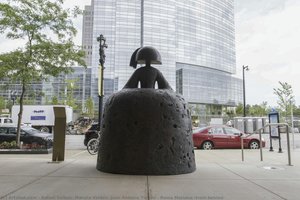
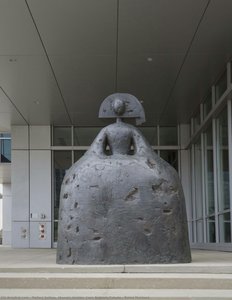
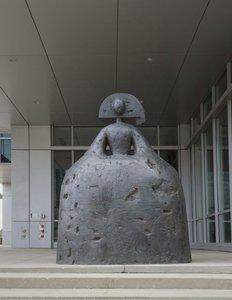
Their achievements are immortalized in works that continue to evoke contemplation, such as the striking bronze sculpture “Reina Mariana,” which captures the intersection of urbanity and the human form. The legacy of Equipo Crónica is one of unwavering courage; they proved that art could serve as a powerful tool for cultural critique, transforming the canvas into a site of profound political and social transformation.
rafael solbes, manolo valdés, juan antonio toledo
1965 - 1981 , Spain
Quick Facts
- Artistic Movement Or Style: Pop Art
- Artists Or Movements Influenced By This Artist:
- Rafael Armengol
- Manuel Boix
- Antoni Miró
- Artur Heras
- Date Of Birth: 1965
- Full Name: Rafael Solbes, Manolo Valdés, Juan Antonio Toledo
- Nationality: Spanish
- Notable Artworks:
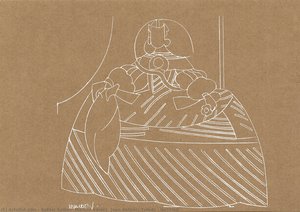
- Untitled
- Reina Mariana
- Reina Mariana (from behind)
- Place Of Birth: Valencia, Spain