 Preview
 Send
Send Share
Share
 Details

 Download
 Similars
 X-Ray
X-Ray Diaporama
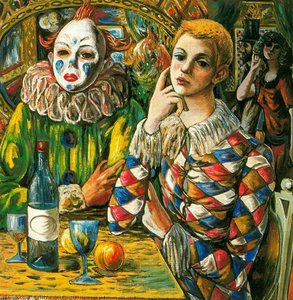
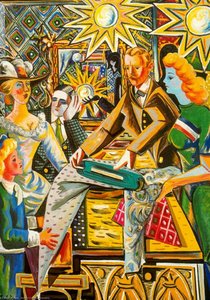
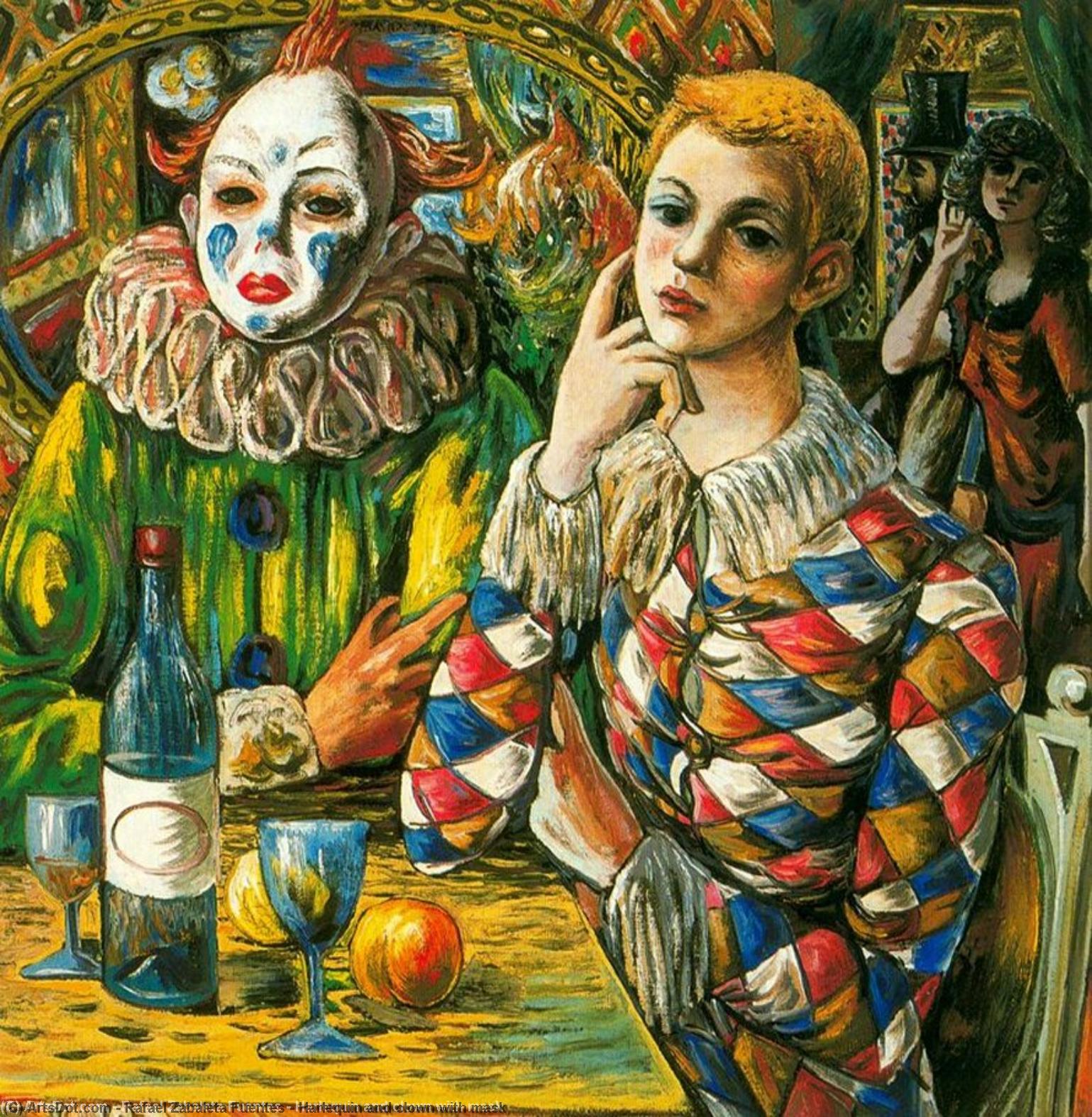
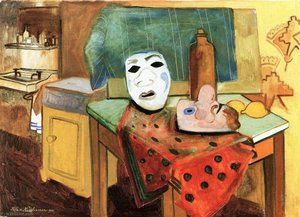
Harlequin and clown with mask
 Oil
Oil- WallArt
- Spanish Expressionism
 1942
1942- Modern
 81.0 x 80.0 cm
 Read More
Giclée / Art Print
Museum-quality giclée or canvas print with fast production and flexible finish options. ( Buy Hand Made Painting Buy Image)




P118B $10

P118H $10

P118W $10

P438Z $10

P508JH $12

P508YH $12

P805H $10

P805Z $10

P919BZ $10

P919G $10

P919XJ $10

P959ZH $10

P968JZ $12

W106C $8

W218G $10

W218JH $8

W218Y $10

W307PJ $10

W316G $10

W316PJ $8

W316Y $10

W398PJ $8

W4111J $10

W500HY $15

W500JH $15

W692G $12

W849H $8

W940BG $15

W953PJ $8




Pick from our preset sizes that match the artwork's original proportions.

You may enter your own dimensions to fit a specific frame or space. If your selected size does not match the original image's proportions, we will either crop the artwork or extend the image with a mirrored or solid-fill edge. A digital mockup will be sent for your approval before production begins.
Please note that the on-screen preview does not reflect the actual cropping or extension. Only the mockup will accurately show the final composition.
While custom sizes are available, we recommend selecting a dimension from the predefined list to preserve the original proportions.
Worldwide Delivery () in 2 weeks instead of standard 4/5 weeks. (27 August)

Free Worldwide Express Shipping

High-Quality Linen Canvas

Full Shipping Insurance

Customs Tax Refund Guarantee

True Color Matching Guarantee

60-Day Return Policy (Defects Only)

100% Money-Back Guarantee

Bulk Discount Offer
 Glass option is only available in size under 110 CM

Harlequin and clown with mask
Giclée / Art Print
Reproduction Size
-


Total Price
$ 63
A Carnival of Shadows: The Enigmatic World of Rafael Zabaleta Fuentes
In the quiet corners of Spanish Expressionism lies a masterpiece that captures the bittersweet essence of the human masquerade. Harlequin and clown with mask, painted in 1942 by the evocative Rafael Zabaleta Fuentes, is not merely a depiction of performers; it is a profound meditation on identity, joy, and the hidden sorrows that linger behind a painted smile. As we gaze upon this composition, we are transported to a dimly lit tavern or a backstage dressing room, where the boundary between the performer and the person dissolves into a swirl of vibrant color and heavy atmosphere.
The scene unfolds around a rustic table, where two central figures—a Harlequin and a clown—sit in a moment of shared, yet isolated, intimacy. The artist employs a striking visual contrast through the use of color to define their personas; one figure bears a vivid red nose, while the other is marked by a startling green. This chromatic tension, paired with their elaborate, patterned costumes and masks, suggests a duality inherent in the theatrical tradition. Scattered across the table are apples, symbols of both temptation and mortality, resting near wine glasses and bottles that hint at a celebratory spirit now tinged with the melancholy of the era.
Technique and the Expressive Brush
Zabaleta’s technique in this work is a testament to his mastery of Spanish figurative painting. The brushwork is deliberate and textured, lending a tactile quality to the heavy fabrics of the costumes and the smooth skin of the fruit. There is a palpable weight to the paint, an expressive density that allows the light to catch on the edges of the masks and the glint of the glassware. This approach creates a sense of depth that pulls the viewer into the crowded space, where shadowy figures linger in the background, watching the central duo with an inscrutable presence.
The composition is masterfully balanced, using the placement of the secondary figures to create a sense of voyeurism. These background characters—standing behind the clowns like ghosts of the theater—add a layer of social complexity, suggesting that even in our most private moments of respite, we are always being observed. For the collector or interior designer, this painting offers a sophisticated interplay of light and shadow, making it a commanding centerpiece that brings both historical gravity and a sense of theatrical drama to any curated space.
A Timeless Invitation for the Modern Collector
To possess a reproduction of this work is to invite a piece of 20th-century Spanish soul into one's home. The emotional impact of Harlequin and clown with mask lies in its ability to evoke nostalgia and introspection simultaneously. It speaks to the universal experience of wearing masks to navigate the world, making it deeply relatable to the modern viewer. Whether placed in a contemporary gallery setting or a classic study, the painting serves as a conversation starter, prompting reflections on the nature of performance and the truth found in the shadows.
For those seeking to elevate an interior with art that possesses both narrative depth and visual splendor, Zabaleta’s vision offers an unparalleled opportunity. This piece is more than decoration; it is an emotional journey through a world where the colorful chaos of the circus meets the quiet, somber reality of life in post-war Andalusia. It remains a hauntingly beautiful tribute to the enduring power of the human spirit, even when veiled by paint and cloth.
Related Artworks
Artist Biography
Rafael Zabaleta Fuentes: A Visionary of Spanish Expressionism
Rafael Zabaleta Fuentes, born in Quesada, Spain, in 1907, and tragically passing away in the same town in 1960, remains a compelling figure within the landscape of 20th-century Spanish art. Though his output was relatively modest – approximately seventy paintings are attributed to him – each piece reveals a deeply personal and intensely expressive vision. Zabaleta’s work is characterized by a raw emotionality, often imbued with elements of surrealism and folk art, reflecting both the hardships of rural life in Andalusia and a profound engagement with the human condition. He wasn't a name widely recognized during his lifetime, yet his unique style has garnered increasing attention through collections like those held at ArtsDot and documented on platforms such as WikiArt.org, solidifying his place as a significant, if somewhat obscure, master of Spanish figurative painting.Early Life and Artistic Beginnings
Zabaleta’s early life was deeply rooted in the traditions of Quesada, a small agricultural community where he witnessed firsthand the struggles and rhythms of rural existence. These experiences profoundly shaped his artistic sensibility, informing his subject matter – often depicting women, peasants, and scenes of everyday life – with an honesty and immediacy rarely found in more formally trained artists. While formal art education seems to have been limited, Zabaleta’s talent was evident from a young age. He began painting prolifically during the 1930s, initially experimenting with various styles before settling on a distinctive approach that blended elements of Expressionism and naive folk art. His early works are characterized by bold colors, simplified forms, and a deliberate lack of technical polish – qualities that contribute significantly to their emotional impact. The influence of Spanish masters like Francisco Goya, particularly his exploration of human suffering and social critique, is subtly present in Zabaleta’s work, though he forged his own path with an intensely personal voice.Themes and Style: Women, Self-Portraits, and Symbolic Landscapes
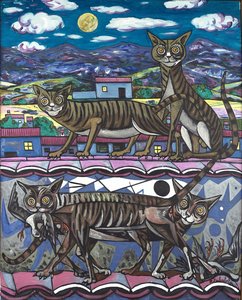
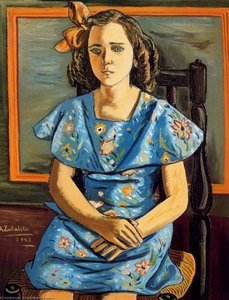
Zabaleta's oeuvre is dominated by depictions of women – often portrayed as strong, resilient figures embodying the spirit of rural life. These aren’t idealized representations; they are rendered with a frankness that captures both their beauty and their burdens. Self-portraits constitute another significant portion of his output, offering intimate glimpses into the artist's psyche. These self-representations are rarely flattering, frequently revealing a sense of weariness or introspection – suggesting an artist grappling with his own mortality and the limitations of his creative endeavors. Beyond these central themes, Zabaleta’s paintings often feature evocative landscapes imbued with symbolic meaning. His use of color is particularly noteworthy; he employs vibrant hues—particularly reds, yellows, and blues—to convey a range of emotions, from joy and vitality to sorrow and despair. The incorporation of animals – frequently cats, as seen in his arresting “Night Cat” – adds another layer of symbolism, suggesting themes of instinct, mystery, and the interconnectedness of nature and humanity.Key Works and Notable Paintings
Several paintings stand out as particularly representative of Zabaleta’s artistic vision. "Hunters," painted in 1945, exemplifies his expressive use of color and dynamic composition, capturing a sense of primal energy and the raw beauty of the Spanish countryside. “Night Cat,” created in 1956, showcases his foray into surrealism, blending realistic depictions of cats with fantastical landscapes—a testament to his willingness to experiment with unconventional imagery. His work also includes numerous portraits, many depicting local women, each imbued with a quiet dignity and an underlying sense of melancholy. The “Old Man and the Girl” (1953), showcased on Facebook, is another poignant example of his ability to capture human emotion through simple, direct forms. These works, alongside others held in collections like those at ArtsDot, provide a valuable window into the artist’s unique perspective.Legacy and Historical Significance
Despite his relatively short career and lack of widespread recognition during his lifetime, Rafael Zabaleta Fuentes deserves to be considered a significant figure in Spanish art history. His work represents a powerful expression of the human experience—a testament to the resilience of the human spirit amidst hardship and uncertainty. His distinctive style, characterized by its raw emotion, symbolic depth, and integration of folk art traditions, distinguishes him from many of his contemporaries. Ongoing research, as evidenced by documentation on platforms like WikiArt.org and Invaluable.com, continues to shed light on his artistic output and its growing value within the art market. Zabaleta’s legacy lies not in grand museums or widespread acclaim, but rather in the quiet power of his paintings—works that invite viewers to contemplate the complexities of life, love, and loss through a uniquely Spanish lens.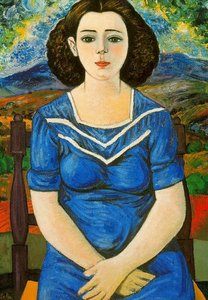
rafael zabaleta fuentes
1907 - 1960 , Spain
Quick Facts
- Artistic Movement Or Style: Expressionism, Cubism
- Date Of Birth: 1907, Quesada, Spain
- Date Of Death: 1960, Quesada, Spain
- Full Name: Rafael Zabaleta Fuentes
- Nationality: Spanish
- Notable Artworks:
- Night Cat
- Hunters
- Place Of Birth: Quesada, Spain
Related Articles
Verdant Visions: Exploring the Symbolism & Aesthetic Impact of Green in Art History
Explore the rich history & symbolism of green in art! Discover iconic paintings, techniques, and how to bring verdant harmony into your home with ArtsDot's expert guide.

Crimson Threads of Narrative: Exploring Symbolism & Representation in Artworks Featuring the Red Dress
Explore the rich symbolism of the red dress in art history! From ancient power displays to iconic portraits like Cézanne’s 'Madame Cezanne', discover the cultural and artistic significance behind this captivating color. Expert analysis & insights.

Emerald Visions: Top 10 Paintings Dominated by Cadmium Green |
Explore 10 iconic paintings where cadmium green reigns supreme! From Monet to Van Gogh, discover the stories behind these masterpieces & the power of color. Find museum-quality art reproductions and elevate your home decor on .
Chrome Green Masterpieces: 10 Famous Paintings & Their Alluring Hues |
Explore 10 famous paintings where 'Chrome Green' reigns supreme! Discover Monet, Manet & Van Gogh’s masterpieces. Learn the stories behind these iconic artworks and find museum-quality art reproductions for your home at .
Seafoam & Masterpieces: 10 Paintings Dominated by Medium Sea Green | ArtsDot
Dive into serenity with 10 famous paintings bathed in calming medium sea green. Explore Impressionist masterpieces by Monet, Degas & Renoir. Find museum-quality art reproductions and elevate your home decor at ArtsDot.com.